 中文服务
中文服务







 6 Clinics Across London
 600,000 Treatments
 Free Consultation
 Award Winning Treatments

Weight loss injections have helped many people achieve significant changes in body weight, but they don’t always address everything. After the scales go down, some areas of fat can remain stubborn, and the body may not look as toned or balanced as expected. This often leads to the question: Does CoolSculpting work after weight loss injections? In many cases, yes, but understanding what CoolSculpting can and can’t do is essential.
Why Stubborn Fat Can Remain After Weight Loss
Weight loss injections work by reducing appetite and altering how the body processes food, leading to overall fat loss. However, they don’t control where fat is lost from. Genetics play a large role in fat distribution, which is why areas such as the lower abdomen, flanks or thighs can remain resistant even after significant weight reduction.
In addition, rapid weight loss can sometimes leave small pockets of fat that feel soft or uneven, particularly in areas that previously carried more volume.
How CoolSculpting Works
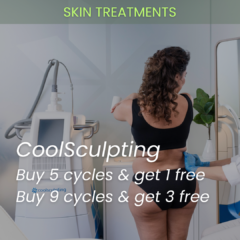
CoolSculpting is a non-surgical fat reduction treatment that uses controlled cooling to target and destroy fat cells beneath the skin. Once treated, these fat cells are gradually eliminated by the body over the following weeks.
Importantly, Fat Freezing is not a weight-loss treatment. It is designed for localised fat pockets that haven’t responded to diet, exercise or medical weight-loss support. This makes it particularly suitable after weight loss injections, when overall fat has reduced, but certain areas still need refinement.
Is CoolSculpting Effective After Injections?
For the right candidate, CoolSculpting can be very effective after weight loss injections. It works best when a person is close to their goal weight but wants to improve contour and proportion. Areas that feel pinchable rather than loose are usually the most responsive.
However, if skin laxity is the main concern after weight loss, CoolSculpting alone may not be enough. In those cases, combining fat reduction with skin-tightening treatments can produce a more balanced result.
Managing Loose Skin After Weight Loss
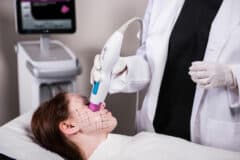
It’s important to distinguish between fat and loose skin. CoolSculpting targets fat cells, not skin elasticity. After weight loss injections, some people notice softness or sagging rather than true fat pockets. Treatments such as radiofrequency or ultrasound-based skin tightening may be recommended alongside CoolSculpting to address this.
A consultation allows a practitioner to assess whether fat reduction, skin tightening, or a combination approach is most appropriate.
Timing Matters
Most practitioners recommend waiting until your weight has stabilised before undergoing CoolSculpting. This ensures results are predictable and long-lasting. Treating too early, while the weight is still changing, can make outcomes harder to assess.
Once weight has plateaued, CoolSculpting can be used strategically to sculpt and refine specific areas that remain resistant.
Refining Results After Weight Loss
So, does CoolSculpting work after weight loss injections? Yes, when used correctly, it can be an excellent finishing treatment to target stubborn fat pockets and enhance body shape. It’s most effective as part of a personalised plan that considers fat distribution, skin quality and long-term goals.


 Back to All Treatments
 In Clinic Consultation
 Telephone Consultation