 中文服务
中文服务







 6 Clinics Across London
 600,000 Treatments
 Free Consultation
 Award Winning Treatments

When it comes to beauty treatments, laser hair removal is widely recognised as one of the most efficient methods for achieving smoother, hair-free skin. Many of us understand the basic process: lasers target hair follicles with light energy, heating them up and damaging them to inhibit future growth. However, not everyone realises the subtle and complex interplay that hormones, especially oestrogen, can have on the effectiveness and results of laser hair removal. Let’s dive deeper into the question that many ask, does oestrogen affect laser hair removal?
Understanding How Laser Hair Removal Works
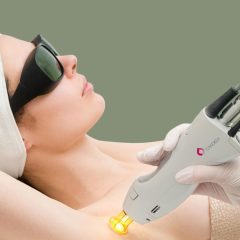
Before examining how hormones come into play, it’s helpful to understand the mechanism of laser hair removal itself. The procedure works by directing concentrated light into hair follicles, which absorb the light through the pigment (melanin) in the hair. This light transforms into heat, damaging the follicle and thereby preventing or slowing future hair growth. For the best results, the procedure often needs to be repeated across multiple sessions, targeting hairs in different growth stages to achieve the smooth, long-lasting effect many seek.
Laser hair removal is most effective on hair in the anagen, or active growth phase, where the follicle is attached to the root, allowing the laser’s energy to effectively reach and damage it. The treatment is often touted as semi-permanent because while it significantly reduces hair growth, it may not completely stop all hair from returning, especially in hormone-sensitive areas.
The Role of Hormones in Hair Growth
Our bodies produce a variety of hormones, which act as messengers in countless bodily processes, from regulating metabolism to controlling hair growth. Oestrogen, the primary female sex hormone, plays a significant role in managing the hair growth cycle. During stages of life with higher oestrogen levels—such as pregnancy—hair tends to grow thicker and longer, while lower oestrogen levels, such as during menopause, can lead to hair thinning.
In particular, hormonal fluctuations can increase hair growth in areas that might be traditionally male-associated, such as the face, chin, or neck. This increased hair growth can make laser hair removal less predictable, as hormonal changes affect the hair’s growth cycle, sometimes making hair more resilient to treatment.
How Oestrogen and Other Hormones Can Affect Laser Hair Removal
Oestrogen, along with androgens like testosterone, influences hair growth cycles and the density of hair in various areas. These hormones, however, fluctuate across the month for many individuals and change more significantly during events such as pregnancy, menopause, or hormonal treatments.
Since laser hair removal targets the hair follicle in its active growth phase, hormonal changes affecting the duration or intensity of these phases can alter the treatment’s effectiveness. For example:
- Higher Oestrogen Levels: Elevated oestrogen can lead to hair growth becoming softer and finer, which might make it less responsive to the laser’s heat energy. This could potentially result in needing more sessions or in slower progress toward lasting hair reduction.
- Lower Oestrogen or Increased Androgens: Lower oestrogen levels, such as those common in menopause or due to hormonal conditions, can prompt an increase in thicker, like darker facial hair. This can create new hair in previously treated areas or in hormone-sensitive regions, potentially affecting the overall outcome.
Special Considerations for Those with Hormonal Imbalances
For people with specific hormonal conditions, such as Polycystic Ovary Syndrome (PCOS), laser hair removal can be particularly challenging if the clinic they turn to has luck of experience. PCOS often leads to an excess of androgen hormones, which can cause thicker and more frequent hair growth. Individuals with hormone-related conditions may find that laser hair removal PCOS treatments need more frequent sessions to maintain results. Additionally, pregnancy or certain contraceptives can alter oestrogen levels, impacting how hair responds to laser treatment during or after these hormonal shifts.
Best Practices for Effective Laser Hair Removal When Hormones are a Factor
If you’re considering laser hair removal and have known hormonal imbalances, or if you’re going through a stage of life that involves hormonal changes, it’s best to communicate openly with our practitioners. Our certified professionals can adjust the treatment plan based on your unique hormonal profile, and in some cases, combining laser with hormonal management might optimise results. Additionally, some might suggest more frequent follow-up sessions for those with hormone-related hair growth patterns.
The Bottom Line
Ultimately, does oestrogen affect laser hair removal? Yes, it does, especially in cases where hormone levels are in flux. Oestrogen and other hormones do affect laser hair removal, particularly in hormonally sensitive areas. While laser hair removal remains an effective solution for many, those with hormonal fluctuations or imbalances might require a more tailored approach and may see varying degrees of permanence in their results.
If you’re considering laser hair removal, being aware of your hormonal health can empower you to make the best decisions for a smoother, hassle-free result. Working closely with a trusted professionals in our laser hair removal London clinics will ensure that your treatment plan aligns with your unique body, maximising the chances of getting the smooth skin you’ve been looking for.






 Back to All Treatments
 In Clinic Consultation
 Telephone Consultation