 中文服务
中文服务







 6 Clinics Across London
 600,000 Treatments
 Free Consultation
 Award Winning Treatments

Laser hair removal is a popular, long-lasting method for reducing unwanted hair, particularly for areas like the upper lip, where many people seek a more permanent solution to unwanted hair. However, the question Does upper lip hair grow back after laser? is a common concern. In this article, we will explore how laser hair removal London treatment works, why some hair may regrow, and what can be done to achieve the best results.
How Laser Hair Removal Works
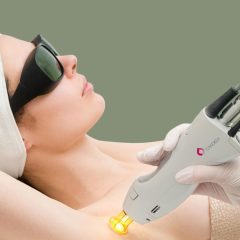
Laser hair removal targets the melanin (pigment) in hair follicles. A concentrated beam of light is directed at the skin, which is absorbed by the pigment in the hair. This process damages the hair follicle, hindering its ability to regrow hair. While this damage is effective, it is not always permanent. The success of the procedure depends on several factors, including the type of hair, skin tone, hormonal influences, and the individual’s unique hair growth cycle.
Laser hair removal works best on individuals with light skin and dark hair, as the contrast between skin and hair allows the laser to better target the melanin in the hair follicles. On the other hand, people with lighter hair or darker skin might not experience the same level of effectiveness, as the laser may struggle to differentiate between the pigment in the hair and the surrounding skin.
Does Hair Grow Back After Laser?
While laser hair removal can significantly reduce hair growth, it is not necessarily permanent. Many people experience what is known as “hair reduction” rather than complete removal. In most cases, after a series of treatments, hair growth on the upper lip and other areas is substantially diminished. However, there are instances where some hair may grow back.
The regrowth is typically finer, lighter, and sparser than before, which many individuals find more manageable. This is because the laser weakens the hair follicles, making it harder for them to produce thick, coarse hair. The hair that does grow back is usually less noticeable.
For some, this regrowth may occur after several months or even years of being hair-free. Hormonal factors, such as changes in estrogen or androgen levels, can influence whether the hair grows back. Conditions like polycystic ovary syndrome (PCOS) or pregnancy, which cause fluctuations in hormone levels, may lead to increased hair regrowth even after laser treatment, you can read more on our recent blog about this topic Do I have PCOS or am I just hairy?
How to Minimise Hair Regrowth
To minimise the chances of hair growing back after laser hair removal, it is important to complete the recommended number of treatment sessions. Most people require anywhere from six to eight sessions for optimal results. These sessions are usually spaced several weeks apart to target the hair at different stages of its growth cycle. Hair grows in phases—active growth, resting, and shedding—and laser hair removal is most effective during the active growth phase.
It is also worth considering maintenance sessions. Even after completing the full course of laser treatments, many people opt for occasional touch-up sessions to maintain smooth, hair-free skin. These maintenance sessions are typically required every six to twelve months, depending on how quickly or slowly the hair grows back.
Additionally, avoiding exposure to the sun before and after treatments can enhance the results. Sun exposure can make the skin more sensitive to the laser, increasing the risk of burns or skin damage, and can also interfere with the laser’s ability to effectively target hair follicles.
Alternatives and What to Expect
If some upper lip hair does grow back after laser treatment, there are alternative methods to manage it, such as threading, waxing, or depilatory creams. However, these are temporary solutions that may irritate sensitive skin over time. Many find laser hair removal to be more convenient and cost-effective in the long run, as it reduces the need for frequent hair removal sessions.
When considering laser hair removal, it is crucial to manage expectations. While it offers long-lasting results, it may not completely eliminate hair forever. That said, for many people, the reduction in hair growth is significant enough to make the treatment worthwhile.
In Few Words
To address the concern, does upper lip hair grow back after a laser? While upper lip hair can grow back after laser hair removal, the regrowth is usually minimal and much finer. Laser treatments can provide a long-term solution for reducing unwanted hair, but multiple sessions are required for the best results. Maintenance sessions may also be necessary to ensure the area remains mostly hair-free. By understanding how the procedure works and setting realistic expectations, you can enjoy smoother, more hair-free skin for the long term.








 Back to All Treatments
 In Clinic Consultation
 Telephone Consultation