 中文服务
中文服务







 6 Clinics Across London
 600,000 Treatments
 Free Consultation
 Award Winning Treatments
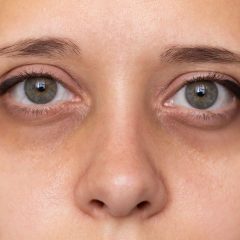
Thread veins are a common problem for many people. They affect both men and women equally and can be upsetting as they give a reddened, uneven appearance to the skin and can look unattractive. Often appearing across the nose and cheeks they are due to a combination of factors which include hormonal changes, environmental exposure (sun and wind) and also the ageing process. As veins loose elasticity they show up through the skin more easily which is why they are more apparent…they’re not “broken” as some people assume them to be but simply enlarged and so more visible.
Some families have a predilection to facial thread veins; if you look at your parents and find that they’re suffering from them, then it is sadly more likely that you will too. The good news however is that they can be very effectively treated.
How to treat facial thread veins
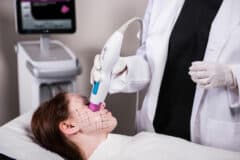
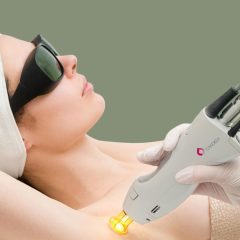
Laser treatment for facial thread veins is an extremely popular method of dealing with this annoying blemish. Because laser technology is so advanced, the treatment is very reliable; the laser light is sent directly to affected areas and does not reach surrounding tissues at all. The light destroys the areas of redness by disabling the veins and rendering them unable to carry blood…meaning that they no longer show up.
Another method of treating thread veins is by use of electrolysis. This involves an extremely fine probe being inserted into the affected capillary which is then treated with a very small electrical charge…effectively destroying the blood vessel.
Whilst make up can go some way towards improving the appearance of facial thread veins, it cannot completely cover them up and often the best course of action is complete removal.
Laser therapy and electrolysis are both simple and easy treatments; they don’t require any down-time and won’t hurt excessively either. To help avoid further thread veins in the future, always wear a good quality sunscreen and avoid extreme temperatures.



 Back to All Treatments
 In Clinic Consultation
 Telephone Consultation