 中文服务
中文服务







 6 Clinics Across London
 600,000 Treatments
 Free Consultation
 Award Winning Treatments

Menopause brings many changes to the body, and for some women, unwanted hair growth becomes one of them. Increased facial hair, coarser chin hairs or darker upper lip hair can appear due to hormonal shifts, often at a time when skin also becomes more sensitive or reactive. This understandably leads to the question: Is laser hair removal safe during menopause?
In most cases, yes, laser hair removal is safe during menopause when performed by experienced practitioners using appropriate settings and medical-grade technology.
Why Hair Growth Changes During Menopause
During menopause, oestrogen levels decline, while androgen levels may become relatively more dominant. This hormonal shift can stimulate thicker, darker hair growth, particularly on the chin, jawline and neck.
At the same time, skin can become thinner, drier and more sensitive. These changes mean that treatment must be carefully tailored, but they do not make laser hair removal unsafe.
How Laser Hair Removal Works
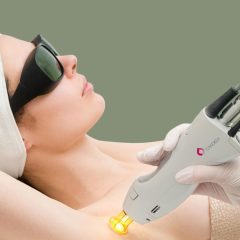
Laser hair removal targets the pigment in the hair follicle using controlled light energy. The energy heats and damages the follicle, reducing future growth. The surrounding skin is protected through cooling systems and carefully selected settings.
Because the laser targets pigment rather than hormones, menopause itself does not interfere with how the treatment works. However, hormonal fluctuations can sometimes mean maintenance sessions are needed over time.
Is the Skin More Sensitive During Menopause?
Menopausal skin can feel drier or more delicate, but this doesn’t prevent treatment. It simply requires proper assessment and adjustment of laser settings. A thorough consultation with our practitioners will identify any medications, hormone replacement therapy (HRT) or skin sensitivities that may influence the approach.
When performed correctly, most menopausal clients tolerate laser hair removal very well.
Will It Work on Hormonal Hair?
Hormonal hair can be more persistent, particularly on the face. While laser hair removal London treatments significantly reduce growth, maintenance sessions may be needed to manage ongoing hormonal stimulation. The key is setting realistic expectations and understanding that results are reduction-based rather than an absolute guarantee of permanent removal.
For many women, even a substantial reduction in coarse facial hair makes a meaningful difference to confidence and daily routine.
When Extra Caution Is Needed
If the skin is extremely thin, recently sun-exposed or affected by certain medical conditions, your practitioner may advise delaying treatment. The most important factor is choosing a clinic that carries out a proper medical consultation before beginning.
Managing Unwanted Hair With Confidence
So, is laser hair removal safe during menopause? Yes, with appropriate assessment and experienced practitioners, it remains a safe and effective solution for unwanted hormonal hair growth. While maintenance may occasionally be required, many women find it far more convenient and comfortable than constant shaving or waxing.





 Back to All Treatments
 In Clinic Consultation
 Telephone Consultation