 中文服务
中文服务







 6 Clinics Across London
 600,000 Treatments
 Free Consultation
 Award Winning Treatments
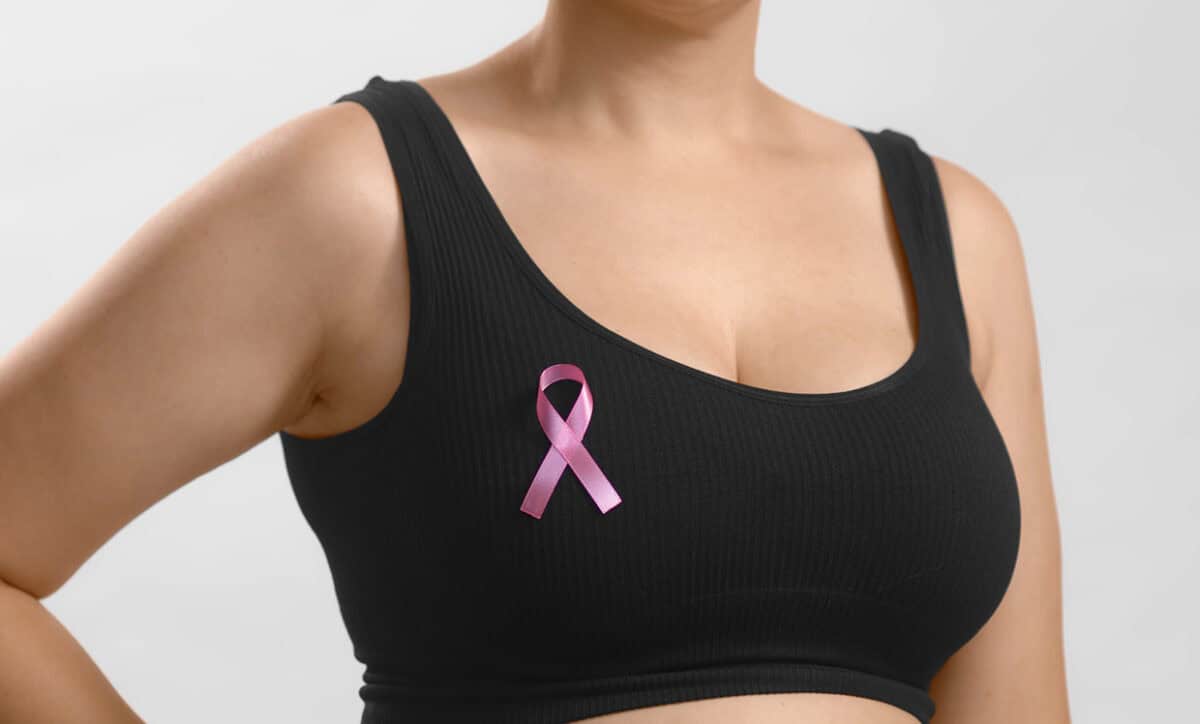
October is Breast Cancer Awareness Month, a time dedicated to raising awareness about breast cancer and supporting those who have been affected. For individuals who have undergone breast cancer treatment, particularly those who have had to endure chemotherapy or hormonal therapy, the side effects can often include unwanted hair growth in unexpected areas. This has led many to consider laser hair removal as a potential solution. But is laser hair removal safe for breast cancer survivors, and what should you know before opting for this treatment?
What is Laser Hair Removal?
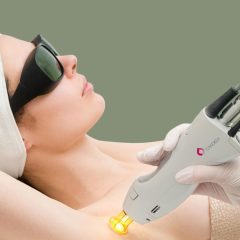
Laser hair removal is a popular cosmetic procedure that targets hair follicles using concentrated light to inhibit future hair growth. It has become a go-to solution for people looking for long-term hair reduction, offering an alternative to regular shaving, waxing, or depilatory creams. The treatment is non-invasive, quick, and over time, can provide a near-permanent reduction in unwanted hair.
The Connection Between Breast Cancer and Hair Growth
After undergoing breast cancer treatments, many survivors experience changes in their hormone levels. Chemotherapy can sometimes induce hair growth in places such as the face, neck, or chest, which can cause distress for some individuals. This is especially true if you are also taking medications that affect hormone production, such as tamoxifen or aromatase inhibitors.
These drugs can lead to unwanted hair growth due to changes in hormone balance, particularly with increased androgen levels. Hair removal options like waxing or shaving may be ineffective or cause irritation. Therefore, it’s understandable that laser hair removal becomes an attractive option for breast cancer survivors who want to manage unwanted hair growth.
Is Laser Hair Removal Safe for Breast Cancer Survivors?
The good news is that laser hair removal London treatment is generally considered safe for breast cancer survivors. However, there are certain considerations to keep in mind, and it’s always essential to consult with your healthcare provider before undergoing any aesthetic treatment.
- No Evidence of Cancer Risk
Laser hair removal works by targeting the pigment in hair follicles and does not penetrate deep enough to affect internal organs, tissues, or cancerous cells. There is no scientific evidence that suggests laser hair removal increases the risk of developing or recurring cancer. Moreover, the lasers used in hair removal do not emit harmful radiation; they use non-ionising radiation, which is not strong enough to alter the DNA in cells, which could potentially lead to cancer development. - Avoiding Treatment on or Near Active Treatment Areas
While laser hair removal is generally safe, individuals who have undergone breast cancer treatment should avoid laser treatments on or around areas that have been actively treated with radiation therapy. The skin in these regions can be more sensitive or prone to damage, and undergoing laser hair removal in these areas could exacerbate skin issues. - Waiting After Treatment
It is often recommended to wait for a period after completing breast cancer treatments, especially if you’ve had chemotherapy or radiation. Your skin might still be in a fragile state post-treatment, and the laser could cause irritation. Many specialists suggest waiting for at least six months to a year before undergoing laser hair removal to ensure your body has fully recovered . - Safe for Hormone Therapy Users
Women who are taking hormonal therapies may experience unwanted hair growth, and laser hair removal can be a viable solution. Since the treatment focuses on the hair follicles and not the skin’s surface or internal tissues, it is generally safe to undergo laser treatments while on these medications. However, it is crucial to have a consultation with both your oncologist and aesthetic practitioner to ensure that this treatment aligns with your current health status.
Why Laser Hair Removal is a Potential Choice
There are several reasons why laser hair removal can be a beneficial choice for breast cancer survivors looking for a long-term solution to unwanted hair growth:
- Long-Term Hair Reduction
Laser hair removal offers long-lasting results compared to temporary methods like shaving and waxing. With just a few sessions, many people find a significant reduction in hair growth, which can enhance confidence and save time. - Minimally Invasive and Gentle on Skin
Laser hair removal is minimally invasive and doesn’t require any surgical intervention. For breast cancer survivors who may already have sensitive or compromised skin due to treatment, this non-invasive option can offer a less irritating solution to managing hair growth compared to waxing or plucking. - Boosting Self-Confidence
Breast cancer treatment can be a physically and emotionally exhausting journey, and anything that helps you feel more confident in your appearance is worth considering. Laser hair removal can contribute to a sense of normalcy and improve your self-esteem after the rigours of cancer treatment.
Final Thoughts
While laser hair removal is generally safe for breast cancer survivors, it’s crucial to consult with your healthcare provider before making a decision. By ensuring that the treatment aligns with your post-cancer care plan, you can safely enjoy the benefits of smoother, hair-free skin. Ultimately, for many breast cancer survivors, laser hair removal provides a positive, long-term solution for managing unwanted hair growth while helping to restore confidence and comfort in their own skin.
References:








 Back to All Treatments
 In Clinic Consultation
 Telephone Consultation