

Is Laser Hair Removal Safe in Summer? - London Premier Laser & Skin Clinic Book Free Consultation
Location Icon 6 Clinics Across London Users Icon 600,000 Treatments Phone Icon Free Consultation Awards Icon Award Winning Treatments

Is Laser Hair Removal Safe in Summer?

By Mary Basiadima, 7 May 2024

Is Laser Hair Removal Safe in Summer?

A Comprehensive Guide

Navigating the myriad of skincare and beauty treatments available can often feel like decoding a complex puzzle. One question that frequently arises, especially as the mercury rises, is whether laser hair removal is safe to undertake during the summer months. With the allure of sun-drenched days and less clothing, it’s a crucial topic to explore.

Understanding Laser Hair Removal

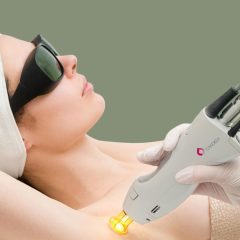
Laser hair removal is a popular cosmetic procedure that targets hair follicles with laser energy to reduce hair growth. The treatment is praised for its efficiency in providing a long-term solution compared to traditional methods like shaving, waxing, or epilating. It works best on individuals with a contrast between their skin tone and hair colour, making the laser’s job of targeting the melanin in the hair follicle easier.

Concerns About Summer Sessions

Increased Sun Exposure

The primary concern with undergoing laser hair removal in summer is the increased exposure to UV rays. Before treatment, laser hair removal London protocols prohibit treatment on tanned skin, and post-treatment, the skin is more sensitive, and sun exposure can lead to adverse effects such as sunburn or hyperpigmentation. This is particularly risky during summer when spending time outdoors is more frequent.

Skin Sensitivity

After a laser treatment, the skin can be tender and more susceptible to irritation. Summer activities, including swimming in chlorinated pools or saltwater, can exacerbate skin sensitivity and potentially cause discomfort or longer recovery periods.

How to Safely Proceed with Treatment in Summer

Timing Your Sessions

If you are considering laser hair removal, timing your sessions correctly can mitigate risks. Ideally, begin your treatments in the cooler months to complete the process by summer. However, if starting in summer, ensure you have ample time between sessions to allow your skin to heal fully.

Sun Protection Measures

Sun protection is paramount if you proceed with laser hair removal during summer. Use a broad-spectrum SPF 30 or higher sunscreen diligently, reapplying every two hours or immediately after swimming or sweating. Wearing protective clothing and seeking shade during peak sun hours (10 a.m. to 4 p.m.) can also help protect your treated skin.

Choosing the Right Clinic and Practitioner

Selecting a reputable clinic like Premier Laser and a qualified practitioner is critical for safe laser hair removal. Experienced professionals can adjust the treatment settings according to your skin’s condition and the season, reducing the risk of side effects. They can also provide personalised advice on caring for your skin post-treatment during the summer months.

Aftercare for Summer Treatments

Proper aftercare following laser hair removal is essential, especially in summer. Keep the treated area clean and dry, and avoid heat treatments such as saunas and hot showers for at least 48 hours. Applying a soothing gel like aloe vera can help calm any redness or swelling.

The Verdict: Is It Safe?

Yes, laser hair removal can be safe in summer, provided you take the necessary precautions and adhere to the advice of our skincare specialist. While there are additional considerations to keep in mind due to the season, with careful planning and protection, you can enjoy the benefits of laser hair removal without compromising your skin’s health.

Laser hair removal offers a promising solution to the perennial challenge of unwanted hair, promising smooth, carefree skin. While summer does pose additional risks for those undergoing this treatment, with the right precautions, you can safely navigate these concerns and step confidently into the sun. Always consult with our professionals and consider your skin’s needs and the timing of your treatments to ensure the best results.

Frequently Asked Questions

Is it okay to get laser hair removal during the summer?

Yes, it’s perfectly okay to get laser hair removal during the summer. However, extra precautions are required, such as avoiding prolonged sun exposure or sunbeds and diligently using sunscreen to protect the treated areas.

Can you go in the sun after laser hair removal?

It’s advisable to avoid direct sun exposure immediately after undergoing laser hair removal. The skin is more sensitive, and sunlight can increase the risk of irritation or pigmentation issues. If you must be outdoors, use a broad-spectrum sunscreen with an SPF of 30 or higher and cover the treated area with clothing.

Is it better to get laser in summer or winter?

It’s generally better to undergo laser hair removal treatments in the winter. During winter, there’s less likelihood of sun exposure, which can make the healing process smoother and reduce the risk of side effects such as sunburn or discolouration.

Which season is the best time for laser hair removal?

Winter is considered the best season for starting laser hair removal treatments. This timing allows the skin to be less exposed to the sun naturally, which is beneficial both for healing and for avoiding any complications related to UV exposure.

When can you not get laser hair removal?

Laser hair removal is not recommended if you currently have a skin infection, severe acne, or recently tanned skin. Additionally, it’s important to postpone treatment if you are taking medications that increase photosensitivity.

At what age is laser hair removal most effective?

Laser hair removal can be most effective once hormonal levels stabilise, typically from 18 onward. The effectiveness largely depends on the colour and thickness of the hair, which are influenced by hormonal changes. Adults in their twenties and thirties often see the best results due to more stable hormone levels compared to teenagers.

Popular Categories

Skin Treatments

Special Offers

DR Skincare

Related Articles

Laser Hair Removal in London: The Solution for Shaving Less and Fewer Ingrown Hairs

Laser Hair Removal in London: The Solution for Shaving Less and Fewer Ingrown Hairs

Laser Hair Removal in London: The Smooth Skin Solution for Less Shaving and Fewer Ingrown Hairs If you are tired of shaving, waxing, ingrown hairs or last-minute hair removal before holidays and events, laser hair removal can offer a longer-term solution for smoother, lower-maintenance skin. At Premier Laser & Skin Clinic, laser hair removal is…

Emsculpt Neo + Exilis in London: The Magic of Non-Surgical Body Contouring

Emsculpt Neo + Exilis in London: The Magic of Non-Surgical Body Contouring

When patients think about body contouring, they often focus on just one concern: reducing stubborn fat. However, achieving a sculpted, athletic-looking body involves much more than fat reduction alone. Muscle definition, skin firmness, and body proportions all play an important role in creating visible and natural-looking results. This is why many aesthetic experts now combine…

CoolSculpting vs CoolSculpting Elite: What’s the Difference?

CoolSculpting vs CoolSculpting Elite: What’s the Difference?

If you’re considering non-surgical fat freezing, you’ve probably come across both CoolSculpting and CoolSculpting Elite. While they use the same core science, there are some important differences that can affect your results, treatment time, and overall experience. At London Premier Laser, we offer both treatments and help clients choose the most suitable option based on…

Hyperpigmentation: Causes, Types and the Most Effective Treatments for Clearer, Even-Toned Ski

Hyperpigmentation: Causes, Types and the Most Effective Treatments for Clearer, Even-Toned Ski

Quick Answer: What Is Hyperpigmentation? Hyperpigmentation is a common skin condition that causes patches of skin to appear darker than the surrounding area. It occurs when the skin produces excess melanin, the pigment responsible for skin colour. Hyperpigmentation can appear as: Brown spots Sun spots Age spots Melasma Acne marks Dark patches after skin injury…

Template: single.php
0