 中文服务
中文服务







 6 Clinics Across London
 600,000 Treatments
 Free Consultation
 Award Winning Treatments
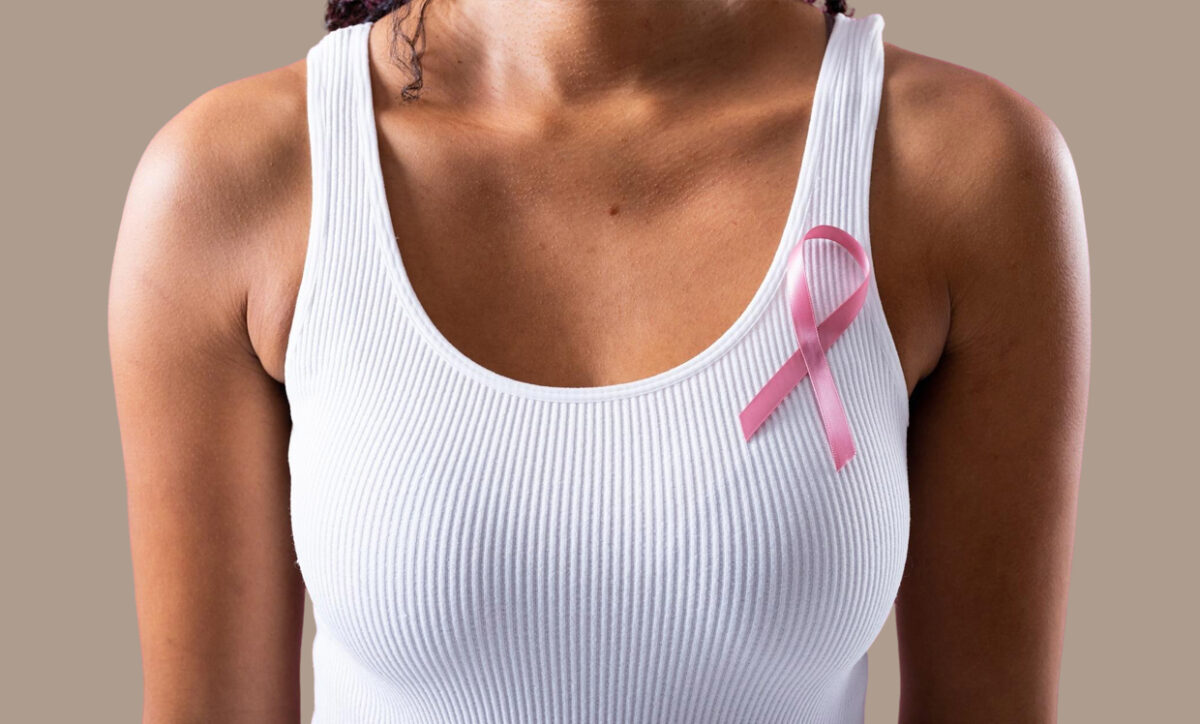
Radiotherapy tattoos are small but deeply symbolic. During breast cancer treatment, these tiny ink dots guide radiotherapy sessions, ensuring beams are delivered with precision each time. While they serve an essential purpose, many women find them emotionally difficult to live with once their treatment has ended.
At our Soho Clinic, we understand how personal this is. Throughout October, Breast Cancer Awareness Month, we are offering free laser tattoo removal sessions for anyone who has completed radiotherapy and wishes to remove their treatment marks safely.
Why Radiotherapy Tattoos Are Used
Radiotherapy tattoos are permanent markings placed on the skin, typically on the breast, chest, or underarm area, to ensure alignment during each radiation session. They are usually very small, about the size of a freckle, and made with black or blue ink. Once treatment finishes, the marks are no longer needed, and some patients seek to remove them for emotional or aesthetic reasons (Oncodaily, 2025).
Can These Tattoos Be Safely Removed?
Yes, they can, provided radiotherapy has been completed and the skin has fully healed. Laser removal has been shown to be an effective and safe option for treating these marks.
A randomised controlled trial published in Lasers in Surgery and Medicine (Al-Nakib et al., 2010) compared surgical excision with Q-Switched Nd: YAG laser treatment for removing radiotherapy tattoos. Both achieved excellent clearance, but patients preferred the laser method due to minimal scarring and better cosmetic outcomes. The study concluded that Q-Switched lasers achieved 75–100% clearance of tattoo pigment with few complications.¹
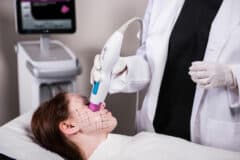
The newer PicoSure laser, which operates in shorter picosecond pulses, can break the ink into finer particles for faster fading and less risk of pigment changes, particularly important for skin that has been exposed to radiotherapy.
Safety Considerations After Radiotherapy
Because skin treated with radiation can remain sensitive for some time, we always require clearance from your oncology or dermatology team before proceeding. Once confirmed, a patch test is carried out to assess how the skin responds.
Laser sessions are quick, often just a few minutes, and most clients need two to five treatments for noticeable fading. The area may appear slightly red or warm afterwards, but this usually settles within a day. Our practitioners use gentle settings suitable for post-treatment skin, ensuring comfort and safety throughout.
More Than Skin Deep
For many breast cancer survivors, removing radiotherapy tattoos is an emotional milestone, the final step in reclaiming their body and moving forward with confidence. During Breast Cancer Awareness Month, our Soho Clinic is proud to support that journey.
Throughout October, we are offering free PicoSure or Q-Switched laser tattoo removal sessions for anyone wishing to erase radiotherapy tattoo marks. This initiative is part of our commitment to helping survivors feel comfortable and confident in their skin again.
Moving Forward with Confidence
Radiotherapy tattoos may be tiny, but their significance is profound. Thanks to medical-grade lasers such as PicoSure and Q-Switched, these marks can be safely and effectively removed under professional supervision. For many, it’s not just about clear skin, it’s about closure, healing, and self-renewal.
If you’ve completed treatment and would like to take part in our free October initiative at our Soho Clinic, our medical team would be honoured to help.
Citation:
- What is radiotherapy tattoo and how it works? (2025) Oncodaily. Available at: https://oncodaily.com/oncolibrary/radiotherapy/radiotherapy-tattoo
- Al-Nakib, K., Al-Abdulrazzaq, A., & El-Zawahry, M. (2010). Comparison between Q-switched Nd: YAG laser and surgical excision in the removal of radiotherapy tattoo marks. Lasers in Surgery and Medicine, 42(3), 275–279. doi:10.1002/lsm 20893




 Back to All Treatments
 In Clinic Consultation
 Telephone Consultation