 中文服务
中文服务







 6 Clinics Across London
 600,000 Treatments
 Free Consultation
 Award Winning Treatments
For those who suffer with them, ingrown hairs can be an uncomfortable, unsightly nightmare. Ingrown hairs occur when a normal hair, growing from any area of the body that’s commonly shaved, such as legs, armpits or the pubic area, curls back around and grows back into the skin.
This produces red spots, which can become infected and sore, and not only are they itchy, they’re unattractive too.
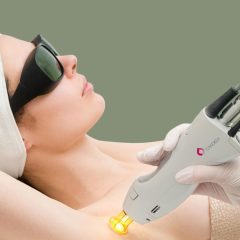
Often common in people with curly, coarse or wiry hair, the cause tends to be an accumulation of dead skin cells blocking the follicle, and corrupting the angle at which hair grows. Shaved hairs are coarser and sharper too, so much more likely to re-enter the skin. As a result, many choose to prevent ingrown hairs long term by using laser hair removal and ditching the razor.
So what can you do if you’re plagued by ingrown hairs? Follow these steps and you’ll never look back.
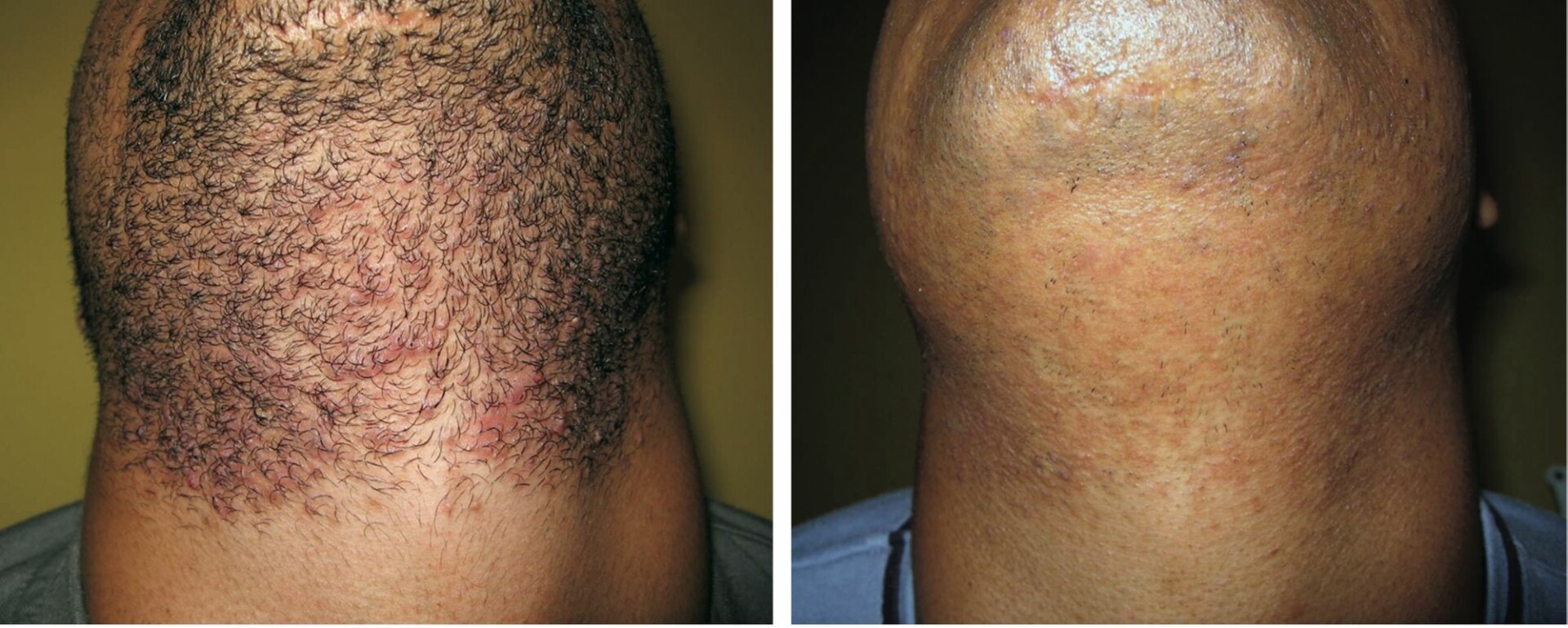
1. Exfoliate, exfoliate, exfoliate!
Because the most common cause of ingrown hairs is a build up of skin particles blocking hair growth, the most effective way of preventing them is to exfoliate the skin properly. Remove those dead skin cells and you’ll tackle the root of the problem quickly.
2. Bring the hairs out with a hot compress
It’s no good preventing ingrown hairs if you’ve got a few causing problems already. To rid yourself of existing ingrown hairs, you need to bring them to the surface of the skin, and the best method is using a hot compress. Use a washcloth and press it against the affected area, and continue for a few minutes. The hair will start to surface, and then you can remove it with tweezers.
3. Be careful with your tweezers
Tweezers are precise and incredibly useful, but there’s a particular method required. Some ingrown hairs already break the surface of the skin, but make sure there’s enough to get hold of, the tweezers are sterilized before you go near broken skin with them, and don’t try to dig for it. Infection is a common problem with ingrown hairs and tweezers can make matters worse when used improperly.
4. Apply some aloe vera
If your skin is already irritated, red and itchy, some aloe vera gel applied twice a day can work wonders. Aloe vera’s properties are particularly good for burns and skin problems, and some even claim that it’s preventative.
5. Medicate it!
Some common medications are also particularly effective. Aspirin contains salicylic acid, which helps to exfoliate the skin, but, of course, it’s no good taking it orally. Crush a few tablets, combine with oil and apply to the areas that are affected. If you do this regularly, it can treat the problem pretty effectively.
On top of this, acne medication such as benzoyl peroxide can alleviate infected areas, as they’re much the same as spots. They’ll take the swelling down and make them much less painful too. Benzoyl peroxide is available as a cream or gel from chemists, but, as the name suggests, it has bleaching properties so be careful of your clothes, and try not to use it too often, as it’s usually very concentrated.
6. And finally…egg membrane?
This one’s a bit of an odd one, but for people really suffering from ingrown hairs, it can’t hurt to try. The inside of an egg shell has a smooth membrane on it that can be peeled off, and not only has it been found to help cuts heal, and bring out blackheads, it can also bring ingrown hairs with it when applied to the skin and left to dry.




 Back to All Treatments
 In Clinic Consultation
 Telephone Consultation