 中文服务
中文服务







 6 Clinics Across London
 600,000 Treatments
 Free Consultation
 Award Winning Treatments
Whilst make up will obviously not deal with the root cause of an acne flare-up, sometimes it can be necessary to cover up existing breakouts, either because you have a special occasion or maybe even just because you feel self-conscious and want to minimise the appearance of any acne on your skin. Whatever the reason, if you are using make up to conceal your acne then make sure you follow these simple steps:
The Right Products
Using the wrong type of make up can cause your acne to worsen, so it’s important that you buy the correct type of products. Make sure you avoid anything oil based as this will irritate your skin further and try and buy hypoallergenic products too. Before purchasing, make sure you test any new product; if your skin is going to react negatively to a product, it will do so in around 60 minutes. To get the right amount of coverage you should invest in concealer, foundation and powder.
Skin Preparation
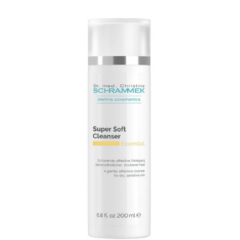
Before you start to apply your newly bought make-up, gently wash your face and neck with a cleansing product and pat dry. If you don’t use one, then now is a good time to start! Not only will it assist in dealing with any acne breakouts but it will also ensure that your skin is ready for the application of make up. If you are using any acne treatment products, apply this after cleansing but before make up and allow time for it to dry completely.
Make Up Application
Concealer
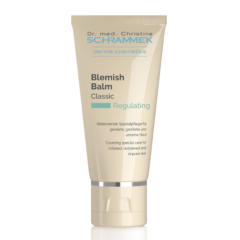
To begin with, dab a small amount of concealer directly onto any blemishes. Ensure you only use a small amount as concealer can look very obvious when dried and if you have too much on your face, it will show. Use a throwaway sponge to blend the concealer into your skin.
Foundation
Once you have finished with the concealer, you can start with the foundation. Natural mineral based products are best as they allow the skin to breathe and these can be easily applied with brushes. However, you might prefer liquid foundation and if so, again use a sponge to blend the foundation into your skin, starting slowly and building up over any areas which need more coverage. Just as with the concealer, it’s important not to overdo your make up and this will draw attention to your face, which isn’t what you want.
Powder
If you have used a liquid based foundation then ensure you apply a light layer of powder using a make up brush to seal the foundation.
Tips
Use Soft Brushes
If using make up brushes then opt for the softest ones you can find; this will prevent unnecessary irritation of your skin.
Apply Makeup Gradually
Start slowly and build up the amount of make up, you should want the make up to appear subtle.
Throw Away Used Sponges
Dispose of any make up sponges you have used; sponges absorb oil from your face and if you were to use them again they would transfer that same oil back onto your face.
End of the Day
Always make sure you wash and cleanse your face before going to bed each night. Your skin needs time to breathe and leaving make up on may cause more acne to develop.








 Back to All Treatments
 In Clinic Consultation
 Telephone Consultation