

What Age Is Best to Get Tear Trough Filler? - London Premier Laser & Skin Clinic Book Free Consultation

⚡️ EXTRA 10% OFF LASER & SKIN. Use code: FLASH10

00  00:00:00

Location Icon 6 Clinics Across London Users Icon 600,000 Treatments Phone Icon Free Consultation Awards Icon Award Winning Treatments

What Age Is Best to Get Tear Trough Filler?

By Mary Basiadima, 18 April 2025

What Age Is Best to Get Tear Trough Filler?

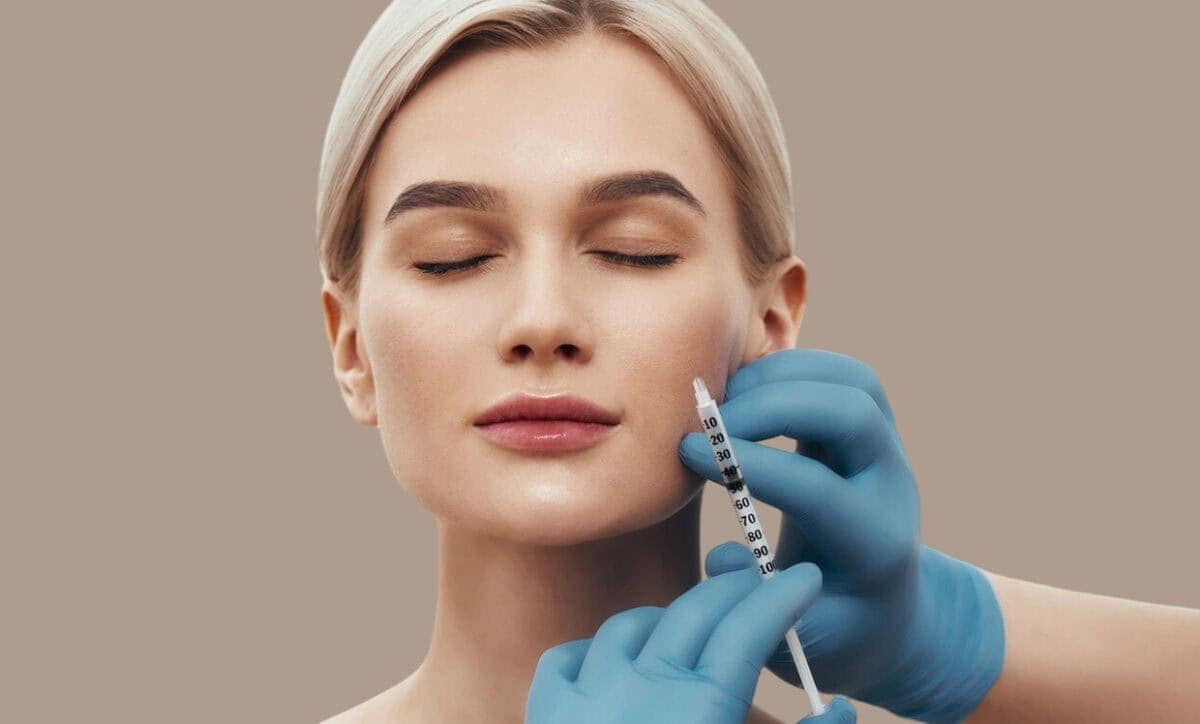
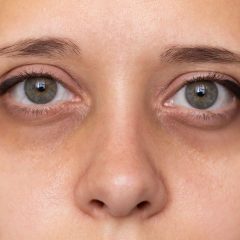
The under-eye area is often one of the first places to show signs of tiredness, ageing, or volume loss. Tear trough fillers have become a popular non-surgical option for addressing dark circles under eye, hollowing, and fine lines, but what age is best to get tear trough filler?

What Is Tear Trough Filler?

Tear trough filler is a treatment that uses hyaluronic acid-based dermal fillers to restore lost volume beneath the eyes. The aim is to smooth the transition between the lower eyelid and the cheek, reducing the appearance of under-eye shadows or hollowness. When done correctly, the result is a fresher, more rested appearance.

Is There a ‘Right’ Age to Start?

There’s no fixed age that’s considered best for tear trough filler. Instead, it depends more on your individual concerns and skin condition than your date of birth.

In your 20s or early 30s, some people may notice natural hollowness under the eyes caused by genetics or facial structure, rather than ageing. Tear trough filler can help soften this and even out the area.

From mid-30s onwards, people often start to see changes due to ageing, such as volume loss, mild sagging, or thinning skin. At this stage, filler can help restore what’s been lost and subtly rejuvenate the area.

So, what age is best to get tear trough filler? It’s whenever you begin to notice volume loss or shadowing that makes you look tired or drawn, whether that’s at 25 or 45. A consultation with an experienced practitioner will help determine if it’s the right time for you.

Things to Consider Before Treatment

Tear trough filler is a delicate treatment and in our clinics is performed by our medical team that hold advanced experience. Factors such as skin thickness, fat pad positioning, and general facial anatomy all play a role in suitability.

It’s also worth noting that tear trough filler may not be ideal for everyone – for example, those with very thin skin or puffiness under the eyes might benefit from alternative treatments instead.

Final Thoughts

If you’re wondering what age is best to get tear trough filler, the answer is: when the time feels right for you. Whether you’re looking to correct natural hollows or address early signs of ageing, the treatment can offer subtle but significant improvement. The key is choosing a skilled practitioner who understands when – and when not – to treat.
 

FAQs

Who is the best candidate for tear trough filler?

The best candidates for tear trough filler are those with hollowing or dark shadows under the eyes caused by volume loss rather than pigmentation. You should be in good health, with realistic expectations, and have relatively good skin quality in the area.

How old do you have to be to get undereye fillers?

Our clinics recommend being at least 18 years old to receive under-eye fillers. However, it’s not just about age – suitability depends more on your anatomy and whether volume loss or shadowing is present.

When should I start under-eye fillers?

You should consider under-eye fillers when you start noticing hollows, tired-looking eyes, or mild volume loss that isn’t improving with skincare alone. For some, this might be in their late 20s or 30s, depending on genetics and lifestyle.


Popular Categories

Skin Treatments

Special Offers

DR Skincare

Related Articles

Emsculpt Neo + Exilis in London: The Magic of Non-Surgical Body Contouring

Emsculpt Neo + Exilis in London: The Magic of Non-Surgical Body Contouring

When patients think about body contouring, they often focus on just one concern: reducing stubborn fat. However, achieving a sculpted, athletic-looking body involves much more than fat reduction alone. Muscle definition, skin firmness, and body proportions all play an important role in creating visible and natural-looking results. This is why many aesthetic experts now combine…

CoolSculpting vs CoolSculpting Elite: What’s the Difference?

CoolSculpting vs CoolSculpting Elite: What’s the Difference?

If you’re considering non-surgical fat freezing, you’ve probably come across both CoolSculpting and CoolSculpting Elite. While they use the same core science, there are some important differences that can affect your results, treatment time, and overall experience. At London Premier Laser, we offer both treatments and help clients choose the most suitable option based on…

Hyperpigmentation: Causes, Types and the Most Effective Treatments for Clearer, Even-Toned Ski

Hyperpigmentation: Causes, Types and the Most Effective Treatments for Clearer, Even-Toned Ski

Quick Answer: What Is Hyperpigmentation? Hyperpigmentation is a common skin condition that causes patches of skin to appear darker than the surrounding area. It occurs when the skin produces excess melanin, the pigment responsible for skin colour. Hyperpigmentation can appear as: Brown spots Sun spots Age spots Melasma Acne marks Dark patches after skin injury…

HIFU vs Ultherapy vs Sofwave vs Thermage: Which Skin Tightening Treatment Is Right for You?

HIFU vs Ultherapy vs Sofwave vs Thermage: Which Skin Tightening Treatment Is Right for You?

HIFU vs Ultherapy vs Sofwave vs Thermage: Comparison Guide Non-surgical skin tightening treatments have become increasingly popular for lifting and firming the skin without surgery or downtime. With options like HIFU, Ultherapy, Sofwave, and Thermage, it’s not always obvious which treatment is the right fit for your skin concerns or goals. While all four work…

Template: single.php
0