 中文服务
中文服务







 6 Clinics Across London
 600,000 Treatments
 Free Consultation
 Award Winning Treatments

Polynucleotide treatments are becoming a popular choice for skin regeneration, offering deep hydration, improved elasticity, and a visible glow without altering facial structure. But like with any injectable, there’s always a chance of a rare side effect — such as a granuloma. So, what is a granuloma after polynucleotides, and should it be a cause for concern?
What Are Polynucleotides?
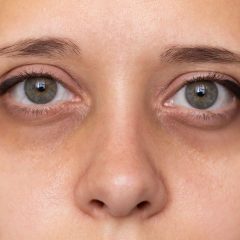
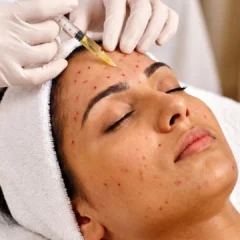
Polynucleotides are chains of DNA fragments, often derived from salmon, used in aesthetic medicine to improve skin texture and support natural repair. When injected into the skin, they stimulate cell renewal, collagen production, and tissue healing — making them a go-to for under-eye rejuvenation, fine lines, and overall skin quality.
What Is a Granuloma?
A granuloma is a small lump or nodule that forms as part of the body’s immune response. It typically occurs when the body detects a substance it cannot easily break down. In aesthetic treatments, granulomas may form around filler particles or other injectables if the immune system sees them as foreign. This is rare, but possible.
How Can a Granuloma Develop After Polynucleotides?
While polynucleotides are biocompatible and usually well tolerated, in very rare cases, the body may mount a localised immune response. This can result in a small, firm lump that may feel slightly tender or persist longer than typical post-treatment swelling. It’s important to note this is not the same as a common post-injection bump, which usually resolves in a few days.
What Does a Granuloma Look or Feel Like?
Granulomas may appear as:
- Small, round lumps beneath the skin
- Mildly red or skin-coloured nodules
- Firm to the touch, often painless
- Persistent beyond a few weeks after treatment
If you notice anything unusual after a polynucleotide treatment — especially a lump that doesn’t go away or grows over time — it’s always best to get it checked by a medical professional.
Is It Dangerous?
In most cases, granulomas are not dangerous and can be treated effectively. They are benign (non-cancerous) and usually don’t spread. The key is identifying and addressing them early to avoid discomfort or visible irregularities.
How Are Granulomas Treated?
Treatment depends on the severity and location, but options may include:
- Massage and monitoring for mild cases that may resolve on their own
- Anti-inflammatory medication or corticosteroid injections to reduce the immune response
- Hyaluronidase (in filler-related granulomas, not typically needed for polynucleotides)
- Referral to a specialist if symptoms persist or worsen
An experienced practitioner will be able to assess whether the lump is a granuloma or simply a temporary swelling from injection trauma.
Can You Prevent Granulomas After Polynucleotides?
You can’t completely eliminate the risk, but you can reduce it by choosing a reputable clinic, ensuring sterile technique, and following all aftercare instructions. If you’re prone to allergic reactions or have autoimmune conditions, disclose this during your consultation so the practitioner can make a personalised decision.
Granulomas after polynucleotides are rare, but they can occur. Understanding the signs — and seeking early advice — ensures peace of mind and proper management. If you’ve been wondering what a granuloma is after polynucleotides, it’s a minor immune response that can be treated easily with the right support.





 Back to All Treatments
 In Clinic Consultation
 Telephone Consultation