 中文服务
中文服务







 6 Clinics Across London
 600,000 Treatments
 Free Consultation
 Award Winning Treatments

With all the buzz around regenerative skincare, it’s fair to ask — is an exosome facial worth it? Unlike traditional facials focused on short-term hydration or exfoliation, exosome facials are designed to support deep skin repair at a cellular level. But what does that mean in practice, and is it suitable for everyone?
What Are Exosomes and How Do They Work?
Exosomes are tiny vesicles naturally produced by cells to support intercellular communication. In medical aesthetics, lab-cultured exosomes (usually plant-based or bioengineered in the UK) are used topically to promote tissue repair and improve skin quality.
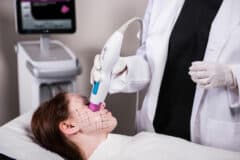
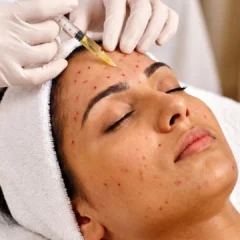
When applied after procedures like microneedling or morpheus8, exosomes act like messengers — encouraging skin cells to regenerate, increase collagen, and restore balance. Treatments are carried out by qualified practitioners using regulated, non-injectable formulas specifically designed for cosmetic use in the UK.
Who Might Benefit From an Exosome Facial?
Exosomes treatment may be recommended for individuals with:
- Skin recovering from advanced treatments (e.g. microneedling, fractional laser)
- Mild to moderate skin sensitivity or redness
- Dull or uneven skin tone
- Visible signs of ageing, such as fine lines or texture loss
As exosomes support the skin’s own natural repair mechanisms, this treatment is often suitable for sensitive skin types and those seeking non-aggressive rejuvenation. It is best offered as part of a clinical protocol, guided by experienced practitioners.
What Are the Benefits?
Clients receiving exosome facials often report:
- Faster post-treatment recovery
- Improved hydration and skin comfort
- Smoother texture and a healthier glow
- Less visible redness or inflammation
- Enhanced results when combined with other treatments
While effects may be subtle after one session, regular use as part of a professional skin programme can lead to noticeably stronger, more resilient skin over time.
Are Exosome Facials Clinically Backed?
Yes — while still a relatively new addition to cosmetic treatments, the science behind exosomes is based on decades of cell communication research. Many exosome formulas used in UK clinics are CE-marked or medically registered for cosmetic application. However, not all products are created equal. For safety and efficacy, it’s essential to choose a reputable clinic that uses clinically tested, UK-compliant exosome solutions.
Are There Any Risks or Side Effects?
Exosome facials are considered low-risk when performed correctly. Since they’re applied topically rather than injected, most people experience no adverse reactions. Mild redness or dryness may occur, especially if the exosomes are applied post-laser or microneedling, but this is usually due to the underlying procedure, not the exosomes themselves.
Always attend a consultation beforehand, where your practitioner can assess suitability and recommend the right approach for your skin type.
How Soon Can You Expect Results?
While every skin responds differently, most people notice faster healing and improved hydration within a few days. As the skin regenerates, results build gradually — smoother texture, more even tone, and a revitalised appearance. For best results, exosome facials are often recommended as part of a course or paired with a treatment plan.
So, Is an Exosome Facial Worth It?
If you’re looking to enhance skin recovery, calm inflammation, or boost your overall skin quality, an exosome facial may be a worthwhile investment. It won’t produce instant dramatic changes, but its regenerative effects can significantly improve skin health over time — particularly when used alongside procedures like dermapen microneedling or laser.
So if you’re still wondering is an exosome facial worth it?, the answer depends on your skin’s needs — but in the right hands, this innovative treatment offers genuine, science-backed benefits with minimal risk.



 Back to All Treatments
 In Clinic Consultation
 Telephone Consultation