

What is Better, Profhilo or Polynucleotides? - London Premier Laser & Skin Clinic Book Free Consultation
Location Icon 6 Clinics Across London Users Icon 600,000 Treatments Phone Icon Free Consultation Awards Icon Award Winning Treatments

What is Better, Profhilo or Polynucleotides?

By Mary Basiadima, 3 March 2025

What is Better, Profhilo or Polynucleotides?

When it comes to non-surgical skin rejuvenation, injectables like Profhilo and polynucleotides are becoming increasingly popular. Both treatments aim to improve skin quality, hydration, and elasticity, but they work in different ways. Choosing between them depends on your specific skin concerns and what kind of results you’re looking for. So here we examine what is better, Profhilo or Polynucleotides?

What is Profhilo?

Profhilo is an injectable skin booster that contains one of the highest concentrations of hyaluronic acid available. Unlike traditional dermal fillers, which add volume and structure, Profhilo spreads evenly under the skin, delivering deep hydration and stimulating collagen and elastin production. The result is smoother, firmer, and plumper skin with a natural radiance.

This treatment is particularly effective for skin laxity, fine lines, and dullness. It’s commonly used on the face, neck, and décolletage, as well as other areas prone to loss of elasticity, such as the hands. The effects are visible quite quickly, usually within a week or two, making it an ideal choice for those looking for a noticeable improvement with minimal downtime.

What are Polynucleotides?

Polynucleotides are a relatively new but highly promising treatment in the world of regenerative aesthetics. Derived from purified Salmon DNA, polynucleotides work by stimulating fibroblasts—the cells responsible for collagen and elastin production. Instead of simply hydrating the skin, they encourage deep tissue repair, improving skin texture, elasticity, and overall resilience.

This treatment is particularly beneficial for those with more advanced signs of ageing, acne scars, or conditions such as rosacea. Unlike Profhilo, which delivers instant hydration, polynucleotides work gradually, with the best results appearing over the course of several weeks to months as the skin regenerates from within.

How Do They Compare?

While both treatments aim to improve skin quality, they do so in different ways. Profhilo is all about hydration and skin tightening, making it perfect for those who want a quick glow and firmer-looking skin. Polynucleotides, on the other hand, focus on cell repair and regeneration, making them a better option for those dealing with damaged or inflamed skin.

Profhilo delivers results quite quickly, with most people noticing an improvement in their skin’s texture and radiance within a few weeks. Polynucleotides take longer to work, but the benefits are deeper and longer-lasting, as they promote actual skin healing rather than just boosting moisture levels.

Which One is Right for You?

The choice between Profhilo and polynucleotides depends on your individual skin concerns. If your main goal is to achieve deep hydration, a fresh glow, and firmer skin, Profhilo is an excellent choice. It’s particularly well-suited to people in their late 20s to 40s who are starting to notice the first signs of ageing.

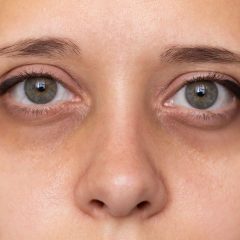
For those looking for more intensive skin repair, improved elasticity, or help with issues like acne scars, fine lines under the eyes, or inflammation, polynucleotides offer a more regenerative approach. They are particularly effective for those with more mature skin or specific concerns that go beyond hydration.

Can You Combine Profhilo and Polynucleotides?

Yes, our practitioners recommend combining both treatments for a comprehensive skin rejuvenation approach. Polynucleotides help to repair and strengthen the skin, while Profhilo provides hydration and glow. Some patients start with polynucleotides to rebuild their skin’s foundation and then follow up with Profhilo for added hydration and firmness.

What is Better, Profhilo or Polynucleotides?

Both Profhilo and polynucleotides are excellent treatments, but they serve different purposes. If you’re looking for hydration, skin tightening, and an overall glow, Profhilo is the better choice. If your skin needs repair, deep regeneration, and collagen stimulation, polynucleotides may be more beneficial.

For the best results, consult with our experienced practitioners who can assess your skin’s condition and recommend the most suitable option. Whether you choose one or combine both, these treatments offer a subtle yet highly effective way to rejuvenate your skin without the need for invasive procedures.

FAQs

What is the Difference Between Polynucleotides and Profhilo?

Polynucleotides and Profhilo are both injectable skin treatments designed to improve skin quality, but they work in very different ways. Profhilo is a hyaluronic acid-based skin booster that deeply hydrates the skin while stimulating collagen and elastin production. It spreads evenly under the skin, giving an overall plumping and firming effect, making it ideal for tackling dullness, fine lines, and skin laxity.

Polynucleotides, on the other hand, are derived from purified salmon DNA and work by stimulating fibroblasts and promoting deep skin regeneration. Instead of just hydrating the skin like Profhilo, polynucleotides repair and rebuild skin at a cellular level, improving elasticity, reducing inflammation, and even helping with scarring and pigmentation.

The key difference lies in their approach: Profhilo provides an instant hydration boost for fresher, firmer skin, while polynucleotides work over time to repair and strengthen the skin from within. Those looking for immediate radiance might prefer Profhilo, while those seeking long-term skin regeneration may benefit more from polynucleotides.

What is Better Than Profhilo?

Profhilo is one of the most well-known skin boosters on the market, but whether something is “better” depends on the results you’re looking for. While Profhilo excels at hydrating, smoothing, and improving skin laxity, other treatments may be more effective for certain concerns.

For deeper skin repair and collagen stimulation, polynucleotides can be a superior option, especially for individuals with thin, fragile, or scarred skin.

For those looking for a more dramatic lifting effect, Morpheus8 or HIFU (High-Intensity Focused Ultrasound) may be preferable, as they work on tightening the skin while stimulating collagen at a deeper level.

Ultimately, the best treatment depends on your skin’s needs. If hydration and glow are the priority, Profhilo remains an excellent choice. If you want more targeted regeneration, firmness, or lifting, other treatments may offer better results.

Do Polynucleotides Really Work?

Yes, polynucleotides have been clinically proven to repair and rejuvenate the skin by stimulating collagen production, increasing elasticity, and improving overall skin health. Unlike traditional skin boosters that simply hydrate, polynucleotides regenerate tissue, reduce inflammation, and restore damaged skin, making them particularly effective for concerns like fine lines, acne scar removal, rosacea, and under-eye rejuvenation.

Since polynucleotides work by stimulating the skin’s natural repair process, results are not immediate. Most people notice gradual improvements over several weeks, with the best results visible after a few months. However, because they stimulate collagen and cell renewal, the effects are longer-lasting compared to many hyaluronic acid-based treatments.

Our aesthetic practitioners are now incorporating polynucleotides into skin rejuvenation protocols because they offer more than just hydration—they actually improve skin structure and function. For those looking for a treatment that provides long-term skin health benefits rather than just a temporary glow, polynucleotides are a highly effective choice.

Popular Categories

Skin Treatments

Special Offers

DR Skincare

Related Articles

Non-Surgical Six-Pack London

Non-Surgical Six-Pack London

Achieving visible abdominal definition can be challenging, even with regular training and a disciplined diet. For many people, stubborn fat and limited muscle engagement prevent the midsection from looking as defined as they would like. This is why interest in non-surgical six-pack London, has grown significantly in recent years. Emsculpt Neo is a non-invasive body…

Exosomes for Crepey Skin

Exosomes for Crepey Skin

Crepey skin can be one of the most frustrating signs of ageing. It often appears thin, finely wrinkled and lacking elasticity, particularly around the neck, lower face, arms and abdomen. Unlike deeper sagging, crepey skin is more about texture and skin quality than excess tissue. This is why regenerative treatments are gaining attention, especially exosomes…

Who Spent $200,000 to Remove Tattoos?

Who Spent $200,000 to Remove Tattoos?

Celebrity tattoo removal stories often make headlines, particularly when large figures are involved. A question that frequently appears online is: Who spent $200,000 to remove tattoos? The celebrity most commonly associated with this figure is Pete Davidson. He has publicly spoken in interviews about undergoing extensive laser tattoo removal and has stated that the process…

Laser Hair Removal for Bodybuilders

Laser Hair Removal for Bodybuilders

For bodybuilders and physique athletes, presentation matters just as much as performance. Muscle definition, symmetry and conditioning are all carefully refined, yet unwanted body hair can obscure definition and make skin look less polished under stage lighting or gym conditions. It’s no surprise that interest in laser hair removal for bodybuilders has grown significantly in…

Template: single.php
0