 中文服务
中文服务







 6 Clinics Across London
 600,000 Treatments
 Free Consultation
 Award Winning Treatments
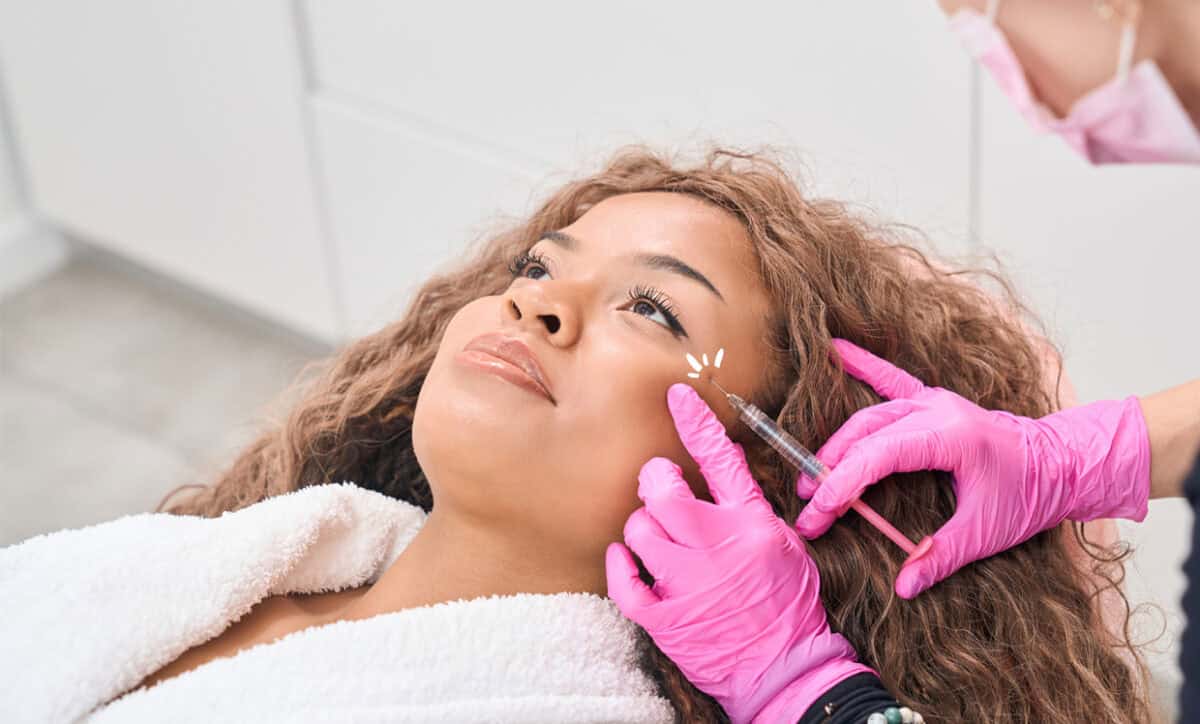
Profhilo has rapidly gained popularity as an advanced skin treatment, praised for its ability to rejuvenate and hydrate the skin. Unlike traditional fillers, Profhilo spreads evenly under the skin, providing a more natural enhancement. However, a common question arises among potential users: what is the best age to start Profhilo treatments?
Understanding Profhilo
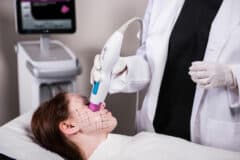
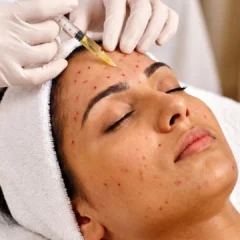
Profhilo is a unique bio-remodelling treatment that utilises high concentrations of hyaluronic acid. Unlike conventional dermal fillers, which are designed to add volume or structure to specific areas, Profhilo works by stimulating the production of collagen and elastin. This results in improved skin texture, firmness, and overall hydration. Profhilo is injected into the superficial layers of the skin, allowing it to disperse and rejuvenate the skin from within.
Early Twenties: Prevention is Better than Cure
While it may seem early, individuals in their early twenties can benefit from Profhilo as a preventative measure. At this age, the skin still maintains its natural collagen and elastin production, but lifestyle factors such as sun exposure, smoking, and pollution can start to take their toll. Introducing Profhilo in the early twenties can help maintain optimal skin health and delay the signs of ageing. However, it is essential to approach this treatment conservatively and seek advice from our practitioners to ensure it is appropriate for your skin needs.
Late Twenties to Early Thirties: Combatting Early Signs of Ageing
As we approach our late twenties and early thirties, the first signs of ageing often become apparent. Fine lines, slight sagging, and loss of elasticity start to appear, primarily due to a gradual decline in collagen production. Profhilo can be particularly beneficial during this period as it helps to restore hydration and improve skin texture. The treatment can effectively combat early signs of ageing, giving the skin a more youthful and radiant appearance.
Mid-Thirties to Early Forties: Addressing More Pronounced Ageing
In the mid-thirties to early forties, the effects of ageing become more noticeable. Fine lines may evolve into deeper wrinkles, and the skin may lose its firmness and elasticity. Profhilo can play a significant role in addressing these more pronounced signs of ageing. By boosting collagen and elastin production, Profhilo helps to restore the skin’s structural integrity, resulting in a smoother, firmer, and more hydrated complexion. Regular treatments during this period can help maintain a youthful appearance and slow down the ageing process.
Late Forties and Beyond: Restoring Skin Vitality
For individuals in their late forties and beyond, Profhilo can be a powerful tool to restore skin vitality and combat advanced signs of ageing. During this stage, the skin undergoes significant changes, including increased dryness, loss of elasticity, and deeper wrinkles. Profhilo’s ability to deeply hydrate and remodel the skin can make a noticeable difference. While it may not completely reverse the ageing process, it can significantly improve skin quality, making it look healthier and more youthful.
Personalised Approach: Consulting a Specialist
Ultimately, the best age to start Profhilo treatments can vary from person to person. Factors such as genetics, lifestyle, and skin type all play a role in determining the ideal time to begin. Consulting with our qualified aesthetic practitioners is crucial. They can assess your skin’s condition, discuss your concerns, and recommend a personalised treatment plan.
There is no one-size-fits-all answer to the best age for Profhilo. Starting in the early twenties can be a proactive approach to maintaining skin health, while those in their thirties and forties can benefit from its rejuvenating effects. Even in later years, Profhilo can provide significant improvements. The key is to seek professional advice and tailor the treatment to your unique needs. Profhilo offers a versatile solution for anyone looking to enhance their skin’s appearance and combat the signs of ageing, regardless of their age.




 Back to All Treatments
 In Clinic Consultation
 Telephone Consultation