 中文服务
中文服务







 6 Clinics Across London
 600,000 Treatments
 Free Consultation
 Award Winning Treatments

If you’ve just had a Green Peel and woken up to a swollen face, you might be wondering if this is normal. The good news? It absolutely is. While it might feel alarming, swelling is just a temporary reaction as your skin goes through its renewal process.
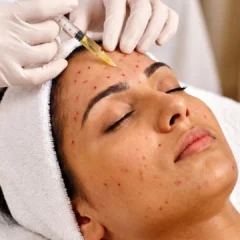
The Herbal Green Peel is a powerful herbal treatment designed to deeply exfoliate, brighten, and refresh the skin. Unlike chemical peels, which use acids to break down dead skin cells, this treatment relies on a blend of natural herbs and minerals to stimulate circulation and speed up cell turnover. It’s an intensive process, and because of this, the skin can sometimes respond with swelling, redness, and a bit of sensitivity.
Why Does Swelling Happen?
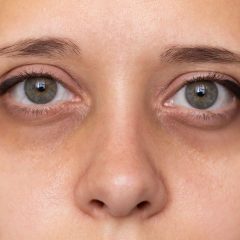
Swelling after a Green Peel is actually a sign that the treatment is working. When the herbal ingredients are massaged into the skin, they increase blood circulation, which helps bring oxygen and nutrients to the surface. This rush of activity in the skin can cause some puffiness, especially around the eyes, cheeks, and jawline.
Another reason for swelling is the natural inflammatory response. The Green Peel works by creating controlled irritation, which kickstarts the skin’s healing process. Your body reacts by sending extra fluids and immune cells to the area, which is why your face may look slightly puffy or feel tender to the touch.
Skin type also plays a role. If you have sensitive or reactive skin, you might notice more pronounced swelling compared to someone with thicker or more resilient skin. But even if your skin doesn’t usually react to treatments, the Green Peel is potent enough that some degree of swelling is completely normal.
How Long Will It Last?
In most cases, swelling starts to settle within 24 to 72 hours. If you’ve had a stronger version of the peel, such as the Classic Green Peel, it might take a little longer for your skin to fully calm down. Alongside the swelling, you might also experience redness, warmth, tingling, or mild itching—all of which are signs that your skin is working hard to renew itself.
Around day three, you may start to notice some peeling or flaking, which is when the deeper layers of skin begin to shed. This is when your fresh, glowing complexion starts to emerge. It’s all part of the process!
How to Soothe the Swelling
While swelling is completely normal, there are a few things you can do to help your skin recover more comfortably.
Keeping your skin cool is one of the easiest ways to reduce puffiness. A cold compress or a clean, damp cloth placed over the swollen areas can be really soothing. Just avoid using ice directly on the skin, as this can be too harsh, especially after an intensive treatment.
Drinking plenty of water and herbal teas can also help your body flush out excess fluids and toxins, speeding up the healing process. And if you can, try to sleep with your head slightly elevated—this helps prevent fluid buildup overnight, which can sometimes make swelling worse in the morning.
It’s also important to be gentle with your skin. Stick to simple, fragrance-free skincare and avoid anything too rich or oily that could clog pores. Your aesthetician will likely have given you specific aftercare instructions, so following these closely will help you get the best possible results.
One thing to absolutely avoid is heat. That means no hot showers, no saunas, and no sweaty workouts for at least a few days. Heat can make inflammation worse and prolong the swelling, so it’s best to keep things cool and calm.
When Should You Be Concerned?
While mild swelling is completely normal, there are some signs that something might not be quite right. If your swelling doesn’t improve after four to five days, or if you start noticing blisters, pus, extreme redness, or pain that feels unusual, it’s best to check in with your practitioner.
An allergic reaction is rare, but if you experience hives, difficulty breathing, or intense itching, seek medical attention immediately.
Why Is My Face Swollen After a Green Peel?
Swelling after a Green Peel is just part of the skin’s natural response to a deep exfoliation process. It might be a little uncomfortable at first, but it’s temporary and a sign that the treatment is working. Within a few days, the swelling will settle, and as your skin begins to peel and renew itself, you’ll be left with a brighter, smoother, and healthier-looking complexion.
The key to a successful recovery is patience and proper aftercare. Give your skin the time it needs to heal, follow your practitioner’s advice, and before you know it, you’ll be enjoying the full benefits of your Green Peel.




 Back to All Treatments
 In Clinic Consultation
 Telephone Consultation