

Getting The Most From Your Laser Hair Removal Treatments - London Premier Laser & Skin Clinic Book Free Consultation

☀️ Sale Extended: £100 OFF selected skin treatments over £400 with code SUMMER100. Learn more here

00  00:00:00

Location Icon 6 Clinics Across London Users Icon 600,000 Treatments Phone Icon Free Consultation Awards Icon Award Winning Treatments

Getting The Most From Your Laser Hair Removal Treatments

By Mary Basiadima, 22 December 2011

Getting The Most From Your Laser Hair Removal Treatments

Laser hair removal can be a great way to reduce hair growth over time, but to make the most of your treatments, it’s essential to prepare well and follow post-treatment care. This guide will help you understand the best practices to get effective and lasting results.

Preparing for Your Laser Hair Removal Session

Before your appointment, there are several steps you can take to maximise results and minimise potential side effects:

  • Avoid Sun Exposure: Stay out of the sun for at least two weeks before treatment, as tanned skin increases the risk of burns or pigmentation.
  • Shave, Don’t Wax: Shave the treatment area the day before your session, but avoid waxing or plucking, as these methods remove the hair follicle, which the laser needs to target.
  • Stay Clear of Skin Products: Avoid applying lotions, deodorants, or any skincare products on the treatment day, as these can interfere with the laser’s effectiveness.

During the Treatment: What to Expect

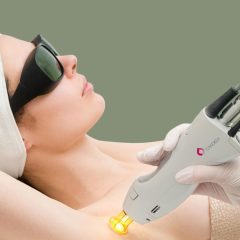
Laser hair removal London treatments are generally quick and relatively comfortable, though sensations can vary depending on the area. Your technician may adjust the laser intensity based on your comfort and skin type. Ensuring you work with a skilled professional is key to getting the most from your laser hair removal treatments.

Post-Treatment Care: Essential Steps

After your session, proper aftercare can greatly impact the success of your treatments:

  • Soothe Your Skin: Apply aloe vera or a gentle moisturiser to calm any redness or irritation.
  • Avoid Sun and Heat: For at least 48 hours, avoid sun exposure, hot showers, saunas, and intense workouts, as they can irritate the treated skin.
  • Stay Consistent with Sessions: Laser hair removal requires multiple treatments, usually spaced a few weeks apart. Sticking to the schedule will ensure optimal hair reduction over time.

Long-Term Maintenance

For most, laser hair removal significantly reduces hair growth, but periodic maintenance sessions can help keep results consistent. As hair regrowth may vary between individuals, follow your technician’s recommendations for touch-up appointments.

Conclusion

To maximise your laser hair removal outcomes, follow preparation and aftercare tips diligently and keep up with your treatment schedule. With the right approach, you can enjoy smoother skin and long-lasting results from your sessions.


 

FAQs

How can I maximise my laser hair removal results?

To get the best results from laser hair removal, follow all pre- and post-treatment care instructions carefully. Avoid sun exposure and tanning before each session, as this can affect the treatment’s effectiveness and increase sensitivity. Additionally, attend all scheduled sessions at the advised intervals, as regularity is key for long-lasting results.

How to make laser treatment more effective?

Ensuring clean, shaved skin before your appointment can help the laser target hair follicles more effectively. Avoid waxing or plucking between treatments, as these methods can interfere with the laser’s ability to focus on hair roots. Staying well-hydrated and using gentle skincare products can also aid in more effective results.

How can I improve my laser hair removal?

You can improve the outcomes of your laser hair removal by sticking to a consistent treatment schedule and taking steps to protect your skin between sessions. Avoiding hot showers, saunas, and intense exercise after each treatment will also help prevent irritation and support better results over time.

Popular Categories

Skin Treatments

Special Offers

DR Skincare

Related Articles

Hyperpigmentation: Causes, Types and the Most Effective Treatments for Clearer, Even-Toned Ski

Hyperpigmentation: Causes, Types and the Most Effective Treatments for Clearer, Even-Toned Ski

Quick Answer: What Is Hyperpigmentation? Hyperpigmentation is a common skin condition that causes patches of skin to appear darker than the surrounding area. It occurs when the skin produces excess melanin, the pigment responsible for skin colour. Hyperpigmentation can appear as: Brown spots Sun spots Age spots Melasma Acne marks Dark patches after skin injury…

HIFU vs Ultherapy vs Sofwave vs Thermage: Which Skin Tightening Treatment Is Right for You?

HIFU vs Ultherapy vs Sofwave vs Thermage: Which Skin Tightening Treatment Is Right for You?

HIFU vs Ultherapy vs Sofwave vs Thermage: Comparison Guide Non-surgical skin tightening treatments have become increasingly popular for lifting and firming the skin without surgery or downtime. With options like HIFU, Ultherapy, Sofwave, and Thermage, it’s not always obvious which treatment is the right fit for your skin concerns or goals. While all four work…

Real Acne Treatment Results: What to Expect in 3 Months

Real Acne Treatment Results: What to Expect in 3 Months

Seeing real improvement in acne takes time — and for most people, noticeable results begin to appear within 8 to 12 weeks of consistent treatment. Whether you’re starting a clinical skincare plan or a professional treatment programme, understanding what to expect helps you stay consistent and avoid early frustration. Month 1: Skin Adjustment Phase In…

Most Googled Questions About Skin Cancer — Answered

Most Googled Questions About Skin Cancer — Answered

Skin cancer is one of the most common forms of cancer worldwide, yet many people are still unsure about what it looks like, who is at risk, and when they should seek medical advice. During Skin Cancer Awareness Month, we’re answering some of the most frequently searched questions about skin cancer to help you stay…

Template: single.php
0