

Can I Go in the Sun After HIFU Treatment? - London Premier Laser & Skin Clinic Book Free Consultation
Location Icon 6 Clinics Across London Users Icon 600,000 Treatments Phone Icon Free Consultation Awards Icon Award Winning Treatments

Can I Go in the Sun After HIFU Treatment?

By Mary Basiadima, 29 July 2025

Can I Go in the Sun After HIFU Treatment?

If you’re planning a HIFU (High-Intensity Focused Ultrasound) treatment and wondering Can I go in the sun after HIFU treatment?, you’re not alone. Many people want to enjoy the benefits of skin tightening without disrupting their lifestyle — especially during the warmer months. So, how much sun is too much, and what should you really avoid?

How HIFU Works

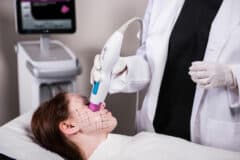
HIFU uses focused ultrasound energy to stimulate collagen production deep within the skin — targeting the lower layers without damaging the surface. It’s commonly used for lifting the jawline, firming the neck, and skin tightening areas like the brow or décolletage.

Because the treatment works below the skin, many assume there’s no need to avoid the sun. But there are still important aftercare steps to follow — especially when it comes to UV exposure.

Why You Should Be Cautious with Sun Exposure After HIFU

While HIFU doesn’t break the skin, it can leave it slightly inflamed or more sensitive than usual in the days following treatment. Sun exposure during this period increases the risk of:

  • Skin irritation
  • Redness or overheating
  • Delayed healing
  • Uneven pigmentation (in rare cases)

To protect your results — and your skin health — avoiding direct sun is strongly recommended for at least 5 to 7 days after your session.

What If You Need to Be Outside?

If you can’t avoid going out, make sure to:

  • Apply broad-spectrum SPF 50 daily, even on cloudy days
  • Wear a wide-brimmed hat or use a parasol
  • Stick to shaded areas where possible
  • Reapply sun cream every 2–3 hours, especially if sweating or outside for long periods

These simple steps can help prevent unwanted side effects and keep your skin looking its best post-treatment.

When Can I Safely Resume Sun Exposure?

After about one week, most people can return to normal outdoor activities, provided they continue using high-factor SPF. If your skin is still feeling tender or warm, it’s best to wait until all sensitivity has subsided.

If you’re planning a holiday or prolonged time in the sun, let your practitioner know beforehand so they can advise on timing and aftercare to avoid complications.

Can Sun Exposure Affect My Results?

Yes — excessive sun exposure can accelerate collagen breakdown, which works against what HIFU is trying to achieve. Protecting your skin from the sun not only helps avoid irritation but also preserves the lifting and tightening effects of the treatment for longer.

After a HIFU session, your skin deserves time to recover and regenerate. So, if you’re asking can I go in the sun after HIFU treatment?, the safest answer is: not right away. Give your skin a few days to settle, stay protected with SPF, and you’ll enjoy better, longer-lasting results.


FAQs

Can I sunbathe after HIFU?

It’s best to avoid sunbathing for at least one week after your HIFU treatment. Although HIFU doesn’t damage the skin’s surface, your skin may be more sensitive than usual, and exposure to UV rays could increase the risk of redness, irritation, or pigmentation. To protect your results and overall skin health, stay out of direct sunlight during the healing period and always wear a high-factor SPF.

Can I go to the beach after HIFU?

You can visit the beach a few days after HIFU, but it’s important to take precautions. Avoid direct sun exposure, wear SPF 50, and stay in the shade as much as possible. You should also skip activities like swimming in the sea or hot sunbathing until at least 5–7 days after treatment, as your skin may still be sensitive and more prone to irritation or inflammation.

What are the restrictions after HIFU?

After HIFU treatment, avoid the following for at least 5–7 days:

  • Direct sun exposure or sunbathing
  • Hot baths, saunas, or steam rooms
  • Intense exercise or anything that causes heavy sweating
  • Harsh skincare products or exfoliants
  • Facial massages or other skin treatments

Always follow your practitioner’s specific aftercare advice, as this helps minimise irritation and supports the best possible results.

Popular Categories

Skin Treatments

Special Offers

DR Skincare

Related Articles

What is the best anti-aging treatments for 30s, 40s and 50s

What is the best anti-aging treatments for 30s, 40s and 50s

Ageing is a natural process, but how we delay and optimise skin ageing can make a significant difference to how we look and feel over time. At Premier Laser & Skin Clinics, we believe anti-ageing isn’t about changing your face, it’s about maintaining healthy, radiant, confident skin at every stage of life using the latest…

Best Skin Treatments to Prevent Pigmentation and Get Summer-Ready

Best Skin Treatments to Prevent Pigmentation and Get Summer-Ready

As summer approaches, glowing, even-toned skin becomes a top priority. But with increased sun exposure comes a higher risk of pigmentation, dark spots, and uneven skin tone. The good news? With the right treatments and preventative care, you can keep your skin radiant and protected all season long. Here’s your expert guide to the best…

Non-Surgical Six-Pack London

Non-Surgical Six-Pack London

Achieving visible abdominal definition can be challenging, even with regular training and a disciplined diet. For many people, stubborn fat and limited muscle engagement prevent the midsection from looking as defined as they would like. This is why interest in non-surgical six-pack London, has grown significantly in recent years. Emsculpt Neo is a non-invasive body…

Exosomes for Crepey Skin

Exosomes for Crepey Skin

Crepey skin can be one of the most frustrating signs of ageing. It often appears thin, finely wrinkled and lacking elasticity, particularly around the neck, lower face, arms and abdomen. Unlike deeper sagging, crepey skin is more about texture and skin quality than excess tissue. This is why regenerative treatments are gaining attention, especially exosomes…

Template: single.php
0