 中文服务
中文服务







 6 Clinics Across London
 600,000 Treatments
 Free Consultation
 Award Winning Treatments

In the world of aesthetic treatments, achieving subtle, natural results is key. But sometimes, too much of a good thing can have the opposite effect. So, what is a pillow face? It’s a term used to describe a puffy, overfilled appearance that can result from the excessive use of dermal fillers — particularly in the cheeks and under-eye area.
Where Did the Term Come From?
“Pillow face” became a popular phrase to describe the smooth, rounded look some people develop after repeated or overly generous dermal filler treatments. Instead of enhancing features, too much volume creates a stretched or swollen appearance, which can ironically make the face look older, heavier, or less expressive.
What Causes a Pillow Face?
The main cause is overfilling with dermal fillers, either in a single session or cumulatively over time. This can happen when:
- Fillers are injected too superficially or in the wrong layer of tissue
- Too much product is placed in one area (especially the mid-face)
- Previous filler hasn’t dissolved properly before new product is added
- The injector lacks anatomical understanding or uses outdated techniques
It’s not always the client’s fault — often, it’s due to poor technique or a “more is more” approach that doesn’t suit every face.
What Areas Are Most Affected?
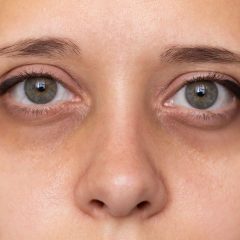
Pillow face is most commonly seen in the cheeks, tear troughs, and sometimes the jawline. When too much filler is placed here, it can lead to:
- Puffy cheeks with no natural contour
- A distorted under-eye area
- A loss of definition in the face
- A tight or stretched appearance when smiling
Can a Pillow Face Be Fixed?
Yes, in most cases. Hyaluronic acid fillers — the most common type — can be dissolved using an enzyme called hyaluronidase. A skilled practitioner can assess the face, dissolve excess filler, and create a more balanced plan for future treatment if desired.
It’s important to work with experienced professionals who take a conservative, tailored approach rather than following trends or aiming for dramatic results in one session.
How to Avoid It in the First Place
Avoiding pillow face comes down to good technique and honest expectations. Here’s what helps:
- Choose a qualified, medically trained injector
- Start with small amounts and build gradually
- Focus on facial harmony, not just one feature
- Be open to dissolving old filler before adding more
- Don’t chase trends — what looks good online may not suit your anatomy
If you’ve ever asked, What is a pillow face?, now you know it’s less about the product and more about how it’s used. When dermal fillers are placed with skill and restraint, they can enhance your features beautifully. But overdoing it can lead to results that feel anything but natural — which is why a personalised, expert approach always wins.











 Back to All Treatments
 In Clinic Consultation
 Telephone Consultation