

Can Putting Ice On The Belly Reduce Fat? - London Premier Laser & Skin Clinic Book Free Consultation
Location Icon 6 Clinics Across London Users Icon 600,000 Treatments Phone Icon Free Consultation Awards Icon Award Winning Treatments

Can Putting Ice On The Belly Reduce Fat?

By Mary Basiadima, 7 April 2025

Does ice reduce fat belly? Putting ice on your belly won’t burn fat. While cold can trigger a minor calorie burn, it’s not enough to make a real difference. Treatments like CoolSculpting use controlled freezing to break down fat cells safely. What burns the most belly fat? A mix of regular exercise, a balanced diet, and enough sleep is key. High-intensity interval training (HIIT) and strength training are especially effective. No single food or workout will target belly fat on its own. Does freezing belly fat really work? Yes, treatments like CoolSculpting use controlled cooling to target and destroy fat cells. Over time, the body naturally flushes them out, helping reduce stubborn fat pockets with no surgery or downtime.

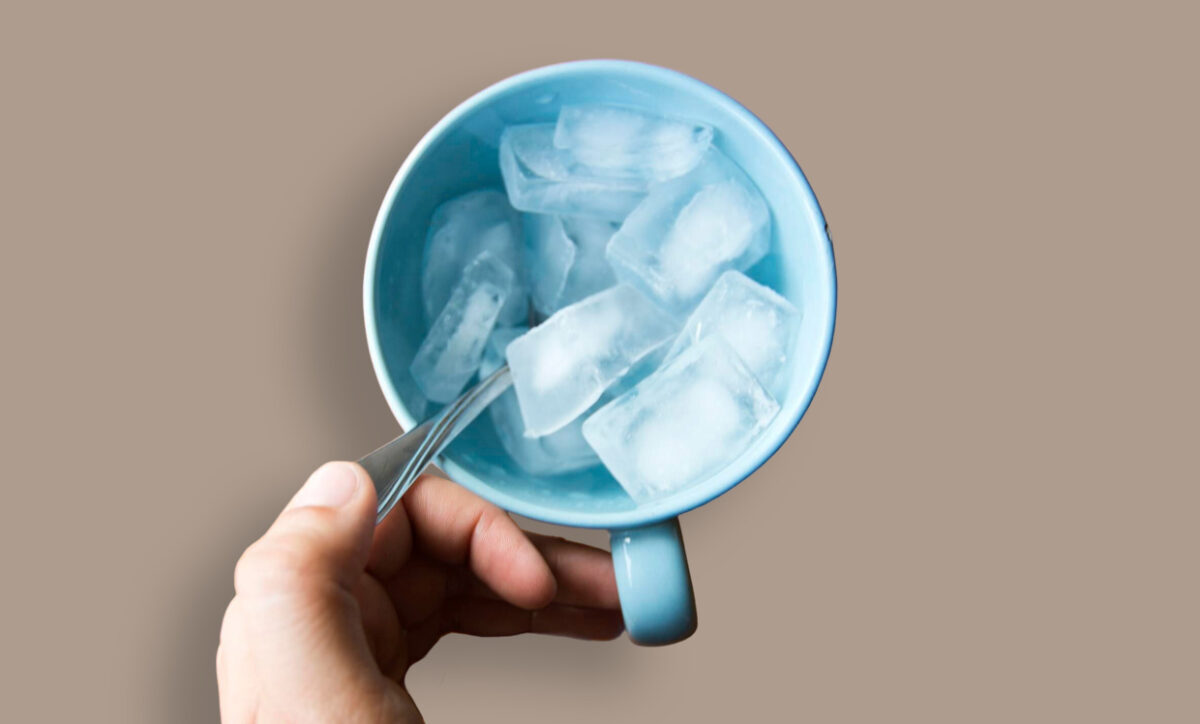
It’s a question that pops up often in beauty blogs and DIY forums: can putting ice on the belly reduce fat? The idea might sound tempting — after all, if professional fat freezing works, why not just grab a bag of frozen peas and give it a go?

Let’s unpack the science behind this trend, what actually works, and why expert-led treatments are still the safer route.

Where did the idea come from?

The DIY ice-on-fat concept is loosely based on coolsculpting— a treatment method used in our clinics to freeze and destroy fat cells. The idea gained traction after scientists discovered that fat cells are more sensitive to cold than other tissues, meaning they can be damaged by low temperatures without harming the surrounding skin.

From that, treatments like CoolSculpting were developed. But the controlled environment and calibrated technology used in our clinics is very different from applying ice packs at home.

What happens when you put ice on your stomach?

While ice can temporarily numb the area and reduce inflammation, it doesn’t reach the precise temperatures or duration needed to target fat cells safely or effectively. Prolonged exposure to ice can also damage your skin, leading to frostbite or burns — especially if you do it regularly or without protection.

So while it may feel like you’re doing something, there’s no evidence that home freezing leads to measurable or lasting fat reduction.

How is fat freezing different?

Fat Freezing is a regulated treatment that uses a specialised device to cool fat cells to the point where they break down, triggering a natural elimination process over the following weeks. It’s non-invasive, doesn’t involve surgery, and is performed by trained professionals.

Unlike DIY methods, the procedure is carefully monitored to avoid damaging the skin or surrounding tissue — something that can’t be guaranteed with homemade attempts.

Final thoughts

So, can putting ice on the belly reduce fat? In theory, cold can help destroy fat cells, but doing it at home isn’t effective or safe. While it may seem like a cost-saving hack, using ice alone won’t give you the results you’re after and could even cause harm. If you’re serious about fat reduction, professional treatments like CoolSculpting are far more reliable — and much safer.


 

FAQs

Does ice reduce fat belly?

Putting ice on your belly won’t burn fat. While cold can trigger a minor calorie burn, it’s not enough to make a real difference. Treatments like CoolSculpting use controlled freezing to break down fat cells safely.

What burns the most belly fat?

A mix of regular exercise, a balanced diet, and enough sleep is key. High-intensity interval training (HIIT) and strength training are especially effective. No single food or workout will target belly fat on its own.

Does freezing belly fat really work?

Yes, treatments like CoolSculpting use controlled cooling to target and destroy fat cells. Over time, the body naturally flushes them out, helping reduce stubborn fat pockets with no surgery or downtime.


Popular Categories

Skin Treatments

Special Offers

DR Skincare

Related Articles

HIFU vs Ultherapy vs Sofwave vs Thermage: Which Skin Tightening Treatment Is Right for You?

HIFU vs Ultherapy vs Sofwave vs Thermage: Which Skin Tightening Treatment Is Right for You?

HIFU vs Ultherapy vs Sofwave vs Thermage: Comparison Guide Non-surgical skin tightening treatments have become increasingly popular for lifting and firming the skin without surgery or downtime. With options like HIFU, Ultherapy, Sofwave, and Thermage, it’s not always obvious which treatment is the right fit for your skin concerns or goals. While all four work…

Real Acne Treatment Results: What to Expect in 3 Months

Real Acne Treatment Results: What to Expect in 3 Months

Seeing real improvement in acne takes time — and for most people, noticeable results begin to appear within 8 to 12 weeks of consistent treatment. Whether you’re starting a clinical skincare plan or a professional treatment programme, understanding what to expect helps you stay consistent and avoid early frustration. Month 1: Skin Adjustment Phase In…

Most Googled Questions About Skin Cancer — Answered

Most Googled Questions About Skin Cancer — Answered

Skin cancer is one of the most common forms of cancer worldwide, yet many people are still unsure about what it looks like, who is at risk, and when they should seek medical advice. During Skin Cancer Awareness Month, we’re answering some of the most frequently searched questions about skin cancer to help you stay…

Post-Pregnancy & Menopause Belly Fat: Why It’s Hard to Lose and What Actually Works

Post-Pregnancy & Menopause Belly Fat: Why It’s Hard to Lose and What Actually Works

For many women, there comes a point where diet and exercise suddenly stop delivering the results they used to. You might be eating well, staying active, doing everything “right” — yet stubborn belly fat simply refuses to shift. This is especially common after pregnancy and during menopause. And it can be frustrating, not just physically,…

Template: single.php
0