

HIFU: A Quick Guide - London Premier Laser & Skin Clinic Book Free Consultation

☀️ Bank Holiday Offer: £100 OFF selected skin treatments over £400 with code SUMMER100. Learn more here. Ends 26th May.

Location Icon 6 Clinics Across London Users Icon 600,000 Treatments Phone Icon Free Consultation Awards Icon Award Winning Treatments

HIFU: A Quick Guide

By Mary Basiadima, 3 August 2017

Hifu skin tightening

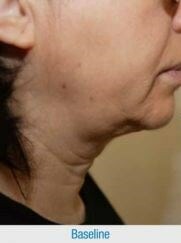
When you see a teenager, what makes her look young? What makes you feel old when you look in the mirror? Often the difference between that teenage face and yours is the sagging skin, and it’s a natural process you can’t always avoid.  As you age, your collagen levels diminish, and that means wrinkles and sagging skin that was once only dealt with thanks to a facelift. Now, though, there are new treatments available to tackle that problem and help your skin look as young as it did when you were still in school. It’s called HIFU.

Understanding the Process

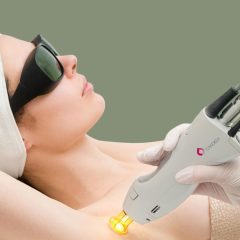
HIFU is also sometimes called a non-surgical face lift, and for good reason. It helps to contour your skin and change the way you look on a daily basis. It begins with a comprehensive consultation. On appointment day, we’ll cleanse your skin, then apply a gel. The Ultraformer then be applied to your skin, across the area you’d like to tighten. As it works across your skin, it generates a thermal effect, which helps your body begin to repair the collagen and produce more to tighten the area.

You may feel a bit of bruising and tenderness after the procedure, but it generally isn’t painful. HIFU treatments last anywhere from twenty to forty minutes, depending on how large the treatment area is.

As with many of our other treatments, there is no downtime following your HIFU. You might see slight redness for an hour or so directly afterwards, but you don’t have to worry about a long recovery time.

How Soon Will I Notice the Difference?

Your skin will feel a bit tighter directly after the procedure, however you will see the best skin results after three months. Top-up treatment can also be arranged to enhance the results further in future.

Ready to book your appointment? Give us a call today.

Popular Categories

Skin Treatments

Special Offers

DR Skincare

Related Articles

HIFU vs Ultherapy vs Sofwave vs Thermage: Which Skin Tightening Treatment Is Right for You?

HIFU vs Ultherapy vs Sofwave vs Thermage: Which Skin Tightening Treatment Is Right for You?

HIFU vs Ultherapy vs Sofwave vs Thermage: Comparison Guide Non-surgical skin tightening treatments have become increasingly popular for lifting and firming the skin without surgery or downtime. With options like HIFU, Ultherapy, Sofwave, and Thermage, it’s not always obvious which treatment is the right fit for your skin concerns or goals. While all four work…

Real Acne Treatment Results: What to Expect in 3 Months

Real Acne Treatment Results: What to Expect in 3 Months

Seeing real improvement in acne takes time — and for most people, noticeable results begin to appear within 8 to 12 weeks of consistent treatment. Whether you’re starting a clinical skincare plan or a professional treatment programme, understanding what to expect helps you stay consistent and avoid early frustration. Month 1: Skin Adjustment Phase In…

Most Googled Questions About Skin Cancer — Answered

Most Googled Questions About Skin Cancer — Answered

Skin cancer is one of the most common forms of cancer worldwide, yet many people are still unsure about what it looks like, who is at risk, and when they should seek medical advice. During Skin Cancer Awareness Month, we’re answering some of the most frequently searched questions about skin cancer to help you stay…

Post-Pregnancy & Menopause Belly Fat: Why It’s Hard to Lose and What Actually Works

Post-Pregnancy & Menopause Belly Fat: Why It’s Hard to Lose and What Actually Works

For many women, there comes a point where diet and exercise suddenly stop delivering the results they used to. You might be eating well, staying active, doing everything “right” — yet stubborn belly fat simply refuses to shift. This is especially common after pregnancy and during menopause. And it can be frustrating, not just physically,…

Template: single.php
0