 中文服务
中文服务







 6 Clinics Across London
 600,000 Treatments
 Free Consultation
 Award Winning Treatments

Laser hair removal has become an increasingly popular solution for those seeking long-term relief from unwanted hair, especially for individuals prone to ingrown hairs. This treatment offers a promising alternative to traditional hair removal methods, which often exacerbate the problem. For people with ingrown hair-prone skin, laser hair removal can significantly reduce the occurrence of these painful and unsightly bumps. Here’s a closer look at how laser hair removal works for ingrown hair-prone skin and why it’s particularly beneficial for those with this skin condition.
Understanding Ingrown Hairs
Ingrown hairs occur when hair grows back into the skin instead of rising up from it. This can cause inflammation, pain, and small, swollen bumps. Individuals with curly or coarse hair are more susceptible to ingrown hairs, as are those who shave or wax regularly. When the hair is cut or removed at or below the skin level, it can easily curl back into the skin, leading to these problematic ingrown hairs.
How Laser Hair Removal Works
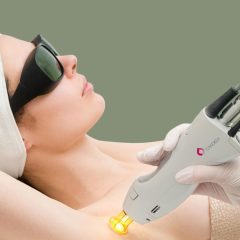
Laser hair removal London clinics utilise concentrated light beams to target and destroy hair follicles. The pigment in the hair absorbs the laser’s light, which heats up and damages the follicle, inhibiting future hair growth. Here’s a step-by-step overview of the process:
- Preparation: Before the procedure, the area to be treated is cleaned and prepped. A topical anaesthetic may be applied to minimise discomfort.
- Treatment: The laser device is adjusted according to the colour, thickness, and location of the hair being treated. The practitioner will then apply the laser to the skin. You might feel a slight stinging sensation as the laser pulses are delivered.
- Post-Treatment Care: After the session, you may experience some redness and swelling, similar to a mild sunburn. Applying ice packs and soothing creams can help alleviate these symptoms.
Benefits for Ingrown Hair-Prone Skin
Laser hair removal offers several advantages for individuals with a tendency to develop ingrown hairs:
- Reduction in Ingrown Hairs: By targeting the hair follicles directly, laser hair removal reduces the overall number of hairs that grow back. This significantly decreases the likelihood of hairs growing back into the skin.
- Smoother Skin: Traditional hair removal methods like shaving, waxing, and epilating can irritate the skin and contribute to ingrown hairs. Laser hair removal, on the other hand, results in smoother skin with fewer bumps and irritations.
- Long-Term Results: While multiple sessions are required for optimal results, laser hair removal offers a more permanent solution compared to other methods. Most patients experience a significant reduction in hair growth after just a few sessions, and maintenance treatments can further prolong the effects.
- Convenience: Once the initial series of treatments is complete, the need for frequent hair removal diminishes. This not only saves time but also reduces the risk of skin irritation and ingrown hairs associated with regular shaving or waxing.
Considerations and Precautions
While laser hair removal is highly effective, there are a few considerations to keep in mind:
- Multiple Sessions Required: Hair grows in cycles, and laser hair removal is most effective during the growth phase. Therefore, multiple sessions spaced several weeks apart are necessary to target all hair follicles.
- Skin Sensitivity: Some individuals may experience temporary side effects such as redness, swelling, or blistering. It’s important to follow post-treatment care instructions to minimise these risks.
- Professional Treatment: For the best results, it’s crucial to seek treatment from a qualified and experienced practitioner. This ensures the procedure is performed safely and effectively.
While we explored how laser hair removal works for ingrown hair-prone skin we understand that laser hair removal offers a compelling solution. By directly targeting hair follicles and reducing hair growth, this treatment can lead to smoother, healthier skin with fewer ingrown hairs. While it requires an initial investment of time and money, the long-term benefits make it a worthwhile consideration for anyone seeking relief from this common skin concern. Always consult with our professionals to determine if laser hair removal is the right option for your specific skin type and condition.







 Back to All Treatments
 In Clinic Consultation
 Telephone Consultation