

How Long Do Polynucleotide Injections Last? - London Premier Laser & Skin Clinic Book Free Consultation
Location Icon 6 Clinics Across London Users Icon 600,000 Treatments Phone Icon Free Consultation Awards Icon Award Winning Treatments

How Long Do Polynucleotide Injections Last?

By Mary Basiadima, 6 August 2025

How Long Do Polynucleotide Injections Last?

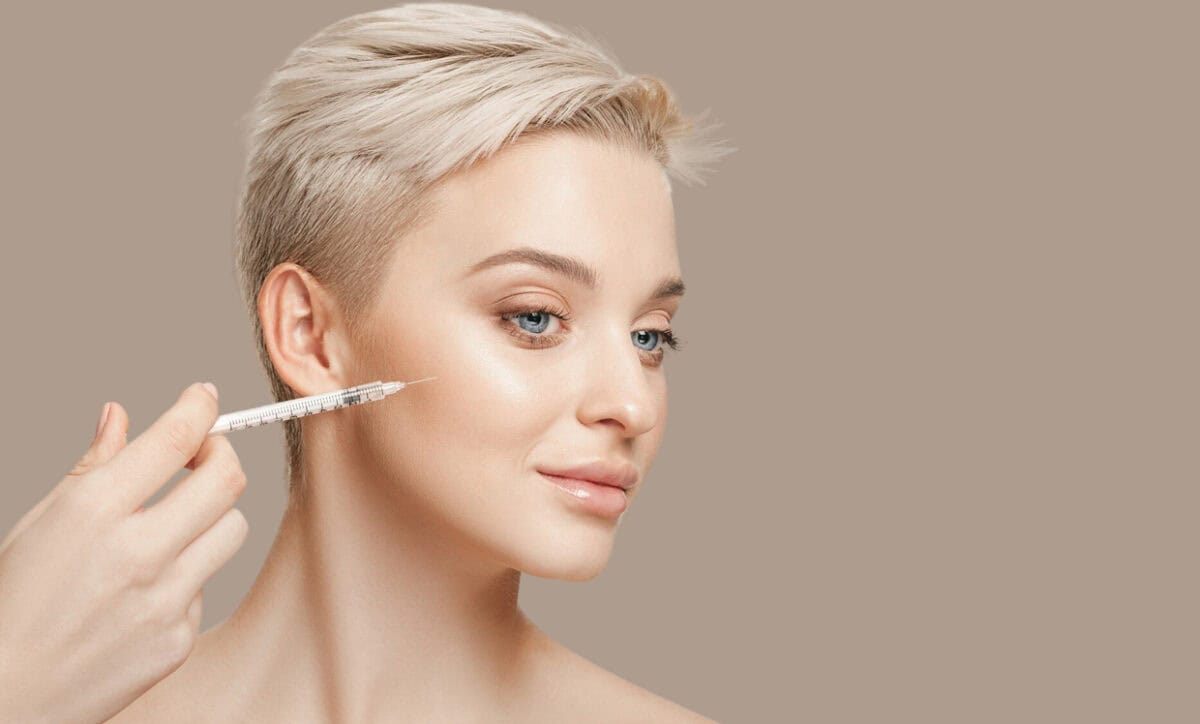
Polynucleotides are one of the latest advances in regenerative aesthetics, designed to repair and rejuvenate the skin from within. They work differently from dermal fillers or traditional injectables by stimulating tissue repair, improving hydration, and boosting collagen and elastin production. But how long do polynucleotide injections last, and what should you realistically expect?

How Polynucleotides Work

Polynucleotides are chains of DNA fragments, usually derived from purified sources such as salmon, that act as skin “scaffolding”. Once injected, they encourage fibroblasts — the skin’s repair cells — to regenerate and restore healthy function. This makes them ideal for treating fine lines, dullness, laxity, and even sensitive conditions like rosacea.

How Long Do Results Last?

Results typically last around 6 to 12 months, depending on the area treated, the product used, and individual skin health. Improvements often continue to build for several weeks after treatment as collagen and elastin are gradually stimulated. A course of treatments is usually recommended for the best long-term outcome.

How Many Sessions Do You Need?

Most people start with a course of 2 to 3 sessions, spaced a few weeks apart. This creates a strong foundation of skin regeneration. After the initial course, maintenance sessions every 6–12 months help sustain results and keep the skin in optimal condition.

Factors That Influence Longevity

Several factors can affect how long your results last, including:

  • Your age and skin quality
  • Lifestyle habits such as smoking or sun exposure
  • The specific polynucleotide brand used
  • How well you follow aftercare advice

Taking care of your skin with good daily SPF and medical-grade skincare will help extend the benefits.

Are Results Permanent?

Polynucleotides don’t offer permanent results, because the natural ageing process continues. However, they create long-term improvements in skin health and structure, making the skin stronger and more resilient over time.

So, How Long Do Polynucleotide Injections Last?

If you’ve been wondering how long do polynucleotide injections last?, the answer is usually 6 to 12 months, with results building gradually after a course of treatments. Regular maintenance can extend their benefits, helping your skin stay healthier, firmer, and more radiant for the long term.

FAQs

How often should you have polynucleotide treatment?

Polynucleotide treatments are usually carried out as a course of two to three sessions, spaced around three to four weeks apart. This allows the skin time to respond and build new collagen and elastin. For maintenance, most people return for a top-up every 6 to 12 months to keep results fresh and long-lasting.

Are polynucleotide results permanent?

No, polynucleotide results are not permanent. They stimulate regeneration within the skin, but the natural ageing process continues. Most people enjoy results for 6 to 12 months, depending on their skin condition and lifestyle. With regular maintenance, the improvements can be extended over the long term.

What are the side effects of long term use of polynucleotide injections?

Polynucleotides are considered very safe, as they are biocompatible and well-tolerated. Side effects are typically mild and short-lived, such as slight redness, swelling, or small bruises at the injection sites. There are currently no known negative effects from long-term use, provided treatments are carried out by qualified practitioners using regulated products. Regular reviews ensure your treatment plan remains safe and effective.

Popular Categories

Skin Treatments

Special Offers

DR Skincare

Related Articles

Hyperpigmentation: Causes, Types and the Most Effective Treatments for Clearer, Even-Toned Ski

Hyperpigmentation: Causes, Types and the Most Effective Treatments for Clearer, Even-Toned Ski

Quick Answer: What Is Hyperpigmentation? Hyperpigmentation is a common skin condition that causes patches of skin to appear darker than the surrounding area. It occurs when the skin produces excess melanin, the pigment responsible for skin colour. Hyperpigmentation can appear as: Brown spots Sun spots Age spots Melasma Acne marks Dark patches after skin injury…

HIFU vs Ultherapy vs Sofwave vs Thermage: Which Skin Tightening Treatment Is Right for You?

HIFU vs Ultherapy vs Sofwave vs Thermage: Which Skin Tightening Treatment Is Right for You?

HIFU vs Ultherapy vs Sofwave vs Thermage: Comparison Guide Non-surgical skin tightening treatments have become increasingly popular for lifting and firming the skin without surgery or downtime. With options like HIFU, Ultherapy, Sofwave, and Thermage, it’s not always obvious which treatment is the right fit for your skin concerns or goals. While all four work…

Real Acne Treatment Results: What to Expect in 3 Months

Real Acne Treatment Results: What to Expect in 3 Months

Seeing real improvement in acne takes time — and for most people, noticeable results begin to appear within 8 to 12 weeks of consistent treatment. Whether you’re starting a clinical skincare plan or a professional treatment programme, understanding what to expect helps you stay consistent and avoid early frustration. Month 1: Skin Adjustment Phase In…

Most Googled Questions About Skin Cancer — Answered

Most Googled Questions About Skin Cancer — Answered

Skin cancer is one of the most common forms of cancer worldwide, yet many people are still unsure about what it looks like, who is at risk, and when they should seek medical advice. During Skin Cancer Awareness Month, we’re answering some of the most frequently searched questions about skin cancer to help you stay…

Template: single.php
0