

How to Get Surgical Scars to Fade - London Premier Laser & Skin Clinic Book Free Consultation
Location Icon 6 Clinics Across London Users Icon 600,000 Treatments Phone Icon Free Consultation Awards Icon Award Winning Treatments

How to Get Surgical Scars to Fade

By Mary Basiadima, 19 November 2025

How to Get Surgical Scars to Fade

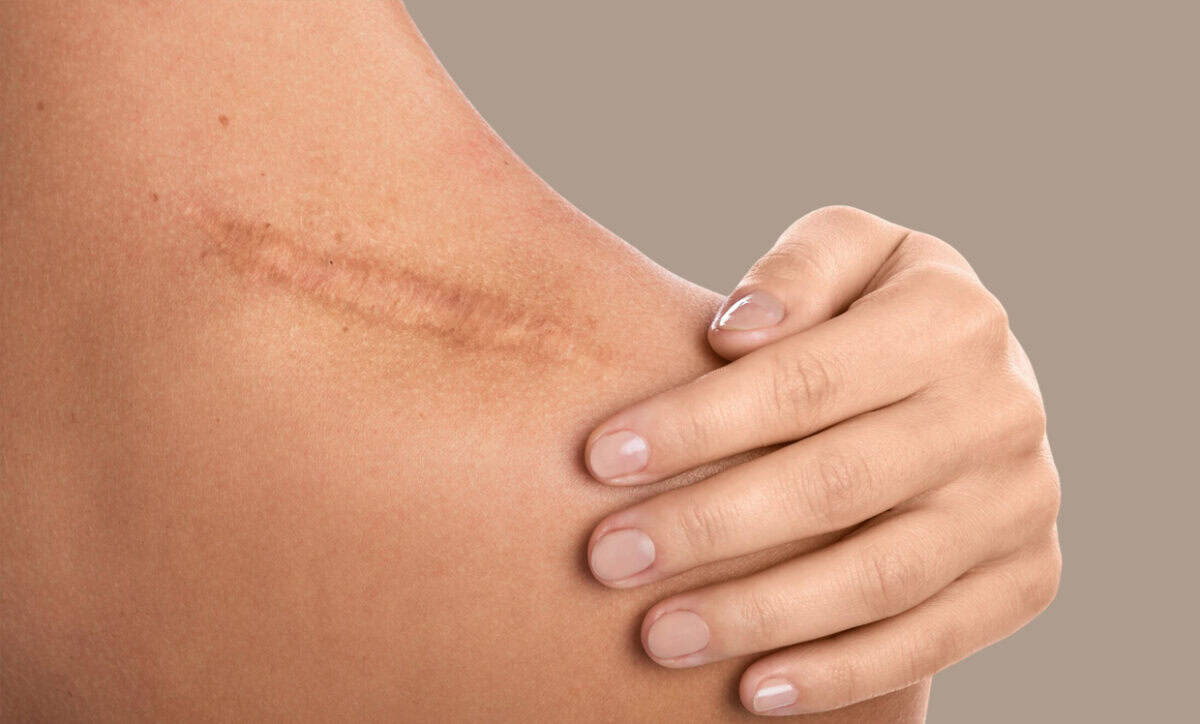
Surgical scars can be frustrating, especially when they take longer than expected to soften or blend with the surrounding skin. Many clients want to know how to get surgical scars to fade, and the reality is that while scars cannot be removed completely, the right approach can significantly improve their texture, colour and overall appearance.

Understanding the Nature of Surgical Scars

Surgical scars are formed as the body repairs damaged tissue. Collagen fibres develop quickly to close the area, but they don’t always align smoothly, leading to scar tissue that may look raised, indented, tight or discoloured. Scar behaviour also depends on genetics, skin tone, age and how well the wound healed in the early stages.

Why Resurfacing Lasers Like iPixel Work

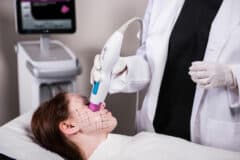
One of the most effective treatments for surgical scars is fractional resurfacing, and the iPixel laser is one of the most advanced tools in this category.

The iPixel laser works by creating controlled micro-injuries in the scar tissue. These tiny columns of energy encourage the skin to shed old, damaged cells and replace them with fresh collagen and elastin. Over time, this process helps:

  • Smooth, raised, or uneven texture
  • Reduce scar rigidity
  • Blend the scar more naturally with the surrounding skin
  • Soften pigmentation irregularities

Because it targets small areas while leaving surrounding skin intact, iPixel offers effective results with minimal downtime compared with older ablative lasers.

Complementary Treatments That Support Results

Alongside iPixel, other treatments may be recommended depending on the scar type:

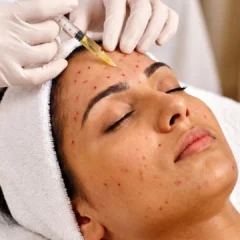
  • Microneedling strengthens collagen from within, improving elasticity and softening the scar’s edges.
  • Chemical peels help brighten uneven pigmentation and improve surface texture.
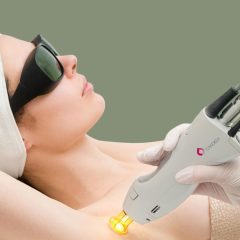
  • Laser pigmentation treatments can be used when scars are darker than the surrounding skin.

A tailored plan often provides the best outcome, especially for scars that are textured and discoloured.

Medical-Grade Skincare Makes a Difference

Certain ingredients support scar fading by encouraging healthier skin renewal. These include:

  • Retinoids for collagen stimulation
  • Vitamin C for pigmentation and brightness
  • Hydrating ingredients to keep scar tissue supple

Consistent use of practitioner-recommended skincare enhances the effects of in-clinic treatments.

Sun Protection Is Essential

UV exposure can darken scars and make them more noticeable. Daily sunscreen, even on cloudy days, helps prevent pigmentation from worsening and supports smoother long-term healing. SPF is crucial before and after any resurfacing laser treatment.

A Steady, Long-Term Approach

Surgical scars mature slowly, often over 12–18 months. Improvements occur gradually as new collagen forms, particularly when resurfacing treatments like iPixel are performed in a structured course. Most clients see meaningful changes in texture, firmness and colour with patience and consistency.

FAQs

What helps fade surgical scars?

Surgical scars fade best with a combination of professional treatments and consistent skincare. Fractional resurfacing lasers such as iPixel help remodel collagen, smooth uneven texture and soften the appearance of the scar. Microneedling, chemical peels, and pigmentation-targeting lasers can also help fade discolouration. At home, medical-grade skincare containing retinoids, vitamin C and gentle exfoliants helps maintain healthy skin renewal. Daily SPF is essential to prevent the scar from darkening.

How long does it take for surgical scars to fade?

Surgical scars typically mature over 12 to 18 months, gradually improving in colour and texture. Professional treatments such as iPixel resurfacing can accelerate this process, with visible changes usually seen over a course of sessions. However, improvements happen slowly as collagen remodels beneath the skin. Consistent aftercare, sun protection and recommended skincare all play important roles in helping the scar fade more effectively over time.

Is Bio-Oil good for surgical scars?

Bio-Oil can help keep scar tissue hydrated and supple, which may improve the appearance of newer scars during early healing. However, its results are usually mild and cosmetic. For more noticeable improvement, especially with raised, textured or discoloured scars, professional treatments such as iPixel fractional resurfacing, microneedling, or targeted pigmentation lasers offer far more effective and long-lasting results. Bio-Oil can be used as part of general aftercare, but it is not a substitute for clinical treatment.

Popular Categories

Skin Treatments

Special Offers

DR Skincare

Related Articles

Best Skin Treatments to Prevent Pigmentation and Get Summer-Ready

Best Skin Treatments to Prevent Pigmentation and Get Summer-Ready

As summer approaches, glowing, even-toned skin becomes a top priority. But with increased sun exposure comes a higher risk of pigmentation, dark spots, and uneven skin tone. The good news? With the right treatments and preventative care, you can keep your skin radiant and protected all season long. Here’s your expert guide to the best…

Non-Surgical Six-Pack London

Non-Surgical Six-Pack London

Achieving visible abdominal definition can be challenging, even with regular training and a disciplined diet. For many people, stubborn fat and limited muscle engagement prevent the midsection from looking as defined as they would like. This is why interest in non-surgical six-pack London, has grown significantly in recent years. Emsculpt Neo is a non-invasive body…

Exosomes for Crepey Skin

Exosomes for Crepey Skin

Crepey skin can be one of the most frustrating signs of ageing. It often appears thin, finely wrinkled and lacking elasticity, particularly around the neck, lower face, arms and abdomen. Unlike deeper sagging, crepey skin is more about texture and skin quality than excess tissue. This is why regenerative treatments are gaining attention, especially exosomes…

Who Spent $200,000 to Remove Tattoos?

Who Spent $200,000 to Remove Tattoos?

Celebrity tattoo removal stories often make headlines, particularly when large figures are involved. A question that frequently appears online is: Who spent $200,000 to remove tattoos? The celebrity most commonly associated with this figure is Pete Davidson. He has publicly spoken in interviews about undergoing extensive laser tattoo removal and has stated that the process…

Template: single.php
0