 中文服务
中文服务







 6 Clinics Across London
 600,000 Treatments
 Free Consultation
 Award Winning Treatments

Acne is a common skin concern, but understanding its underlying cause can help you manage and treat it more effectively. Two common types—hormonal acne and bacterial acne—have distinct triggers and characteristics. Here’s how to tell if acne Is hormonal or bacterial you might be dealing with and some subtle ways to address it.
What Is Hormonal Acne?
Hormonal acne is often linked to fluctuations in hormone levels, particularly androgens like testosterone. These fluctuations can overstimulate the sebaceous glands, leading to excess oil production and clogged pores. This type of acne commonly appears around the jawline, chin, and lower cheeks, especially in women, and often worsens during menstrual cycles, puberty, pregnancy, or menopause.
Hormonal acne tends to present as deep, painful cysts or nodules under the skin that are often harder to treat with over-the-counter products alone.
What Is Bacterial Acne?
Bacterial acne, on the other hand, is caused by an overgrowth of Cutibacterium acnes (formerly Propionibacterium acnes), a bacteria that lives on the skin. When pores become clogged with oil and dead skin, bacteria multiply, leading to inflammation, redness, and pus-filled spots.
This type of acne can appear anywhere on the face or body and is often characterised by whiteheads, blackheads, or inflamed pustules. Bacterial acne is more likely to respond to topical treatments containing ingredients like salicylic acid, or antibiotics.
How to Tell the Difference
- Location: Hormonal acne typically appears on the lower face (jawline and chin), while bacterial acne can occur anywhere on the face and body.
- Timing: Hormonal acne often flares up in cycles, coinciding with hormonal changes, while bacterial acne is less predictable.
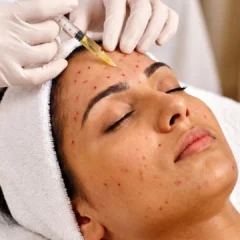
- Appearance: Hormonal acne usually presents as deep, cystic bumps, while bacterial acne is more likely to include pustules and blackheads.
Treatment Options for Controlling Acne
While traditional acne treatments like prescription medications and topical solutions are effective, professional skin treatments can complement your routine:
- Herbal Green Peel: A natural peel designed to rejuvenate the skin and target acne by removing dead skin layers.
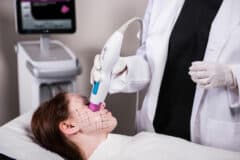
- Harmony ClearSkin: A non-invasive option that uses light-based technology to reduce inflammation and bacterial growth.
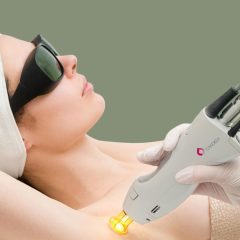
- Carbon Laser Facial: Helps to exfoliate, reduce oiliness, and kill bacteria deep within the pores.
- Oxygen Facial: Boosts hydration and supports the skin’s natural healing processes, which can help with inflammation.
- Hydrafacial: A gentle but thorough treatment combining cleansing, exfoliation, and hydration to improve skin texture and reduce clogged pores.
When to See a Professional
If your acne persists despite over-the-counter treatments or worsens significantly, it’s worth consulting a dermatologist. They can assess whether your acne is hormonal, bacterial, or a mix of both, and recommend a tailored treatment plan, which may include prescription options or professional treatments.
Understanding how to tell if acne Is hormonal or bacterial is the first step towards clearer skin. And with a combination of the right skincare, healthy habits, and professional guidance, you can take control of your complexion.


 Back to All Treatments
 In Clinic Consultation
 Telephone Consultation