 中文服务
中文服务







 6 Clinics Across London
 600,000 Treatments
 Free Consultation
 Award Winning Treatments
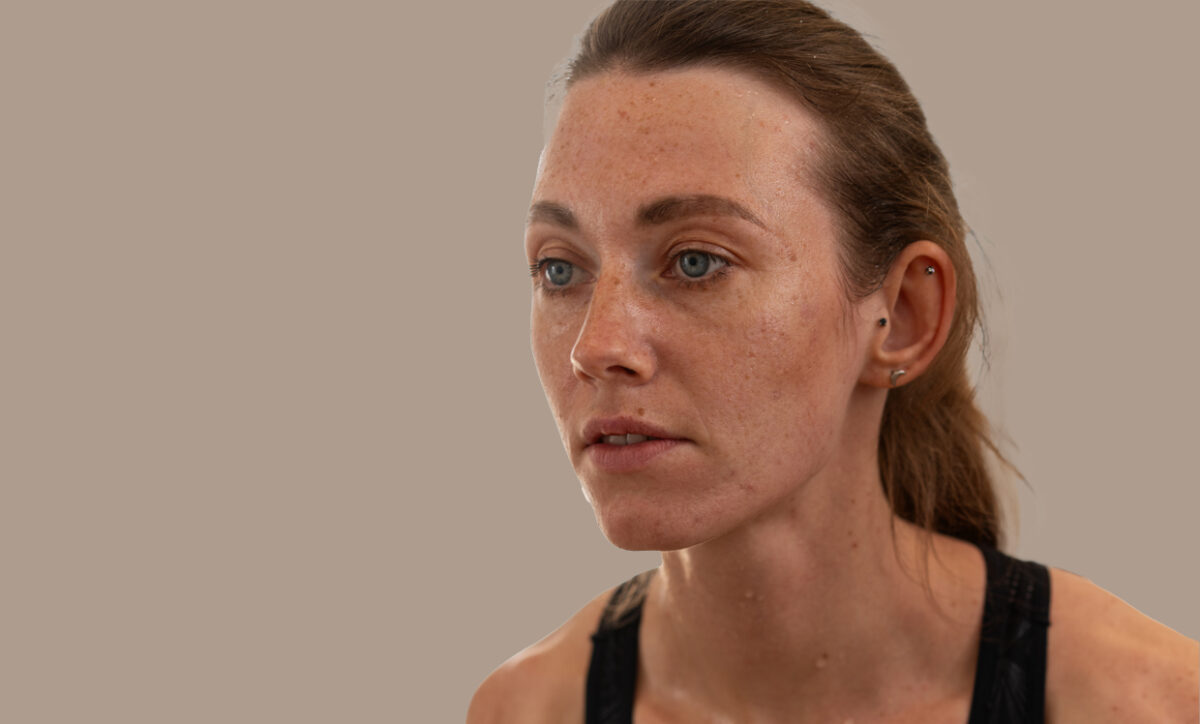
Retinol is widely celebrated for its ability to rejuvenate the skin, reduce fine lines, and combat acne. However, some people experience unexpected side effects, including their skin appearing darker rather than brighter. If you’ve noticed your skin darkening after using retinol, you’re not alone. Let’s explore the possible reasons – why is my skin getting dark after using retinol?- and what you can do to prevent it.
Increased Sun Sensitivity
Retinol accelerates cell turnover, revealing fresh, new skin. However, this new skin is highly sensitive to sunlight and more prone to damage. If you’re not diligent with sunscreen, UV exposure can lead to hyperpigmentation, making your skin appear darker.
Solution: Always apply a broad-spectrum sunscreen with at least SPF 30 every morning, even on cloudy days or when staying indoors, as UV rays can penetrate windows.
Post-Inflammatory Hyperpigmentation (PIH)
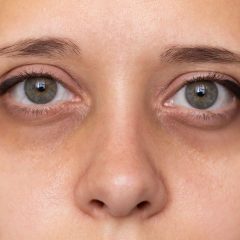
Retinol can cause irritation, redness, and peeling, especially if introduced too quickly or used in high concentrations. This irritation can trigger post-inflammatory hyperpigmentation (PIH), particularly in people with medium to darker skin tones. PIH occurs when the skin produces excess melanin as a response to inflammation, leading to dark patches.
Solution: Reduce irritation by starting with a lower concentration of retinol (e.g., 0.25% or 0.3%) and using it only 2–3 times a week before gradually increasing the frequency. Pair it with a soothing moisturiser to maintain your skin barrier.
Overuse or Improper Application
Using too much retinol or applying it too frequently can overwhelm the skin, causing irritation and making it more prone to dark spots.
Solution: Use only a pea-sized amount for the entire face and apply it to dry skin to minimise irritation. Follow up with a nourishing moisturiser to lock in hydration.
Interaction with Other Skincare Ingredients
Certain skincare ingredients, like benzoyl peroxide and strong acids (such as glycolic acid or salicylic acid), can further irritate the skin when used alongside retinol. This irritation may lead to pigmentation issues.
Solution: Avoid layering too many active ingredients. If you’re using exfoliating acids, alternate them with retinol on different nights rather than using them together.
Underlying Skin Conditions
If your skin is prone to melasma or has a history of hyperpigmentation, retinol may initially worsen the appearance of dark patches before it improves. Additionally, some individuals experience a “purging” phase where the skin becomes inflamed before showing results, which can contribute to temporary darkening.
Solution: Be patient and consistent with your routine. If the darkening persists for more than a few weeks, consider consulting a dermatologist for personalised advice.
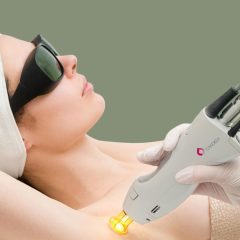
Professional Treatments to Address Darkening and Hyperpigmentation
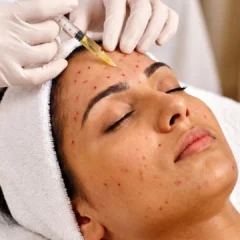
If you’re struggling with persistent darkening or uneven skin tone despite using retinol correctly, various advanced pigmentation treatments can help. Options include:
- Harmony ClearSkin – A laser treatment that targets acne, inflammation, and pigmentation issues.
- IPL by M22 – Intense Pulsed Light therapy that helps lighten pigmentation and even out skin tone.
- Cosmelan Depigmentation Peel – A professional peel designed to reduce stubborn melasma and hyperpigmentation.
- Picosure Laser – A highly effective laser that breaks down pigmentation and enhances skin clarity.
- iPixel Laser Resurfacing – A treatment that improves skin texture and reduces pigmentation by stimulating collagen production.
- ClearLift Laser Body Lightening – A non-invasive treatment to brighten and even out skin tone on the body and face.
How to Prevent Skin Darkening While Using Retinol
- Introduce retinol slowly – start with 2-3 times per week and gradually increase.
- Always wear SPF – this is crucial to prevent UV-induced pigmentation.
- Moisturise well – to keep the skin barrier strong and reduce irritation.
- Use gentle cleansers and hydrating products – avoid harsh scrubs or alcohol-based toners.
- Monitor your skin’s response – if you experience excessive irritation, take a break and reintroduce retinol gradually.
Why Is My Skin Getting Dark After Using Retinol?
Retinol is a powerful ingredient, but it requires patience and proper usage. If your skin is getting darker, it’s likely due to sun exposure, irritation, or post-inflammatory hyperpigmentation. By following a well-balanced routine and protecting your skin, you can enjoy the long-term benefits of retinol without unwanted side effects. If concerns persist, speak to our practitioners to tailor your skincare regimen to your specific needs. Treatments such as Harmony ClearSkin, IPL by M22, Cosmelan Depigmentation Peel, Picosure Pro Laser, iPixel Laser Resurfacing, and ClearLift Laser Body Lightening can provide additional support in achieving a clear, even complexion.





 Back to All Treatments
 In Clinic Consultation
 Telephone Consultation