 中文服务
中文服务







 6 Clinics Across London
 600,000 Treatments
 Free Consultation
 Award Winning Treatments
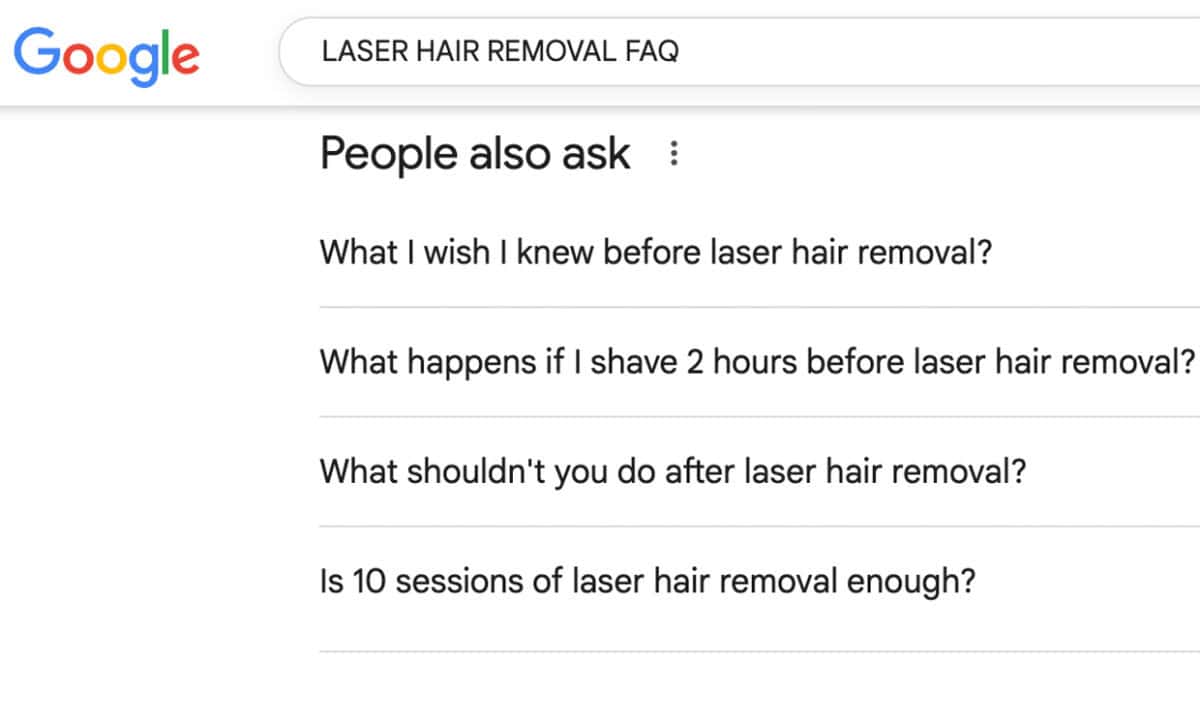
How is laser hair removal done, and what is it?
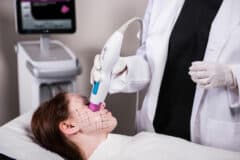
In order to have laser hair removal completed, you will have to have the area being treated shaved and cleaned before the procedure begins. During this time, you would have had an anaesthetic cream applied beforehand.
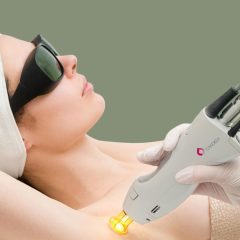
Laser hair removal machines emit a gentle beam of highly concentrated light, which passes through the skin to the hair follicle, absorbing it. The energy from the laser is transformed into heat and damages the hair follicle. This stops it from growing back, giving an effective and longer-lasting hair removal treatment.
How does it compare with electrolysis?
Electrolysis can be a painful process which destroys each hair follicle one at a time and can sometimes require re-treatment over the years. Laser hair removal treats hundreds of hair follicles simultaneously, so it is a much quicker and more effective process.
Is it for anyone?
There is now a flexibility to treat all skin types, especially darker coloured skin and those people who are tanned. Ordinarily, those people would not expect good results from laser treatment but with the addition of a CoolGlide device, fitted with a longer wavelength, all skin types and tones can receive at least a consultation.
Some machines are not fitted with this latest technology. For those people, a certain skin and hair type would be required. This is for people with light skin and dark hair, so the laser can easily differentiate between the two.
Lightly coloured hair, like blonde and red hair, is very difficult to treat, and a person would require multiple sessions for laser removal treatment with varied results.
How long is treatment?
The treatment time will depend on how large the area being treated is, along with the type of skin being treated. This means that there are varied times, and an approximate guide is shown below;
- 10-20 minutes – Shoulders
- 1½ -3 hours – Back
- 8-10 minutes – Bikini Line
- 1-2 minutes – Underarms
- 2-3 minutes – Chin
- 1½ -3 hours – Legs
- less than 1 minute – Upper lip
There will be a requirement of at least 2 or 3 treatments.
Repeated sessions?
Anagen is one of the growth stages of hair, and laser hair treatment works best when hair is at the anagen stage.
Although you may think that one session would be plenty, repeated treatments are essential if you want the best possible results, in order to catch all the hairs and remove them.
Is it Painful?
Pain will vary from person to person depending on their sensitivity; some describe only a feeling of a tingling sensation, while others don’t feel anything at all. However, some do say they feel a pinch or a stinging sensation, depending on their pain threshold.
Is it Safe?
Laser hair removal London Clinics are using FDA-approved devices, and practitioners should be trained with a recognised certificate, NVQ Level 4 . There is no residual left in the body after the treatment, unlike X-rays; therefore, this treatment is safe.
Although the skin may appear red and swollen after treatment, this will all disappear within a matter of days and in some cases, minutes. These are also very normal reactions, but if you would like to speed up the healing process, then cold packs on the treated area will help the recovery time.
What are the Results?
Hair will gradually fall out over a period of time, which is usually 2-3 months after the first treatment, and repeated sessions are required if you want all the other hairs to be removed during their stages of growth.
What about my diet?
Anyone who is on a diet before treatment will need to change their eating habits if they want the best possible results. Especially those on a high beta-carotene diet. Beta-carotene is found in carrots, squash and other vegetables with vitamin A, and it produces a yellow-looking skin which is absorbed by the laser energy. This means that an interference may occur when reaching the hair follicles. You should adjust your diet well in advance of laser hair removal treatment in order to receive optimum results.
Cost?
Again, this will all be dependent on the size of the area being treated. All treatments start from £100 and then go up from there; you can always have a consultation session with your technician to see how much a certain area would cost with no obligation to go for it.
Guaranteed results?
This will again depend on how many sessions you attend, but many people see long-lasting and good results, saying it is one of the easiest and most effective methods of hair removal on the market.





 Back to All Treatments
 In Clinic Consultation
 Telephone Consultation