 中文服务
中文服务







 6 Clinics Across London
 600,000 Treatments
 Free Consultation
 Award Winning Treatments

Laser hair removal has become an increasingly popular choice for those seeking a more permanent solution to unwanted hair. While it’s often discussed in the context of larger body areas like legs and arms, many are curious about its efficacy and safety in more sensitive areas. This blog delves into the essentials of laser hair removal for sensitive areas, providing you with the knowledge to make an informed decision.
Understanding Laser Hair Removal
Laser hair removal works by targeting the pigment (melanin) in hair follicles with concentrated light beams. This light energy is converted to heat, damaging the follicles to inhibit future hair growth. The procedure is performed over multiple sessions to catch hair at various growth stages, ensuring more effective results.
Suitability for Sensitive Areas
Sensitive areas such as the bikini line, underarms, and facial regions require special consideration due to their delicate nature. The skin here is often thinner and more prone to irritation, making it crucial to choose a professional with expertise in treating these zones.
Safety and Effectiveness
Safety Concerns
Laser hair removal London treatments are generally safe for sensitive areas when performed by a qualified practitioner. The key is to ensure the laser settings are appropriately adjusted for the specific skin type and area being treated. Common side effects include temporary redness and swelling, which typically subside within a few hours to a couple of days.
For particularly sensitive skin, practitioners might use cooling devices or topical anaesthetics to minimise discomfort during the procedure. It’s also essential to follow pre- and post-treatment care guidelines to avoid adverse reactions.
Effectiveness
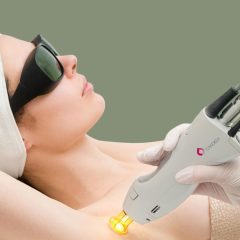
The effectiveness of laser hair removal can vary based on several factors, including hair colour, skin type, and hormonal influences. Darker hair absorbs the laser energy more effectively, making the treatment more efficient for individuals with darker hair and lighter skin. However, advancements in laser technology like the ones we use in our Clinic Candela Gentlemax Pro Alexandrite and Nd: Yag have made it possible to treat a wider range of skin tones and hair colours with varying degrees of success.
Preparing for the Procedure
Before undergoing laser hair removal, a free consultation with our certified specialist is imperative. Our practitioner will assess your skin type, hair characteristics, and medical history during this session to tailor the treatment plan.
Pre-treatment instructions typically include:
- Avoiding Sun Exposure: Tanned skin can increase the risk of side effects.
- Shaving the Area: This ensures the laser targets the hair follicle directly.
- Skipping Other Hair Removal Methods: Refrain from waxing or plucking, as these can interfere with the treatment process.
The Procedure
The actual procedure is relatively quick, depending on the area being treated. During the session, you may feel a slight stinging sensation as the laser pulses are administered. Some describe the feeling as similar to a rubber band snapping against the skin. The duration of each session can range from a few minutes for small areas like the upper lip to an hour for larger regions.
Post-Treatment Care
Proper aftercare is crucial to minimise side effects and ensure optimal results. Key post-treatment care tips include:
- Avoiding Sun Exposure: Protect the treated area with sunscreen to prevent hyperpigmentation.
- Using Gentle Skincare Products: Avoid harsh chemicals or exfoliants that can irritate the skin.
- Applying Cool Compresses: These can help reduce redness and swelling.
Long-Term Results
Most individuals require a series of 6-8 treatments spaced several weeks apart to achieve the desired results. After completing the initial treatment series, maintenance sessions may be necessary to manage any regrowth. The longevity of results varies, but many experience significant hair reduction for months or even years.
Laser hair removal for sensitive areas is a viable option for those seeking a long-term solution to unwanted hair. By understanding the procedure, preparing adequately, and adhering to post-treatment care, you can achieve smoother skin with minimal discomfort. Always consult with our qualified professional to ensure the treatment is tailored to your specific needs and skin type, ensuring the best possible outcome.





 Back to All Treatments
 In Clinic Consultation
 Telephone Consultation