 中文服务
中文服务







 6 Clinics Across London
 600,000 Treatments
 Free Consultation
 Award Winning Treatments

Deciding the right time for your daughter to begin hair removal can be a delicate issue. As children transition into adolescence, they often become more conscious of their appearance and may express a desire to remove unwanted body hair. It’s crucial to navigate this topic with care, ensuring that your daughter’s choice to start hair removal is informed and age-appropriate.
Understanding the Desire for Hair Removal
Many young girls experience an increase in body hair during puberty, which can lead to feelings of self-consciousness and the desire to conform to societal beauty standards. While it’s natural for them to want to remove hair to feel more confident, it’s important to discuss their motivations and expectations to ensure they are making a decision for themselves rather than succumbing to peer pressure or unrealistic ideals.
Ethical Considerations
Laser hair removal London Clinics usually permits treatments for individuals aged 18 and over. This restriction is in place due to the potential risks and the need for a mature understanding of the procedure and its long-term effects. It’s vital to adhere to these to protect your daughter’s health and safety. However, other less permanent hair removal methods are available for younger teens who are eager to start.
Temporary Hair Removal Options
For younger girls, there are several safe and effective hair removal methods to consider:
- Shaving: This is the most common and accessible method for hair removal. While it is easy to perform and inexpensive, it does require regular maintenance as hair tends to grow back quickly. Shaving is generally recommended for areas like the legs and underarms.
- Depilatory Creams: These creams dissolve the hair at the skin’s surface and can be a good option for painless hair removal. However, it’s essential to perform a patch test to check for any allergic reactions and follow the instructions carefully to avoid skin irritation.
- Waxing: This method removes hair from the root, providing longer-lasting results than shaving or creams. It can be performed at home or in a salon and is suitable for areas like the legs, arms, and bikini line. Choosing a reputable salon or using high-quality waxing kits is important to minimise the risk of burns or irritation.
- Epilators: These handheld devices pull hair out from the root, similar to waxing. While they can be more painful, they offer a more long-lasting solution. Epilators can be used on various body parts, but they require a certain level of pain tolerance and practice to avoid skin damage.
- Threading: Ideal for facial hair, threading is a precise method that involves using a twisted thread to remove hair from the follicle. It is typically performed by professionals and is a good choice for maintaining eyebrow shape or removing upper lip hair.
Preparing for Future Hair Removal Options
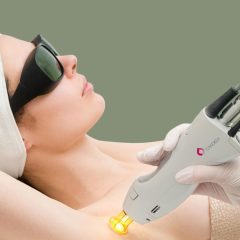
While your daughter may have to wait until she turns 18 for laser hair removal, it can be helpful to educate her about the procedure and its benefits for long-term hair reduction. Laser hair removal targets hair follicles to reduce hair growth permanently. It’s particularly beneficial for those with darker hair and lighter skin, but advancements in technology have made it more effective for a broader range of skin tones and hair types.
Navigating the Conversation
When discussing hair removal with your daughter, it’s crucial to:
- Listen to Her Concerns: Understand her reasons for wanting to remove hair and validate her feelings.
- Educate: Provide information about different hair removal methods and their pros and cons.
- Set Realistic Expectations: Discuss the importance of consistent upkeep with temporary methods and the long-term commitment required for laser hair removal.
- Promote Body Positivity: Encourage a healthy body image and the understanding that hair removal is a personal choice, not a necessity.
By approaching the topic thoughtfully and ensuring that your daughter is informed and comfortable with her decision, you can help her navigate this aspect of personal grooming in a safe and age-appropriate manner. Remember, the goal is to support her in feeling confident and happy with her appearance, whether she chooses to remove hair or not.











 Back to All Treatments
 In Clinic Consultation
 Telephone Consultation