 中文服务
中文服务







 6 Clinics Across London
 600,000 Treatments
 Free Consultation
 Award Winning Treatments
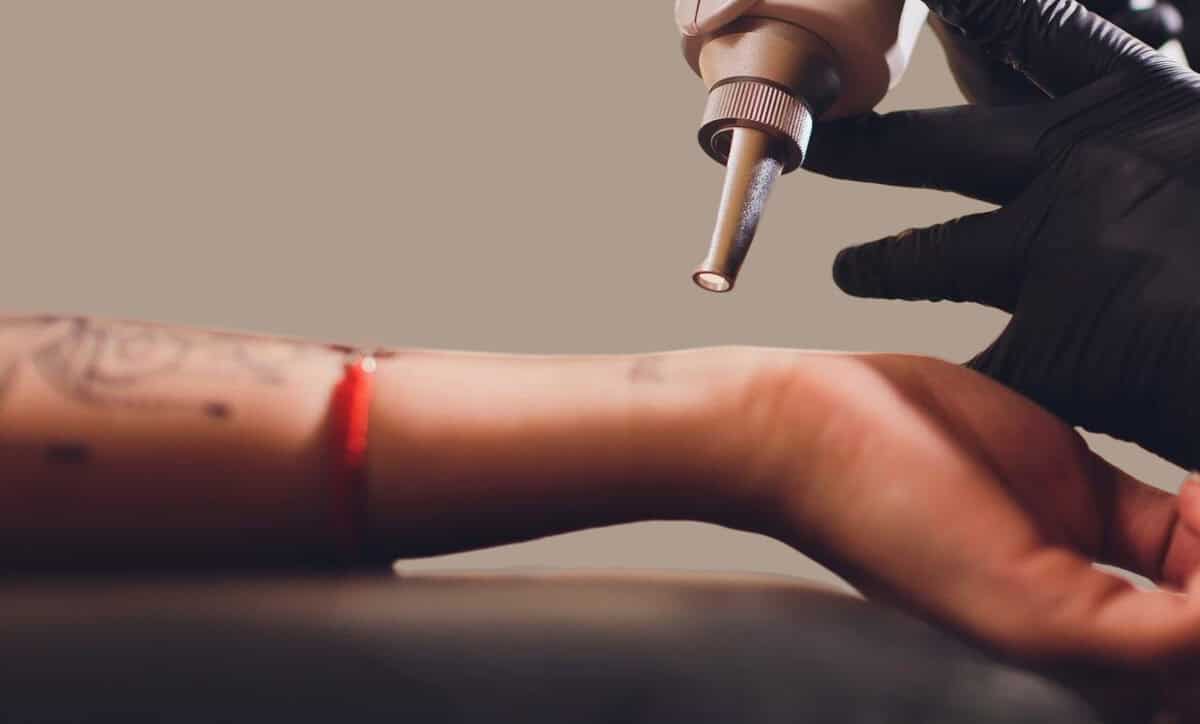
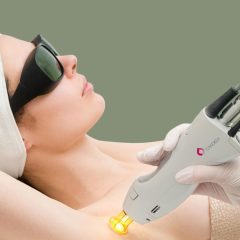
If you’re searching for medical tattoo removal in London, you’re likely looking for something more advanced than standard beauty-based laser services. Tattoo removal is a medical-grade procedure that requires precision technology, proper training and careful skin assessment. When performed correctly using high-powered laser systems such as PicoSure Laser and Q-Switched lasers, it can safely fade or remove unwanted ink while protecting the surrounding skin.
Understanding the difference between medical tattoo removal and basic laser treatments is essential before beginning your journey.
What Makes Tattoo Removal “Medical”?
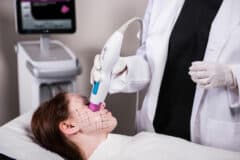
Medical tattoo removal refers to treatment carried out using regulated, high-performance laser platforms within a clinical setting. It involves detailed consultation, assessment of skin type, review of medical history and a structured treatment plan.
Unlike older cosmetic lasers, modern systems such as PicoSure Pro use picosecond pulse technology to break ink into extremely fine particles. This allows the body’s lymphatic system to clear pigment more efficiently, often with fewer sessions and less heat-related damage.
Q-Switched lasers, which operate in nanoseconds, have been used successfully for many years and remain effective for certain ink colours and skin types. They deliver controlled bursts of energy to fragment pigment safely. When used appropriately, they are reliable and clinically proven.
Having access to both technologies allows treatments to be tailored rather than one-size-fits-all.
PicoSure Pro vs Q-Switched: Why Technology Matters
PicoSure Pro delivers ultra-short pulses that create a photomechanical effect rather than relying primarily on heat. This means ink is shattered more precisely, often leading to faster fading of stubborn colours such as blue and green. It also reduces the risk of excessive thermal injury, which is important for minimising pigmentation changes.
Q-Switched lasers remain particularly effective for darker inks such as black and navy, and in some cases may be selected depending on the tattoo’s depth and composition.
A clinic offering both systems can adjust laser tattoo removal treatment depending on the ink type, tattoo age, layering and skin tone. This flexibility improves outcomes and safety.
How Many Sessions Will I Need?
Tattoo removal is a gradual process. Most professional tattoos require multiple sessions spaced six to eight weeks apart. Factors that influence session numbers include ink density, colour range, skin type and tattoo location.
Black ink generally fades fastest. Colours such as green, turquoise, red and yellow can take longer and may require a combination of wavelengths. During your consultation, a realistic treatment plan is outlined based on these variables.
Is Medical Tattoo Removal Safe?
When performed using advanced laser systems and by properly qualified practitioners, medical tattoo removal has a strong safety profile. Temporary redness, swelling and mild blistering can occur, but serious complications are uncommon when protocols are followed correctly.
Skin assessment is particularly important for darker skin tones, recently tanned skin or individuals prone to pigmentation. Medical-grade treatment ensures settings are adapted appropriately.
Why Choose a Clinical Approach in London?
London offers many tattoo removal providers, but medical settings stand apart due to regulated equipment, structured consultations and practitioner training. Access to both PicoSure Pro and Q-Switched technology ensures your treatment is selected based on clinical judgement rather than equipment limitations.
Tattoo removal is not about rushing the process. It is about controlled, progressive fading that protects the integrity of your skin.
A Personalised Approach to Medical Tattoo Removal London
If you’re considering medical tattoo removal London, choosing a clinic that offers both PicoSure Pro and Q-Switched lasers allows your treatment to be fully customised. With the right technology and expertise, tattoos can fade significantly, and in many cases, almost completely, while maintaining skin health.




 Back to All Treatments
 In Clinic Consultation
 Telephone Consultation