 中文服务
中文服务







 6 Clinics Across London
 600,000 Treatments
 Free Consultation
 Award Winning Treatments

Stretch marks are a common skin concern, affecting individuals of all ages and body types. Whether due to growth spurts, pregnancy, weight changes, or muscle building, stretch marks can leave long-lasting impressions on the skin. Although they’re completely natural and harmless, many people seek ways to reduce their appearance. Microneedling, a procedure that has gained popularity in recent years, is now being used not just for facial rejuvenation but also as a promising treatment for stretch marks. Here, we explore how microneedling works on stretch mark removal, its effectiveness, what results you can expect, and essential considerations before starting treatment.
What is Microneedling?
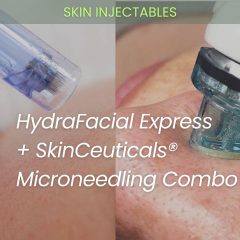
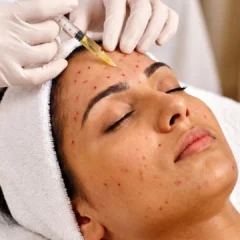
Microneedling, also known as collagen induction therapy, involves using tiny, fine needles to create micro-injuries in the skin. This controlled process stimulates the body’s natural healing response, leading to increased production of collagen and elastin—two key proteins responsible for skin firmness and elasticity. By encouraging the skin to repair itself, microneedling can improve skin texture, tone, and appearance, making it an ideal option for treating various skin issues, including acne scars removal, fine lines, hyperpigmentation treatment and, more recently, stretch marks.
Why Use Microneedling for Stretch Marks?
Stretch marks, or striae, form when the skin stretches or shrinks rapidly, causing the collagen and elastin fibres in the dermis to tear. This results in lines or streaks on the skin that can initially appear red, purple, or dark brown before gradually fading to a lighter tone. Unlike superficial skin treatments, dermapen microneedling works deeper within the skin, targeting the damaged tissue directly in the dermis. By boosting collagen production in these areas, microneedling can help remodel the skin and improve the texture and colour of stretch marks over time.
Key Benefits of Microneedling for Stretch Marks
- Non-Invasive and Minimal Downtime: Unlike more invasive procedures, such as laser treatments, microneedling requires minimal recovery time, making it a convenient option for those with busy schedules.
- Natural Collagen Production: Microneedling stimulates the body’s own collagen, creating a more natural-looking improvement in the appearance of stretch marks without relying on artificial fillers or substances.
- Suitable for Most Skin Types: Microneedling is generally safe for a wide range of skin tones and types, although it’s essential to consult a professional to determine if it’s right for you.
Effectiveness of Microneedling on Stretch Marks
The effectiveness of microneedling on stretch marks largely depends on factors like the age, colour, and depth of the stretch marks, as well as individual skin characteristics. Generally, older, faded stretch marks are more challenging to treat compared to newer, darker marks, as they have less active collagen and blood flow. However, microneedling can still be effective in softening and smoothing older stretch marks, making them less noticeable.
Studies and clinical feedback suggest that microneedling can lead to a significant reduction in stretch mark depth and colour after multiple sessions. Most people need between three to six sessions, spaced four to six weeks apart, to see visible results. Patience is crucial, as improvements are gradual, with skin texture and colour continuing to improve for months after each session as collagen production increases.
What to Expect During and After Treatment
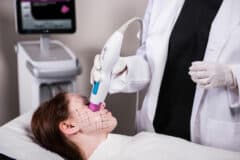
Microneedling is a relatively quick procedure, typically taking 30 to 60 minutes, depending on the area treated. A topical numbing cream is often applied beforehand to minimise discomfort. During the procedure, a microneedling device is passed over the stretch marks, creating tiny punctures that may cause slight redness and sensitivity similar to mild sunburn.
Post-treatment, it’s common to experience minor swelling and tenderness, which usually subsides within a day or two. Following your practitioner’s aftercare advice is essential, which typically includes gentle cleansing, sun protection, and avoiding harsh skincare products for a few days. Most people find that these side effects are manageable, allowing them to return to regular activities soon after each session.
Realistic Expectations for Microneedling Results
While microneedling can significantly improve the appearance of stretch marks, it’s important to set realistic expectations. This treatment doesn’t entirely remove stretch marks but can soften and fade them, making them less prominent. The results vary from person to person, with some achieving near-invisible stretch marks and others experiencing only moderate improvements.
For the best outcome, consistency is key. Multiple sessions are typically needed, and many individuals choose to complement microneedling with other treatments, like topical retinoids or vitamin C serums, to maximise results. Consulting with our practitioners can help tailor a treatment plan to your skin type and stretch mark characteristics.
Is Microneedling Right for You?
Microneedling can be a great option for those looking to reduce the appearance of stretch marks without resorting to more invasive procedures. It’s generally safe, effective, and suitable for most skin types, making it accessible to a broad range of individuals. However, it’s essential to understand that results are gradual, and the degree of improvement varies.
If you’re considering microneedling for stretch marks, consulting with a dermatologist or licensed skincare specialist is the best first step. They can assess your skin, discuss your goals, and provide a realistic outlook on what microneedling can achieve. With patience and the right approach, microneedling offers a promising path to smoother, more even-toned skin, helping you feel more confident in your appearance.



 Back to All Treatments
 In Clinic Consultation
 Telephone Consultation