 中文服务
中文服务







 6 Clinics Across London
 600,000 Treatments
 Free Consultation
 Award Winning Treatments

Folliculitis, a common skin condition characterised by the inflammation of hair follicles, can be both uncomfortable and challenging to manage. Often caused by bacteria, fungi, or physical irritation, folliculitis appears as red, itchy bumps around hair follicles, resembling acne or a rash. While mild cases may resolve independently or with simple treatments, chronic folliculitis can become a persistent concern. One emerging solution for long-term relief is laser hair removal. In recent years, laser hair removal has gained popularity not just for cosmetic purposes, but also for its therapeutic potential in managing folliculitis. This article explores the role of laser hair removal in managing folliculitis, its effectiveness, potential drawbacks, and what to consider before choosing this treatment.
Understanding Folliculitis and Its Causes
Folliculitis occurs when hair follicles are damaged or infected, leading to inflammation. It can affect any area with hair but is most common on the legs, arms, buttocks, and beard areas in men. The causes are varied and may include:
- Bacterial infections, especially from Staphylococcus aureus.
- Fungal infections, such as yeast, in warm, moist environments.
- Irritation from shaving or friction caused by clothing.
- Ingrown hair is a common issue for those with curly or coarse hair.
For many, this condition is temporary and can be resolved with over-the-counter treatments. However, those with recurring folliculitis may need a more effective, long-term solution, especially if it impacts their quality of life or confidence. Here, laser hair removal presents itself as a compelling option.
The Role of Laser Hair Removal in Managing Folliculitis
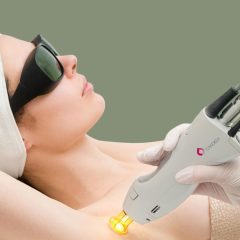
Laser hair removal London methods use concentrated light energy to target the pigment in hair follicles. The light is absorbed by the melanin in the hair, which converts it into heat, effectively damaging the follicle to the point where it can no longer support hair growth. With reduced hair in the area, there are fewer opportunities for folliculitis to recur, as the factors contributing to hair follicle irritation—shaving, friction, and ingrown hairs—are significantly diminished.
Key Benefits of Laser Hair Removal for Folliculitis
- Ingrown Hair Treatment: Ingrown hairs are a frequent cause of folliculitis, particularly in areas where people shave regularly, such as the face, legs, and bikini line. Laser hair removal men treatments permanently reduces hair, lowering the risk of ingrown hairs and, consequently, folliculitis.
- Minimises Follicle Irritation: By reducing the density of hair in certain areas, laser hair removal lessens the friction between hair follicles and clothing, decreasing the chances of irritation and inflammation.
- Targets Hair Growth at Its Source: Unlike other methods, laser hair removal acts directly on the hair follicle, providing a lasting solution to hair regrowth and, therefore, reducing the likelihood of recurring folliculitis.
- Long-Term Results: While waxing and shaving can cause frequent irritation, laser hair removal offers a more lasting solution. After an initial series of sessions, many people find that they only need occasional maintenance treatments, making it a sustainable choice for chronic folliculitis sufferers.
Considerations and Potential Drawbacks
While laser hair removal can be effective for managing folliculitis, it may not be suitable for everyone. Here are some factors to consider:
- Skin and Hair Colour: Laser hair removal works best for individuals with light skin and dark hair, as the laser targets melanin in the hair. Recent technological advancements, however, have improved options for those with dark to very dark skin tones, but it won’t be effective for people with red, white, or blond hair.
- Possible Side Effects: Temporary redness, swelling, or discomfort may occur after each session, particularly in sensitive areas. Consulting with a qualified professional can help minimise these risks.
- Cost and Time: Laser hair removal requires multiple sessions, typically spaced several weeks apart, to achieve optimal results. Although effective, it can be a considerable financial and time investment.
What to Expect During Treatment
If you’re considering laser hair removal to manage folliculitis, consulting with our practitioners is essential. They can assess whether your skin and hair type are suitable for the procedure and explain how many sessions you may need. Most people undergo six to eight sessions initially, though this can vary depending on the thickness and growth rate of the hair.
During each session, the laser is applied to the affected areas, which may cause a mild stinging sensation. It’s common to experience slight redness or tenderness post-treatment, but this usually subsides within a few hours. As the hair follicles become progressively damaged, you’ll notice a reduction in hair growth and a corresponding decrease in folliculitis episodes.
Is Laser Hair Removal Right for You?
For individuals struggling with chronic folliculitis, laser hair removal provides a promising solution. By reducing hair growth in affected areas, this treatment addresses a significant cause of folliculitis and offers long-term relief. However, it’s essential to consider factors like skin and hair type, cost, and potential side effects before committing. Consulting with our practitioners can provide the personalised guidance needed to make an informed decision.
In conclusion, laser hair removal is no longer just a cosmetic procedure but an effective therapeutic option for those dealing with folliculitis. As technology continues to improve, more individuals can find relief from this persistent condition, helping them feel more comfortable and confident in their skin.








 Back to All Treatments
 In Clinic Consultation
 Telephone Consultation