 中文服务
中文服务







 6 Clinics Across London
 600,000 Treatments
 Free Consultation
 Award Winning Treatments

You look… tired. Even after a night’s rest. Even after a relaxing, restful vacation. Dark circles under your eyes make you look exhausted, older and less vibrant.
- But what exactly are they?
- What causes them?
- And most importantly, how do you erase them from your face?
What are Dark Circles?
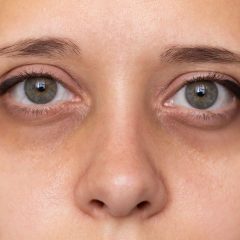
Throughout most of your body, the skin is about 2 mm thick. Under the eyes, however, it is only 0.5 mm. Periorbital dark circles occur when the skin below the eyes shows blood vessels and pools. If you have light or fair skin, the contrast is more striking – that is, the circles are darker.
They appear bluish in people with fair complexions because the skin only allows in the blue wavelength of light. So essentially, dark under eye circles reflect the light from the blood under this thin skin.
We associate dark circles with lack of sleep; this is because this slows circulation and blood is allowed to pool.
Exacerbating the problem, as we age, our skin loses elasticity and becomes thinner. This creates the appearance of deep circles. You may also blame your family: genes play a large role in whether or not you are prone to these blemishes.
Effective Treatments for Dark Circles
Fortunately, there are great treatment options for those struggling with dark under eye circles. Our recommendations:
combining microneedling with radiofrequency, this treatment stimulates the production of collagen and assists in plumping and firming skin. The thin skin under the eyes becomes more full and less able to reflect blue light.
puffiness or “bags” often accompany dark circles. Dermal fillers work to retain lost volume under the eyes, resulting in brighter, more youthful eyes.
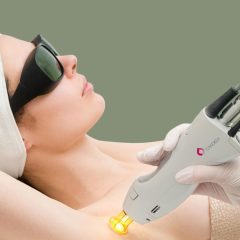
this technique works by penetrating beyond the surface of the skin to prompt cell regrowth. The gentle heat targets the connective tissue, allowing it to contract and lift.
Mystery solved! The only question left is which treatment is right for you. Book your consultation to find out.









 Back to All Treatments
 In Clinic Consultation
 Telephone Consultation