 中文服务
中文服务







 6 Clinics Across London
 600,000 Treatments
 Free Consultation
 Award Winning Treatments

You may have heard the term cropping up in skincare clinics or across social media, but what are polynucleotides in aesthetics? These innovative treatments are generating buzz for their ability to improve skin quality in a way that goes deeper than surface-level hydration or volume. Let’s break down what they are, how they work, and why they’re gaining popularity.
Polynucleotides Explained
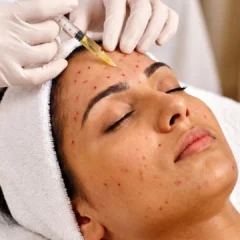
Polynucleotides are chains of nucleotides – the building blocks of DNA – derived from natural sources, often salmon DNA. In aesthetic treatments, these molecules are purified and injected into the skin to stimulate regeneration. Unlike traditional dermal fillers, which focus on adding volume, polynucleotides work by encouraging the body’s own repair processes.
Once introduced into the skin, they help improve tissue quality by:
- Stimulating fibroblasts (cells that produce collagen and elastin)
- Enhancing hydration
- Improving texture and tone
- Reducing inflammation
This makes them especially useful in treating tired, damaged, or ageing skin.
How Are They Used in Aesthetics?
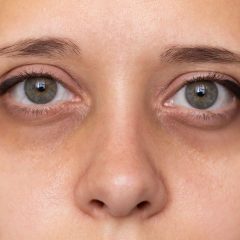
In the world of aesthetics, polynucleotides are often used as part of a skin-rejuvenation protocol. They’re particularly effective in areas with delicate or thin skin such as under the eyes, the neck, or hands. Many people turn to polynucleotide treatments for concerns like fine lines, dullness, mild scarring, or early signs of ageing.
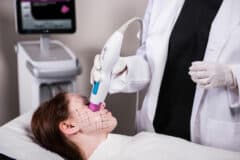
These treatments are typically delivered through a series of injections spaced a few weeks apart, allowing for cumulative improvement in skin quality over time. The results are subtle, natural-looking, and progressive, making them popular with those who want to look fresher without dramatic changes.
Are Polynucleotides the Same as Fillers?
Not quite. While both involve injections, polynucleotides are not designed to fill or add volume. Instead, they focus on healing and improving the skin’s foundation. Some people choose to combine them with other treatments like hyaluronic acid fillers or skin boosters for a more comprehensive result.
What Are Polynucleotides in Aesthetics? Final Thoughts
So, what are polynucleotides in aesthetics? In simple terms, they are regenerative treatments that work from within, helping to rebuild and refresh the skin by tapping into your body’s natural ability to repair itself. Ideal for those looking to address signs of ageing or improve skin health in a gentle, natural way, polynucleotides are proving to be a valuable addition to modern aesthetic care.



 Back to All Treatments
 In Clinic Consultation
 Telephone Consultation