 中文服务
中文服务







 6 Clinics Across London
 600,000 Treatments
 Free Consultation
 Award Winning Treatments
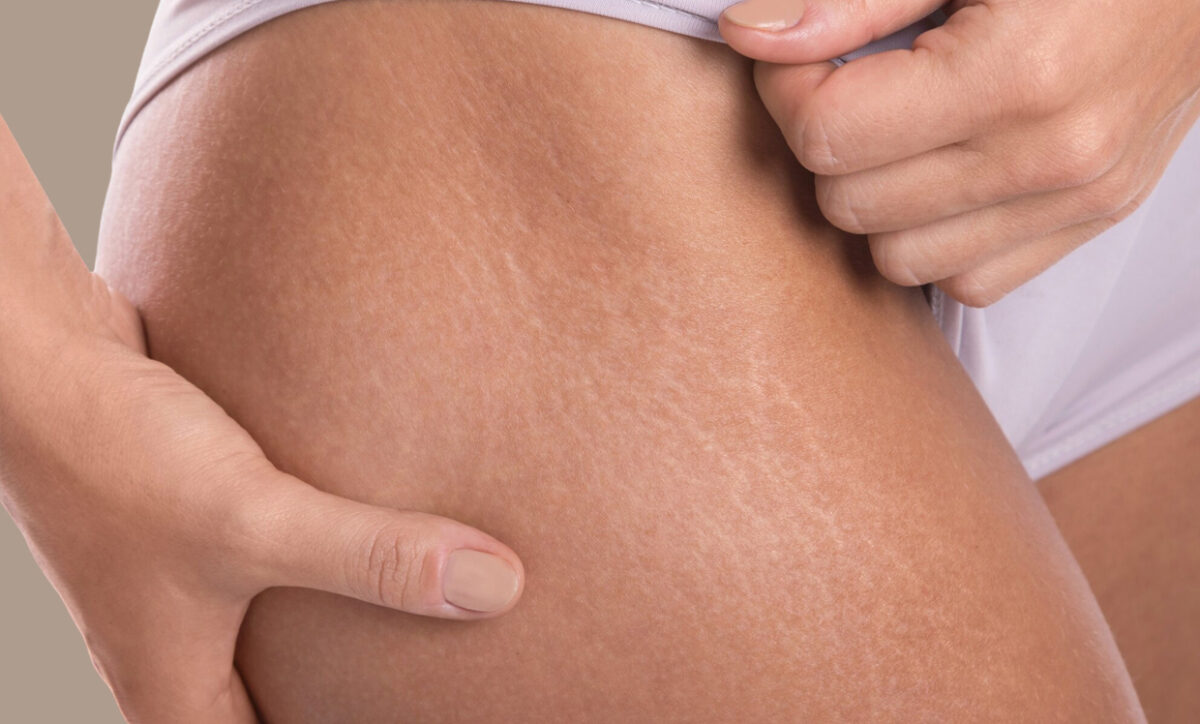
Stretch marks are incredibly common and can appear at different stages of life — yet many people feel self-conscious about them. If you’re wondering why am I full of stretch marks? you’re not alone. Understanding what causes them is the first step towards finding the most effective treatments to improve their appearance and boost your confidence.
In this guide, we’ll explore why stretch marks form, the factors that contribute to them, and the advanced options available to help reduce their visibility.
What Are Stretch Marks?
Stretch marks, or striae, are a type of scar that develops when the skin is stretched rapidly. This sudden stretching causes the collagen and elastin fibres in the skin to tear, leading to thin, indented lines that can vary in colour from red and purple to white or silver as they mature.
They commonly occur on areas like the stomach, thighs, hips, breasts, and arms — but they can develop anywhere the skin experiences rapid stretching.
Common Causes of Stretch Marks
Several factors can contribute to the development of stretch marks, including:
- Growth spurts: Common during adolescence.
- Pregnancy: Rapid expansion of the abdomen and hormonal changes play a role.
- Weight fluctuations: Both rapid weight gain and loss can trigger stretch marks.
- Genetics: If your family members have stretch marks, you’re more likely to develop them too.
- Hormonal changes: Increased levels of cortisol can weaken skin’s elastic fibres.
- Muscle building: Rapid increases in muscle mass can stretch the skin.
If you’re noticing stretch marks appearing suddenly or in large numbers, it’s likely linked to one or more of these factors. Genetics and hormones often determine not just whether you’ll get stretch marks, but how visible they are.
Can Stretch Marks Be Prevented?
While maintaining healthy, gradual changes in body weight and keeping the skin hydrated may help minimise the risk, there’s no guaranteed way to prevent stretch marks entirely. Some skin types are simply more prone to developing them due to genetic or hormonal factors.
What Are the Best Treatments for Stretch Marks?
Although stretch marks are permanent once formed, various treatments can significantly reduce their appearance, improving skin texture and tone. Here are some of the most effective options for stretch mark removal:
1. Morpheus8
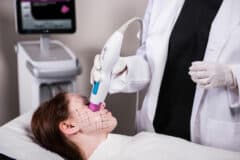
Morpheus8 combines microneedling with radiofrequency energy to remodel the skin’s underlying layers. It stimulates collagen and elastin production, improving the texture and firmness of the skin over time.
For stretch marks, Morpheus8 can make the skin appear smoother and reduce the depth and colour of the marks. Results are gradual but long-lasting, with minimal downtime.
2. Microneedling
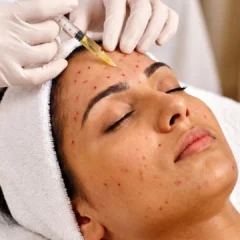
Microneedling, sometimes known as collagen induction therapy, uses tiny needles to create micro-injuries in the skin, prompting the body’s natural healing process and encouraging the production of collagen.
When it comes to stretch marks, microneedling helps to rebuild the damaged collagen and can fade the marks over a series of treatments. It’s particularly effective for newer (red or purple) stretch marks but can also improve older ones.
3. iPixel Skin Resurfacing
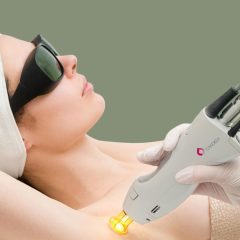
iPixel is a fractional laser treatment that resurfaces the skin by creating tiny thermal zones, promoting collagen remodelling and new skin growth. This method is excellent for targeting textural irregularities like stretch marks, helping the skin appear smoother and more even-toned.
While results vary depending on the age and severity of the stretch marks, many clients notice a significant improvement in the overall appearance and feel of their skin.
Which Treatment Is Right for You?
Choosing the best treatment depends on several factors, including:
- The age and colour of the stretch marks
- Your skin type and sensitivity
- The area of the body being treated
- How quickly you want to see improvements
At our Clinics, our experienced practitioners offer personalised consultations to assess your skin and recommend the most suitable approach. Often, combining treatments can deliver the most comprehensive results.
How Long Does It Take to See Results?
Stretch mark treatments typically require multiple sessions spaced several weeks apart for the best outcomes. While some improvement can often be seen after the first few treatments, optimal results usually become more noticeable after a few months as new collagen forms and matures.
Looking After Your Skin Post-Treatment
After treatment, it’s important to care for your skin properly to maintain results:
- Keep the area hydrated with a gentle, fragrance-free moisturiser.
- Avoid sun exposure and use a broad-spectrum SPF.
- Follow all aftercare advice provided by your practitioner.
Managing Stretch Marks
So, why am I full of stretch marks? Factors like growth, hormonal changes, and genetics play a major role — and while you may not be able to prevent them entirely, you can certainly improve their appearance. Advanced treatments like Morpheus8, Microneedling, and iPixel Skin Resurfacing offer real solutions for smoother, more even-looking skin.


 Back to All Treatments
 In Clinic Consultation
 Telephone Consultation