 中文服务
中文服务







 6 Clinics Across London
 600,000 Treatments
 Free Consultation
 Award Winning Treatments
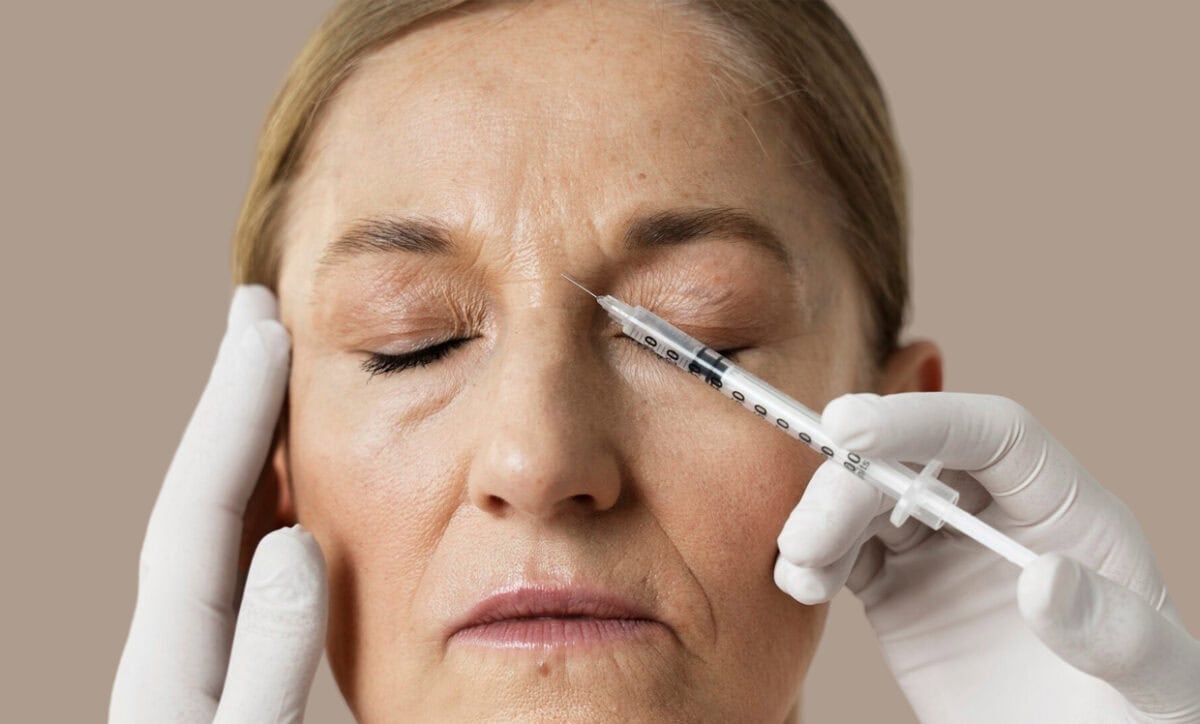
As aesthetic treatments become more advanced, many people are exploring ways to combine different therapies for enhanced results. One question that often comes up is: can you have anti-wrinkle injections and polynucleotides together?
The short answer is — yes, you can, and when done correctly, combining these treatments can offer a powerful synergy for smoother, healthier, more rejuvenated skin. Let’s take a closer look at how they work individually and why combining them might be the best approach for your skin goals.
What Are Anti-Wrinkle Injections?
Anti-wrinkle injections are one of the most popular non-surgical treatments for reducing fine lines and wrinkles. They work by temporarily relaxing the muscles responsible for expression lines, particularly around the forehead, eyes, and mouth.
By softening muscle activity, anti-wrinkle injections smooth out existing lines and help prevent new ones from forming. The result is a fresher, more youthful appearance, with treatments typically lasting three to four months before a top-up is needed.
What Are Polynucleotides?
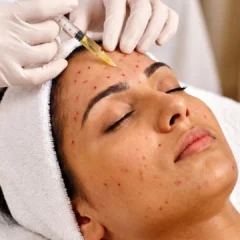
Polynucleotides are an exciting innovation in regenerative aesthetics. Derived from highly purified Salmon DNA fragments, they work differently from dermal fillers or anti-wrinkle injections. Polynucleotides stimulate the skin’s natural repair processes, boosting collagen and elastin production and improving skin quality at a cellular level.
Rather than simply addressing wrinkles or volume loss, polynucleotides target skin health more broadly, improving hydration, texture, and elasticity. This makes them ideal for anyone looking for a natural, regenerative approach to skin ageing.
Can You Have Anti-Wrinkle Injections and Polynucleotides Together?
Absolutely. In fact, combining anti-wrinkle injections and polynucleotides can be a highly effective strategy for comprehensive facial rejuvenation.
- Anti-wrinkle injections address dynamic lines caused by muscle movement.
- Polynucleotides work on the skin itself, improving tone, texture, and elasticity.
Used together, these treatments tackle ageing on multiple fronts: reducing muscle activity to smooth wrinkles, while encouraging the skin to heal and regenerate naturally. The result is not only fewer lines but also healthier, firmer, and more radiant skin.
Many clients at our Clinics choose to combine these treatments during the same visit or space them a few weeks apart, depending on individual skin needs and goals.
Are There Benefits to Combining the Two Treatments?
Yes — combining treatments can deliver enhanced, more natural-looking results compared to using either treatment alone. Some key benefits include:
- Holistic rejuvenation: Treats both surface skin quality and deeper muscle-related wrinkles.
- Improved skin texture: Polynucleotides enhance hydration and repair damaged skin.
- Long-term skin health: Stimulates collagen and elastin for ongoing improvement.
- Customised treatment plans: Tailored to your specific ageing concerns.
By addressing both the muscles and the skin itself, you create a multi-dimensional approach to anti-ageing that’s difficult to achieve with a single treatment alone.
Is It Safe to Combine Anti-Wrinkle Injections and Polynucleotides?
Yes, when performed by an experienced practitioner, it is entirely safe to combine these treatments. At our Clinics, all procedures are carried out by trained professionals who assess your skin carefully and customise treatment plans to suit your individual needs.
It’s important to have a thorough consultation to determine the best timing and combination strategy for you. Sometimes, treatments may be done during the same appointment, while in other cases, a short gap between procedures might be recommended to maximise results and comfort.
How Soon Will I See Results?
Anti-wrinkle injections: Typically, results become visible within 3 to 7 days, with full effects at around two weeks.
Polynucleotides: Improvements in skin quality develop gradually over several weeks, as collagen and elastin production increase.
When combined, you can expect to see both immediate improvements in wrinkles and gradual enhancements in skin texture and firmness over time, offering a refreshed, youthful appearance that continues to improve.
Combining Treatments for Optimal Skin Health
So, can you have anti-wrinkle injections and polynucleotides together? The answer is yes, and the combination can deliver powerful, natural-looking rejuvenation. By targeting both muscle movement and skin health, you achieve smoother, firmer, and more radiant skin that lasts.



 Back to All Treatments
 In Clinic Consultation
 Telephone Consultation