 中文服务
中文服务







 6 Clinics Across London
 600,000 Treatments
 Free Consultation
 Award Winning Treatments

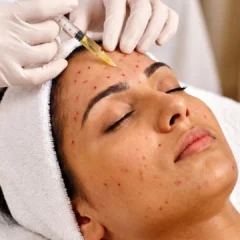
Microneedling has long been a favourite treatment for improving skin texture, boosting collagen, and softening the signs of ageing. Recently, pairing microneedling with exosome therapy has taken results to the next level. If you’ve just had this combination treatment — or are considering it — you might be wondering: how long to leave exosomes on after microneedling?
In this guide, we’ll explain how exosomes work, why they’re applied post-microneedling, and the best practices for aftercare to ensure you get the most out of your treatment.
What Are Exosomes?
Plant-based exosomes are tiny vesicles derived from botanical sources, designed to deliver natural active ingredients deep into the skin. They help support hydration, skin renewal, and overall skin health by transporting antioxidants, lipids, and growth factors found in plants.
When applied after microneedling, these exosomes take advantage of the microchannels created during treatment, enhancing absorption and boosting the skin’s natural recovery and rejuvenation processes..
Why Use Exosomes After Microneedling?
Microneedling alone is highly effective at stimulating the skin’s natural healing process. However, when paired with exosomes, the regenerative effect is significantly enhanced. Exosomes encourage faster recovery, reduce inflammation, and maximise the production of collagen and elastin.
Clients often find that skin heals more quickly, redness subsides faster, and overall results are more visible when exosomes are incorporated into their microneedling treatment.
How Long to Leave Exosomes on After Microneedling?
After your microneedling session, exosomes are typically applied and gently massaged into the skin. It’s crucial to leave them on the skin for at least 12 to 24 hours to allow the active ingredients to penetrate fully and exert their regenerative effects.
During this period, it’s important not to wash your face or apply any additional products that could interfere with absorption. Allowing the exosomes to remain undisturbed ensures maximum benefits and promotes optimal healing.
At our Clinics, clients are carefully guided through post-treatment care to make sure the exosomes work effectively and the skin recovers beautifully.
What to Avoid After Treatment
To ensure the best outcome, it’s important to follow a few simple aftercare steps in the 24 to 48 hours following microneedling with exosomes:
- Avoid washing your face for at least 12 hours.
- Refrain from applying makeup until the following day.
- Skip active skincare products like retinoids, vitamin C serums, and acids for several days.
- Protect your skin from the sun by wearing a broad-spectrum SPF once it’s safe to apply.
- Avoid strenuous exercise, saunas, and hot showers immediately after treatment to reduce the risk of irritation.
Proper aftercare plays a vital role in enhancing your results and protecting the delicate healing skin.
How Soon Will You See Results?
While individual experiences vary, many clients notice an improvement in skin tone and texture within a few days of treatment. Full results — including firmer, brighter skin — typically develop over several weeks as collagen remodelling occurs.
The combination of exosomes microneedling delivers gradual yet noticeable improvements, making it a popular choice for those seeking a natural, refreshed appearance without extensive downtime.
Maximise Your Microneedling Results with Exosomes
So, how long to leave exosomes on after microneedling? To get the full benefit, leave them on for at least 12 to 24 hours without disturbance. This simple but important step enhances the regenerative process, helping you achieve smoother, firmer, and healthier-looking skin.






 Back to All Treatments
 In Clinic Consultation
 Telephone Consultation