 中文服务
中文服务







 6 Clinics Across London
 600,000 Treatments
 Free Consultation
 Award Winning Treatments

Laser hair removal sounds like the ultimate time-saver. No more shaving before every holiday, no ingrown hairs after waxing, and no stubbly regrowth halfway through the week. But before starting treatment, you’re probably wondering, will I be hairless after laser, or is that just clever marketing?
After speaking to our clinic’s practitioners along the way, here’s the honest truth – and what you can actually expect.
Laser Hair Removal: What It Actually Does
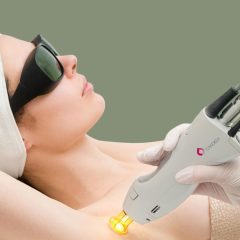
Laser hair removal London treatment works by sending concentrated light into the hair follicle. This damages the follicle and slows or stops future hair growth. The catch? It only works on hairs that are actively growing, and not all hairs grow at the same time. That’s why a full course involves multiple sessions, spaced weeks apart.
Following the first session, many noticed a difference after just one treatment. The hair grew back more slowly and felt finer. By the fourth session, patches were already starting to clear completely. After finishing the course (most had eight sessions in total), most of their hair was gone.
Will I Be Completely Hairless?
This is where it gets realistic. Will you be totally hairless after laser? Probably not 100%, but you’ll be very close. Most people see about 80–90% permanent reduction in treated areas. What does remain tends to be very fine and barely visible.
For many people, areas like the underarms and legs responded incredibly well. They haven’t picked up a razor for those in months. But places like the bikini line and face, where hair is more hormone-sensitive, needed extra attention and the occasional top-up session.
Results Depend on You Too
It’s worth knowing that results can vary depending on hair type, skin tone, and hormones. Laser works best on dark hair and lighter skin, but modern devices can now treat a wider range of skin tones safely. Hormonal areas (like the chin, upper lip, or stomach) may need more ongoing maintenance, which is completely normal.
Consistency matters. Skipping sessions or tanning between treatments can affect results. You must avoid sunbeds, wear SPF daily, and follow your practitioner’s aftercare, which will make a noticeable difference.
Will I Be Hairless After Laser? Here’s the Honest Truth
So, will I be hairless after laser? Not entirely – but you’ll get very, very close. It’s not a miracle in one session, but with the right number of treatments and a bit of patience, it delivers long-term smoothness and freedom from constant upkeep. For most people, the feeling of throwing on a dress, eliminating razor spots or heading to the beach without shaving first is more than worth it.










 Back to All Treatments
 In Clinic Consultation
 Telephone Consultation