 中文服务
中文服务







 6 Clinics Across London
 600,000 Treatments
 Free Consultation
 Award Winning Treatments

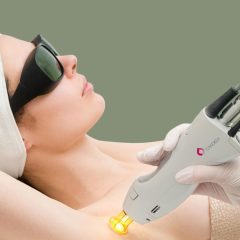
Laser hair removal works by targeting the pigment (melanin) in the hair follicles. The laser emits concentrated light energy, which is absorbed by the melanin in the hair, leading to the destruction of the hair follicle. But how does tanning affect laser hair removal results? When you have a tan or darker skin, there is an increased amount of melanin in the skin itself, which can interfere with the effectiveness and safety of the treatment in several ways.
Everyday life is stressful, from long hours in challenging jobs to busy children who demand your every minute of the day. Sometimes, it can feel like there are not enough hours in the day to complete everything.
However difficult life is, we all want to look our best. This makes us feel better and more confident in ourselves. For both men and women, having tanned skin is a must-have. However, if you also want smooth, silky and hair-free skin from laser hair removal London treatments, you may have to put your tanning regime on hold for a short while.
This is because tanning changes your natural skin pigmentation. All methods of tanning, including natural and fake, have the same effect on the skin. If laser hair removal is conducted, you may be told to stop tanning before and after treatment.
This is because tanning darkens the skin and changes pigmentation, which means that the laser beam cannot distinguish between skin and hair.
Anyone having laser hair removal done will be advised to use SPF15 or higher on the skin, even in normal sunlight.
With the procedure of laser hair removal, the laser uses light energy which passes through the skin and then it enters the hair follicles and stops them from growing and preventing permanent hair growth.
If your skin is tanned, it will absorb this light energy as it passes through the skin. This means the skin can burn easily, causing nasty side effects.
People are advised to wait eight weeks after the last treatment to tan or use tanning lotions.
This doesn’t mean if you are darker skinned you should have laser hair removal, or at least consider it. Technology is developing so that lasers that use longer wavelengths will provide effective and safe treatments for people who have tanned skin.
This “longer wavelength” will allow people who have darker skin to have laser hair removal treatments without risk of damage to skin.
Everyone is unique, and we hope that we have answered the question- how does tanning affect laser hair removal results? We also recommend having an individual consultation with your clinic to determine your skin type and whether laser hair removal would be effective for you. In any case, you will be advised to use SPF 30 or higher on the treated areas of your skin to ensure that this area of your skin is not going to suffer from burning effects or side effects.





 Back to All Treatments
 In Clinic Consultation
 Telephone Consultation