 中文服务
中文服务







 6 Clinics Across London
 600,000 Treatments
 Free Consultation
 Award Winning Treatments
If you’re struggling to find common ground with someone, thinking there is just nothing similar about you, well… chances are you both have birthmarks! Over 80 percent of babies are born with them, and sometimes, they don’t fade as you (and your skin) grow. So what are these little marks? And if they cause you concern, how can you remove them?
Baby, I Was Born This Way!
Birthmarks are often referred to as “irregularities” or “blemishes.” They are simply areas of discolouration that appear at or shortly after birth. What causes them? Well, folklore holds that the marks represent unmet wishes of the mother while carrying her baby. She had a craving for strawberries that went unfulfilled? Her child would have a pinkish birthmark. Thanks, Mum!
Modern science doesn’t have an exact answer for why people get them. They’re just there, and the vast majority of time, they are harmless. Many even fade away on their own. There are generally two types of birthmarks:
- Vascular: Red, pink, or purplish in colour, these appear as a result of abnormal blood vessels under the skin.
- Pigmented: Usually brown, these appear as a result of pigment cell clustering.
Only in relatively rare cases do birthmarks signal larger health issues. For example, a strawberry mark on the eyelid may interfere with normal vision development. Depending on the type of birthmark, however, they may be a source of concern in terms of your appearance. Port wine stains, for instance, typically appear on the face and do not fade on their own.
Birthmark Removal
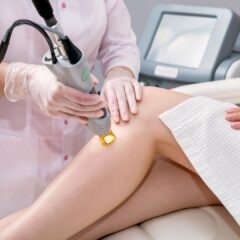
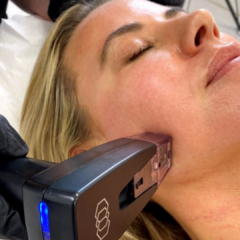
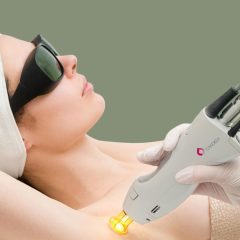
Our Laser Pigmentation Removal process works to deliver a smooth, even tone to your skin. Wavelengths of light are introduced to the affected area. It works to shatter the pigments, which are then absorbed by the body’s lymphatic system.
At Premier Laser & Skin, our experienced practitioners conduct a thorough consultation to determine if laser treatment is the best option. During the procedure, you may feel a slight tingling sensation, but most clients find this completely tolerable. We apply aloe vera after to soothe the skin.
There is virtually no downtime associated with this treatment, and you can soon begin to enjoy clear, even skin. If birthmarks are troubling you, contact us straightaway.




 Back to All Treatments
 In Clinic Consultation
 Telephone Consultation