 中文服务
中文服务







 6 Clinics Across London
 600,000 Treatments
 Free Consultation
 Award Winning Treatments
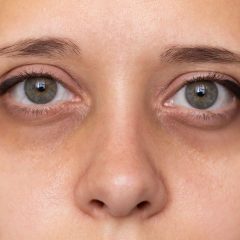
Rosacea affects 40 million people worldwide and is an inflammatory skin condition which causes bright red outbreaks, pustules and swelling on the face.
The National Rosacea Society found that 90% of people with Rosacea suffer from low self-esteem because of the condition and a further 51% have revealed they’ve missed work because of it. The cause of rosacea is from the blood vessels which dilate too easily but unfortunately there is no known cure for the condition, but thankfully Premier Laser and Skin Clinics have measures to control its signs and symptoms.
This unpleasant skin condition is three times more likely to affect women from ages 30-60 and it’s especially people from the British isles that suffer from it.
At the mildest level Erythematotelangiectatic rosacea sufferers will have sudden and spontaneous outbursts of flushing. Then there’s Papulopustular type which is a moderate level of rosacea that has acne-like pustules and persistent skin redness. And in worst cases Phymatus rosacea includes all these symptoms as well as skin thickening and enlarging the nose area.
There are certain environmental factors that trigger rosacea like cold winds, severe heat and sunburn, and sudden changes in temperature such as switching from a hot shower to a cold room. Additionally, lifestyle factors exacerbate the condition such as high levels of stress, exercise, excessive alcohol and spicy foods.
Clearly staying away from these causes will help reduce outbursts but often extra measures are needed to reduce inflammation and for that we have some beauty treatments that can help.
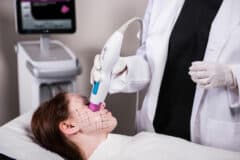
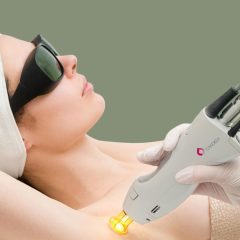
Our IPL Photorejuvenation (Intensive Pulse Light) treatment is highly effective at reducing the tiny blood vessels and acne-like pimples on damaged skin. The treatment starts from £150 a session and only takes 30 minutes. Most clients see a reduction after the first treatment and clearance after a set of five sessions.
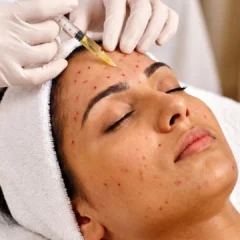
Another treatment is our Vitamin C Peel which is very effective for soothing rosacea prone skin. The multi vitamin enriched peel penetrates deep into the cellular levels of the skin and encourages the healing of inflammation by soothing and hydrating the skin. The Vitamin C Peel starts from £90 a session and instant improvements can be seen.
For more information on the IPL Photorejuvenation or Vitamin C Peel and to book a consultation click HERE or call +44 (203) 811-4985


 Back to All Treatments
 In Clinic Consultation
 Telephone Consultation