

What are Milia - And What Can You Do About Them? - London Premier Laser & Skin Clinic Book Free Consultation
Location Icon 6 Clinics Across London Users Icon 600,000 Treatments Phone Icon Free Consultation Awards Icon Award Winning Treatments

What are Milia – And What Can You Do About Them?

By Mary Basiadima, 12 March 2018

Woman smiling

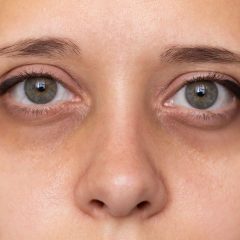
You have small raised white bumps on your face, around your eyelids, forehead and cheeks. They’re hard and have an obvious whitehead, so you might try to pop them like you would a pimple. But they just won’t go away. What are these little bumps (and bothers), and what can you do about them?

They’re called milia. Unlike a pimple, these are closed comedones. That is, the follicle is completely blocked, and there is a pronounced whitehead. Dead skin cells are trapped under the skin, and these little white bothers pop up.

If you want to get technical, milia are papules, as opposed to pustules, or pimples. And unlike pimples, they are neither inflamed nor red. They are not painful, itchy or harmful. What they are, though, is persistent. They just don’t go away! They may linger there for weeks or months.

Milia can co-occur with typical acne and blackheads or on their own. They can come out of nowhere or be triggered by skin injuries such as sunburns, sun damage, burns and blistering rashes.

What Can You Do?

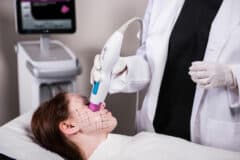
Exfoliating regularly and avoiding heavy, cloying moisturiser can help you avoid milia. But what do you do if they’ve made an unwelcome appearance? You may be surprised. Advanced electrolysis. Our clinics are highly experienced in advanced electrolysis techniques that will help you achieve clear skin.

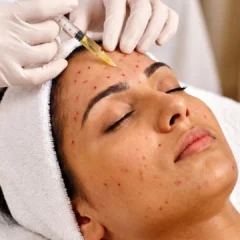
While typically associated with hair removal, advanced electrolysis can treat mila, as well as thread and red veins, spider naevus, skin tags, warts, blood spots, and age spots. A tiny needle (about as thin as an eyelash) is inserted into the affected area and a targeted electric current is applied. This releases the trapped bacteria, allowing your skin to heal.

Milia can be a source of embarrassment and frustration. Contact our clinic for expert assistance, so you can look and feel your best.
Popular Categories

Skin Treatments

Special Offers

DR Skincare

Related Articles

Laser Hair Removal in London: The Solution for Shaving Less and Fewer Ingrown Hairs

Laser Hair Removal in London: The Solution for Shaving Less and Fewer Ingrown Hairs

Laser Hair Removal in London: The Smooth Skin Solution for Less Shaving and Fewer Ingrown Hairs If you are tired of shaving, waxing, ingrown hairs or last-minute hair removal before holidays and events, laser hair removal can offer a longer-term solution for smoother, lower-maintenance skin. At Premier Laser & Skin Clinic, laser hair removal is…

Emsculpt Neo + Exilis in London: The Magic of Non-Surgical Body Contouring

Emsculpt Neo + Exilis in London: The Magic of Non-Surgical Body Contouring

When patients think about body contouring, they often focus on just one concern: reducing stubborn fat. However, achieving a sculpted, athletic-looking body involves much more than fat reduction alone. Muscle definition, skin firmness, and body proportions all play an important role in creating visible and natural-looking results. This is why many aesthetic experts now combine…

CoolSculpting vs CoolSculpting Elite: What’s the Difference?

CoolSculpting vs CoolSculpting Elite: What’s the Difference?

If you’re considering non-surgical fat freezing, you’ve probably come across both CoolSculpting and CoolSculpting Elite. While they use the same core science, there are some important differences that can affect your results, treatment time, and overall experience. At London Premier Laser, we offer both treatments and help clients choose the most suitable option based on…

Hyperpigmentation: Causes, Types and the Most Effective Treatments for Clearer, Even-Toned Ski

Hyperpigmentation: Causes, Types and the Most Effective Treatments for Clearer, Even-Toned Ski

Quick Answer: What Is Hyperpigmentation? Hyperpigmentation is a common skin condition that causes patches of skin to appear darker than the surrounding area. It occurs when the skin produces excess melanin, the pigment responsible for skin colour. Hyperpigmentation can appear as: Brown spots Sun spots Age spots Melasma Acne marks Dark patches after skin injury…

Template: single.php
0