 中文服务
中文服务







 6 Clinics Across London
 600,000 Treatments
 Free Consultation
 Award Winning Treatments
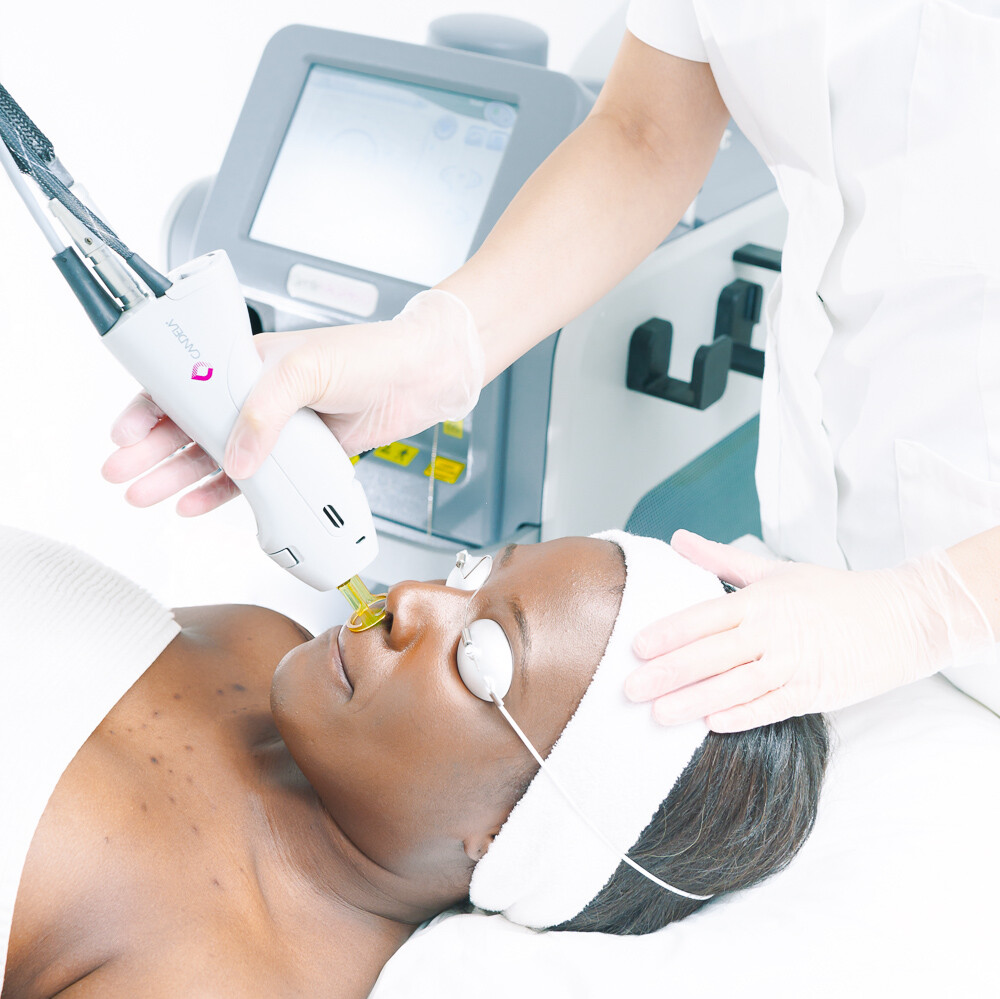
Introduction to Laser Hair Removal
When it comes to achieving hair-free skin, many people turn to laser hair removal as a potential solution. However, a common question arises: Is laser hair removal a solution? Let’s delve into the aspects of this cosmetic procedure to better understand its long-term effectiveness.
The Science Behind the Procedure
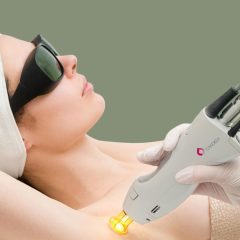
Laser hair removal involves utilising beams (lasers) that target and damage hair follicles. The pigmentation in these follicles absorbs the light, leading to hair growth. It has gained popularity as a method of options such as shaving, waxing or epilating.
Permanence of Laser Hair Removal
The answer is both yes and no. While laser hair removal London treatments significantly reduce hair growth to the extent that you may no longer need shaving it doesn’t guarantee permanent elimination of all hair. Some regrowth may occur over time; however, this new growth tends to be finer and lighter in colour.
Factors Influencing Results
- Hair Colour and Skin Type
- Hair Growth Cycle
- Hormonal Changes
Maintenance: Key to Lasting Results
Though not permanent, on its own, ongoing maintenance treatments can assist in managing any new hair growth. These follow-up sessions are usually less frequent. It may be required once a year or less often, depending on individual circumstances.
Safety and Side Effects
Laser hair removal is generally considered safe when performed by a laser certified professional. There may be some side effects, such as skin irritation or slight changes in pigmentation. These are usually mild and short-lived. It’s important to note that serious complications like scarring or blistering are extremely rare. To ensure your safety, it is recommended to choose a clinic and carefully follow the post-treatment instructions provided.
Making an Informed Decision
If you’re thinking about laser hair removal it’s advisable to seek guidance from our licensed laser technician. They have the expertise to offer advice based on factors such as your skin type, hair colour and the specific results you desire.
FAQs:
Q: How long does laser hair removal really last?
A: Laser hair removal results vary among individuals. Typically, it reduces hair growth for months to years. Permanent hair removal doesn’t guarantee any hair growth again. Factors like hair colour, skin type, and hormones affect the results. Touch-up treatments may be needed due to hormonal changes. Maintenance sessions are recommended to manage new hair growth.
Q: Does hair grow back if you stop laser hair removal?
A: Laser hair removal damages hair follicles to reduce hair growth, but it requires multiple sessions. If you stop before completing the full course, some follicles may not be treated effectively, allowing hair to regrow. Hormonal changes and hair follicle resilience can also lead to regrowth over time. However, any new hair growth may be lighter and finer than before, and maintenance sessions can help manage it.
Q:Is laser hair removal permanent after 10 sessions?
A: Laser hair removal results can vary from person to person. Although most people see a significant decrease in hair growth after 6-8 sessions, claiming it to be completely permanent is misleading. After 10 sessions, hair growth is often finer and lighter, but factors like hair colour, skin type, hormonal changes, and the treated area can influence results. Additional sessions and maintenance treatments may be required for optimal results.
Q: What happens if I stop laser hair removal after 4 sessions?
A: Stopping laser hair removal after 4 sessions may lead to partial results, regrowth, and finer hair. It’s best to complete the full recommended course of treatment to see significant reduction in hair growth. If you resume treatments in the future, the plan may need to be adjusted based on your current hair and skin condition.









 Back to All Treatments
 In Clinic Consultation
 Telephone Consultation