 中文服务
中文服务







 6 Clinics Across London
 600,000 Treatments
 Free Consultation
 Award Winning Treatments

In the pursuit of smooth and hairless skin, laser hair removal has gained popularity among individuals. However, with its growing popularity, various misconceptions and concerns have emerged. There is a lot of debate surrounding whether laser hair removal can actually stimulate hair growth. In this blog post, we’ll delve into the science behind this claim and uncover the truth behind the myth.
Understanding Laser Hair Removal:
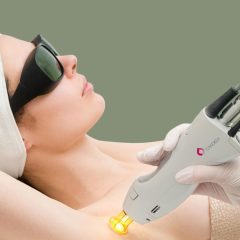
Laser hair removal is a cosmetic procedure that uses concentrated beams of light to target and destroy hair follicles. The process involves the absorption of the laser’s energy by the pigment in the hair follicles, which damages the follicles and inhibits further hair growth. For the majority of skin types and hair colours, this method is considered both effective and safe.
Dispelling the Myth:
The idea that laser hair removal can stimulate hair growth seems counterintuitive, given that the procedure is designed to eliminate unwanted hair. However, the myth likely stems from a misunderstanding of the hair growth cycle and the effects of the laser treatment.
When it comes to removing hair, laser hair removal specifically focuses on hair in the anagen phase, which is the active growth stage. Not all hair follicles are simultaneously in this phase, which is why multiple sessions are required to target hair as it transitions through the various growth phases.
The Truth Unveiled:
Contrary to the myth, laser hair removal does not stimulate hair growth. The procedure damages the hair follicles, making it difficult for new hair to grow. In fact, many individuals experience a reduction in hair density and slower regrowth after completing a series of laser hair removal sessions.
However, it’s important to note that individual responses can vary. Some people might notice finer hair regrowth after treatment, which can create the illusion of increased hair growth. This phenomenon occurs because the hair that does regrow post-treatment may be thinner and less noticeable than before.
Maintaining Realistic Expectations:
It’s essential to have realistic expectations for laser hair removal. While it can effectively reduce hair in the long term, multiple treatments are often necessary. Complete hair removal may not be possible, and maintenance sessions might be needed over time to address any regrowth that occurs due to hormonal changes or other factors.
Can Laser Hair Removal Stimulate Hair Growth?
It is important to note that laser hair removal does not stimulate hair growth. Its primary function is to target and damage hair follicles, resulting in a reduction of their ability to produce new hair. The myth likely originates from the misunderstood effects of the procedure on the hair growth cycle. While some individuals might notice finer hair regrowth, this is not the same as stimulating new hair growth. Laser hair removal remains a safe and effective method for achieving long-term hair reduction.
FAQ’s
Can laser hair removal provide permanent hair removal?
Laser hair removal significantly reduces hair growth, but complete permanent removal might not be guaranteed for everyone. Maintenance sessions could be necessary.
Is laser hair removal suitable for all skin types and hair colours?
Modern laser technology caters to various skin tones and hair colours. Consulting a professional helps determine the best approach for your specific needs.
How many laser hair removal sessions are needed for results?
Multiple sessions are typically required since hair grows in cycles. The exact number varies based on factors such as hair type, treatment area, and individual response.
Is laser hair removal a painful procedure?
Most people find laser hair removal tolerable, describing it as mildly uncomfortable. Advanced techniques, like cooling mechanisms, help minimise discomfort during the process.












 Back to All Treatments
 In Clinic Consultation
 Telephone Consultation