

Brief History Into Laser Hair Removal - London Premier Laser & Skin Clinic Book Free Consultation

☀️ Sale Extended: £100 OFF selected skin treatments over £400 with code SUMMER100. Learn more here

00  00:00:00

Location Icon 6 Clinics Across London Users Icon 600,000 Treatments Phone Icon Free Consultation Awards Icon Award Winning Treatments

Brief History Into Laser Hair Removal

By Mary Basiadima, 20 December 2011

laser hair removal history

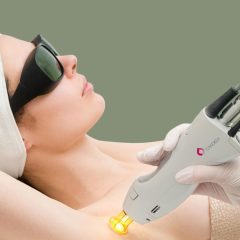
Laser hair removal has witnessed a significant surge in popularity over the years, owing to continuous technological advancements since the 1960s, when the history began. These innovations have paved the way for safe and effective laser hair removal treatments.

The brief history into Laser Hair Removal, starts in the 1960s, when, lasers emitting a continuous wave of light were created. However, they proved unsuitable for hair removal due to their uncontrollable laser beam, which posed a risk of skin damage. Consequently, this technology was never brought to market.

The 1970s introduced a new laser technology that could target individual hair follicles using a fiber-optic probe. Unfortunately, it was associated with significant pain, leading to its removal from the market by the FDA due to its ineffectiveness.

Fast forward to the 1980s, where a new generation of lasers emerged, offering improved hair-targeting capabilities. Despite these advancements, they still fell short in terms of effectiveness.

It wasn’t until the mid-1990s that the first FDA-cleared laser for public use came into existence. These lasers utilised a carbon-based lotion as a chromophore. The laser heated the carbon, releasing a shock wave that destroyed the hair follicle. By 1997, lasers capable of targeting melanin in hair were developed. These lasers were user-friendly and had minimal side effects, making them safer for widespread use. These are the lasers currently employed for hair removal today.

Today, millions of individuals undergo laser hair removal London treatments with minimal side effects and exceptional results.

Looking ahead, it’s likely that laser technology will continue to evolve, building on the progress of the past fifty years. Scientists are tirelessly researching new laser innovations. However, for now, the current generation of lasers remains the most popular and effective choice.


FAQs

How did laser hair removal start?

Laser hair removal began in the late 1960s when researchers discovered that certain types of laser light could selectively target and destroy hair follicles. However, the early technology wasn’t widely used until the 1990s, when improvements in laser safety and precision made it a viable option for effective hair reduction.

What is the history of laser treatment?

Laser treatment technology originated in the 1960s with the development of the first lasers, initially used in scientific and medical applications. In the 1980s and 1990s, advancements allowed for various cosmetic uses, including skin resurfacing and hair removal. Today, laser treatments are widely employed for medical and aesthetic purposes, from removing blemishes to improving skin tone and texture.

What is the history of hair removal?

The practice of hair removal dates back thousands of years, with evidence suggesting that ancient Egyptians and Greeks removed body hair for hygiene and aesthetic reasons. Over the centuries, methods have included everything from sharp stones and sugaring to razors and depilatory creams. In modern times, technological advancements like laser hair removal have made the process more convenient and longer-lasting.

Popular Categories

Skin Treatments

Special Offers

DR Skincare

Related Articles

Hyperpigmentation: Causes, Types and the Most Effective Treatments for Clearer, Even-Toned Ski

Hyperpigmentation: Causes, Types and the Most Effective Treatments for Clearer, Even-Toned Ski

Quick Answer: What Is Hyperpigmentation? Hyperpigmentation is a common skin condition that causes patches of skin to appear darker than the surrounding area. It occurs when the skin produces excess melanin, the pigment responsible for skin colour. Hyperpigmentation can appear as: Brown spots Sun spots Age spots Melasma Acne marks Dark patches after skin injury…

HIFU vs Ultherapy vs Sofwave vs Thermage: Which Skin Tightening Treatment Is Right for You?

HIFU vs Ultherapy vs Sofwave vs Thermage: Which Skin Tightening Treatment Is Right for You?

HIFU vs Ultherapy vs Sofwave vs Thermage: Comparison Guide Non-surgical skin tightening treatments have become increasingly popular for lifting and firming the skin without surgery or downtime. With options like HIFU, Ultherapy, Sofwave, and Thermage, it’s not always obvious which treatment is the right fit for your skin concerns or goals. While all four work…

Real Acne Treatment Results: What to Expect in 3 Months

Real Acne Treatment Results: What to Expect in 3 Months

Seeing real improvement in acne takes time — and for most people, noticeable results begin to appear within 8 to 12 weeks of consistent treatment. Whether you’re starting a clinical skincare plan or a professional treatment programme, understanding what to expect helps you stay consistent and avoid early frustration. Month 1: Skin Adjustment Phase In…

Most Googled Questions About Skin Cancer — Answered

Most Googled Questions About Skin Cancer — Answered

Skin cancer is one of the most common forms of cancer worldwide, yet many people are still unsure about what it looks like, who is at risk, and when they should seek medical advice. During Skin Cancer Awareness Month, we’re answering some of the most frequently searched questions about skin cancer to help you stay…

Template: single.php
0