 中文服务
中文服务







 6 Clinics Across London
 600,000 Treatments
 Free Consultation
 Award Winning Treatments
Unveiling the Facts
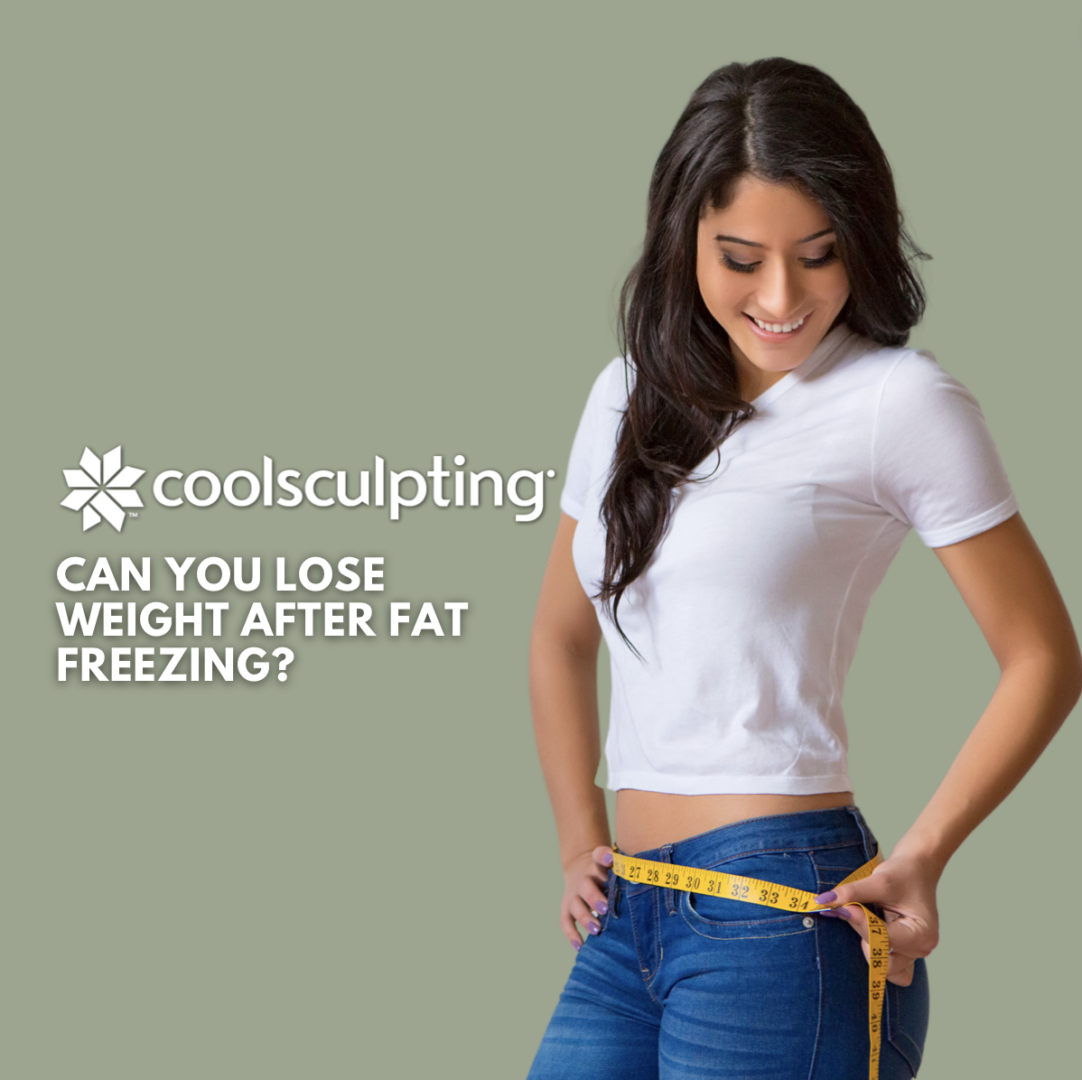
In the ever-evolving world of cosmetic treatments and weight loss solutions, fat freezing has emerged as a popular, non-invasive procedure. Known scientifically as cryolipolysis, this method has gained attention for its ability to reduce fat in targeted areas. But a common question arises: Can you lose weight after fat freezing? Let’s delve into the science and realities behind this modern technique.
Understanding Fat Freezing: A Quick Overview
Before we explore its impact on weight loss, it’s essential to understand what fat freezing is. This procedure involves the application of controlled cooling, typically around -11 to +5 degrees Celsius, to target and eliminate fat cells. The process is designed to affect only fat cells, leaving surrounding tissues unharmed.
The Science Behind It
The principle behind fat freezing is that fat cells are more susceptible to subzero temperatures than other cells. When exposed to extreme cold, these cells undergo a natural death process called apoptosis. Over time, the body naturally processes and eliminates these dead cells, resulting in a reduction of fat layers.
Misconception About Weight Loss
One of the biggest misconceptions about fat freezing is that it’s a weight loss solution. In reality, fat freezing is a fat reduction procedure. It’s most effective for removing localised pockets of fat that don’t respond well to diet and exercise, such as love handles, belly fat, and double chins.
Weight Loss vs. Fat Reduction
It’s crucial to differentiate between weight loss and fat reduction. Weight loss occurs when you burn more calories than you consume, leading to a decrease in overall body weight. Fat reduction, on the other hand, is about decreasing the number of fat cells in specific areas.
Can You Lose Weight After Fat Freezing?
The straightforward answer is: not significantly. While fat freezing reduces fat cells in targeted areas, it doesn’t have a substantial impact on your overall body weight. The procedure is designed for body contouring and shaping rather than weight loss.
What to Expect Post-Procedure
After undergoing fat freezing, you can expect a gradual reduction in the thickness of the fat layer. However, for the best results, it’s important to maintain a healthy lifestyle. Regular exercise and a balanced diet are key to enhancing and sustaining the effects of the procedure.
The Role of Lifestyle in Maximising Results
To maximise the benefits of fat freezing, a healthy lifestyle is essential. This procedure should not be viewed as an alternative to traditional weight loss methods. Instead, it should be seen as a complement to a healthy lifestyle.
Diet and Exercise Post Fat Freezing
Continuing or adopting a healthy diet and regular exercise routine post-procedure is crucial. This approach not only helps in maintaining the results but also contributes to overall health and well-being.
Setting Realistic Expectations
Fat freezing offers a way to reduce stubborn fat, but it’s not a magic solution for weight loss. It’s important for individuals considering this procedure to have realistic expectations and understand that it’s a tool for body shaping, not a substitute for weight loss. With the right lifestyle choices, fat freezing can be a valuable part of your journey towards a more sculpted and confident self.




 Back to All Treatments
 In Clinic Consultation
 Telephone Consultation