 中文服务
中文服务







 6 Clinics Across London
 600,000 Treatments
 Free Consultation
 Award Winning Treatments

In the realm of cosmetic procedures, laser hair removal and tattooing are both popular choices for those looking to enhance their appearance. However, a common question arises when these two worlds intersect: Will laser hair removal remove tattoos? This topic is not just a matter of curiosity but also of significant importance for individuals who cherish their body art and are considering laser hair removal.
The Science Behind Laser Hair Removal and Tattoos
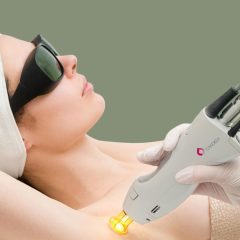
To understand the interaction between laser hair removal and tattoos, it’s essential to delve into the science behind each procedure. Laser hair removal works by targeting the melanin (pigment) in hair follicles with a specific wavelength of light. This light energy is absorbed by the pigment, which then heats up and destroys the hair follicle, inhibiting future hair growth.
Tattoos, on the other hand, are created by injecting ink into the dermis layer of the skin. This ink is foreign to the body and is too large for the immune system to remove, which is why tattoos are permanent. The ink in tattoos also absorbs light, but the process of tattooing involves a different kind of pigment and a different depth of skin layer compared to hair follicles.
The Risk to Tattoos During Laser Hair Removal
The primary concern with laser hair removal over tattooed skin is that the laser does not differentiate between the pigment in hair follicles and the ink used in tattoos. This means that the laser could potentially target and affect the tattoo ink. When the laser beam passes over a tattoo, the ink can absorb the laser energy, leading to several possible outcomes:
- Alteration of Tattoo Colour: The laser might cause fading or colour changes in the tattoo. This is particularly true for certain ink colours that are more susceptible to laser wavelengths.
- Damage to the Skin: The absorption of laser energy by the tattoo ink can lead to increased heat in the tattooed area, potentially causing burns, blisters, or changes in skin texture.
- Ineffective Hair Removal: In areas where the tattoo ink absorbs the laser energy, the effectiveness of hair removal can be compromised, as the laser is not solely targeting the hair follicles.
Best Practices for Laser Hair Removal on Tattooed Skin
Given these risks, it’s crucial for individuals with tattoos to approach laser hair removal with caution. Here are some best practices:
- Consultation with Professionals: Before undergoing laser hair removal, consult with our practitioners who have experience working with tattooed skin.
- Avoiding Tattooed Areas: Generally, it’s advisable to avoid laser hair removal directly over tattoos. Instead, the procedure can be carefully performed around the tattooed area.
- Test Patch: If laser hair removal near a tattoo is considered, a test patch in a small, inconspicuous area can help assess the skin’s reaction.
- Alternative Hair Removal Methods: For areas with tattoos, consider alternative hair removal methods such as shaving, waxing, or electrolysis, which do not involve laser light.
In conclusion, while laser hair removal is a safe and effective method for reducing unwanted hair, it poses risks when performed over tattooed skin. Understanding these risks and taking appropriate precautions can help protect your tattoos and ensure the best possible outcome for your skin.









 Back to All Treatments
 In Clinic Consultation
 Telephone Consultation