

Myths About Laser Hair Removal | London Premier Laser Book Free Consultation
Location Icon 6 Clinics Across London Users Icon 600,000 Treatments Phone Icon Free Consultation Awards Icon Award Winning Treatments

Myths about Laser Hair Removal

By Mary Basiadima, 13 February 2012

Virginia Water Clinic

Myth 1: It is painful.

Laser hair removal, however scary it sounds, is surprisingly not painful. However, with many people experiencing different sensations and having varying pain thresholds, it is difficult to distinguish between each individual and what they will experience with the treatment. Many say the first time is the worst. The majority only experience a tingling sensation.

Myth 2: It won’t work with dark skin.

There was a time that laser hair removal on dark skin, wasn’t possible, however with recent advances in science developments hair can now be removed from darker skin. Always ensure with your practitioner that they have the most up-to-date systems before procedures and make sure they are fully registered and qualified.

Myth 3: It takes too long to treat – some years!

It only really takes 4-5 treatments at most, which rids you of around 90% of all your unwanted hair and usually patients are advised to repeat their sessions every 6-8 weeks. This means you will be finished within a few months; however, this all depends on your financial situation and whether you can afford further treatments. This means that it is entirely up to you whether the treatment is extended to cover some years or not!

Myth 4: It is way too Expensive in the current climate.

Laser hair removal cost in total does increase per each visit, however this all depends on how large the area is. If you are having your upper lip done, this will cost considerably less in comparison to your back, which is a larger area and will take longer. Discuss with your consultant beforehand to distinguish between the prices; the cost adds up mainly when the sessions are repeated, however, each individual session will not be very expensive. It is a far more cost-effective way of treating unwanted hair, much better than continuously buying razors!

Myth 5: I heard it’s not safe, shall I risk it?

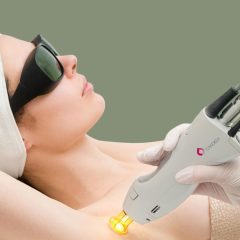
Laser hair removal treatment uses a laser that is attracted to the pigments in the hair follicles, which means the laser only targets the hair follicle and nothing else. This leaves the surrounding tissue unharmed and has been used safely on millions of clients. Many studies also back up the safe nature of laser hair removal. As long as you use a qualified clinic with proper technicians and treatments, there is nothing at all at risk.

FAQs

What is the downside of laser hair removal?

Laser hair removal is a safe and effective treatment when performed by a qualified practitioner, but there are a few downsides to be aware of. It requires commitment — several sessions are needed to achieve lasting results, as the laser only targets hairs during their active growth phase. Mild side effects such as redness, temporary sensitivity, or slight swelling are common but short-lived. Rarely, pigment changes can occur if aftercare isn’t followed or if the treatment is done too soon after sun exposure. Overall, when carried out professionally, it’s one of the most reliable long-term hair reduction methods available.

Does anyone regret getting laser hair removal?

Most people are very happy with their results and wish they’d started sooner, but a small number may feel disappointed if they had unrealistic expectations. Regret can occur when people expect complete, permanent removal rather than long-term reduction. Others may have chosen a low-quality clinic or an unsuitable laser for their skin type, leading to limited results or minor irritation. Choosing an experienced practitioner who uses medical-grade equipment and provides honest, clear advice before starting helps ensure you’re fully satisfied with your outcome.

What I wish I knew before laser hair removal?

Many clients say they wish they had known how important consistency is. Laser hair removal works best when sessions are spaced correctly, usually every four to six weeks, depending on the area. It’s also worth knowing that it takes time — visible results build gradually over several treatments. Avoiding tanning and sticking to your aftercare plan helps protect the skin and improve effectiveness. Above all, finding a reputable clinic with experienced practitioners makes a big difference in achieving safe, long-lasting results.

Popular Categories

Skin Treatments

Special Offers

DR Skincare

Related Articles

Most Googled Questions About Skin Cancer — Answered

Most Googled Questions About Skin Cancer — Answered

Skin cancer is one of the most common forms of cancer worldwide, yet many people are still unsure about what it looks like, who is at risk, and when they should seek medical advice. During Skin Cancer Awareness Month, we’re answering some of the most frequently searched questions about skin cancer to help you stay…

Post-Pregnancy & Menopause Belly Fat: Why It’s Hard to Lose and What Actually Works

Post-Pregnancy & Menopause Belly Fat: Why It’s Hard to Lose and What Actually Works

For many women, there comes a point where diet and exercise suddenly stop delivering the results they used to. You might be eating well, staying active, doing everything “right” — yet stubborn belly fat simply refuses to shift. This is especially common after pregnancy and during menopause. And it can be frustrating, not just physically,…

What is the best anti-aging treatments for 30s, 40s and 50s

What is the best anti-aging treatments for 30s, 40s and 50s

Ageing is a natural process, but how we delay and optimise skin ageing can make a significant difference to how we look and feel over time. At Premier Laser & Skin Clinics, we believe anti-ageing isn’t about changing your face, it’s about maintaining healthy, radiant, confident skin at every stage of life using the latest…

Best Skin Treatments to Prevent Pigmentation and Get Summer-Ready

Best Skin Treatments to Prevent Pigmentation and Get Summer-Ready

As summer approaches, glowing, even-toned skin becomes a top priority. But with increased sun exposure comes a higher risk of pigmentation, dark spots, and uneven skin tone. The good news? With the right treatments and preventative care, you can keep your skin radiant and protected all season long. Here’s your expert guide to the best…

Template: single.php
0