 中文服务
中文服务







 6 Clinics Across London
 600,000 Treatments
 Free Consultation
 Award Winning Treatments

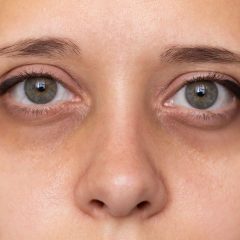
You have small raised white bumps on your face, around your eyelids, forehead and cheeks. They’re hard and have an obvious whitehead, so you might try to pop them like you would a pimple. But they just won’t go away. What are these little bumps (and bothers), and what can you do about them?
They’re called milia. Unlike a pimple, these are closed comedones. That is, the follicle is completely blocked, and there is a pronounced whitehead. Dead skin cells are trapped under the skin, and these little white bothers pop up.
If you want to get technical, milia are papules, as opposed to pustules, or pimples. And unlike pimples, they are neither inflamed nor red. They are not painful, itchy or harmful. What they are, though, is persistent. They just don’t go away! They may linger there for weeks or months.
Milia can co-occur with typical acne and blackheads or on their own. They can come out of nowhere or be triggered by skin injuries such as sunburns, sun damage, burns and blistering rashes.
What Can You Do?
Exfoliating regularly and avoiding heavy, cloying moisturiser can help you avoid milia. But what do you do if they’ve made an unwelcome appearance? You may be surprised. Advanced electrolysis. Our clinics are highly experienced in advanced electrolysis techniques that will help you achieve clear skin.
While typically associated with hair removal, advanced electrolysis can treat mila, as well as thread and red veins, spider naevus, skin tags, warts, blood spots, and age spots. A tiny needle (about as thin as an eyelash) is inserted into the affected area and a targeted electric current is applied. This releases the trapped bacteria, allowing your skin to heal.
Milia can be a source of embarrassment and frustration. Contact our clinic for expert assistance, so you can look and feel your best.






 Back to All Treatments
 In Clinic Consultation
 Telephone Consultation